Introduction
Martin Luther King Jr. remains a pivotal figure in the history of civil rights in the United States. His dedication to nonviolent activism and powerful oratory played significant roles in the quest for racial equality. King’s influence continues to reverberate through contemporary discussions on social justice, making it imperative to understand his contributions and their ongoing relevance today.
Life and Mission
Born on January 15, 1929, in Atlanta, Georgia, King became the son of a prominent pastor, which helped shape his values of faith and community service. He rose to prominence during the Montgomery Bus Boycott of 1955, wherein he led the campaign against racial segregation on public transportation. King’s approach was deeply inspired by Mahatma Gandhi’s philosophy of nonviolence, which he adapted to the American civil rights movement.
Key Events and Achievements
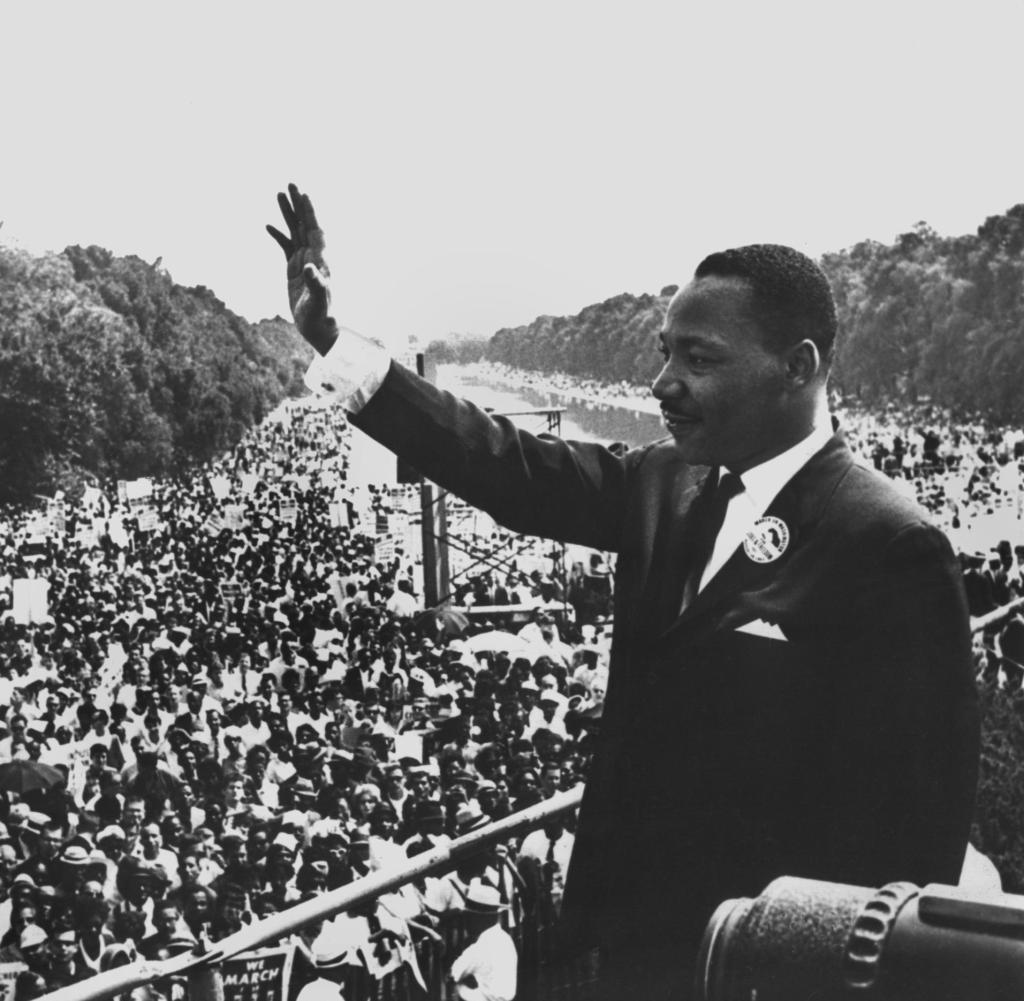
Throughout the 1960s, King became the face of the civil rights movement, leading numerous campaigns and protests. His famous ‘I Have a Dream’ speech during the 1963 March on Washington for Jobs and Freedom is celebrated as one of the most significant moments in American history. In 1964, he was awarded the Nobel Peace Prize for his efforts to combat racial inequality through nonviolent resistance. King’s impact extended beyond civil rights; he also spoke out against poverty and the Vietnam War, advocating for social justice on multiple fronts.
Continuing Relevance
King’s legacy is very much alive today, as social movements across the globe draw inspiration from his writings and practices. The Black Lives Matter movement and other groups advocating for racial justice echo King’s principles, shining a spotlight on his commitment to equality and human rights. Efforts to tackle systemic racism, promote equality in education and healthcare, and ensure fair treatment for all citizens continue to resonate in public discourse, showcasing King’s vision for an equitable society.
Conclusion
The significance of Martin Luther King Jr.’s work is immeasurable, and his legacy serves as a guide for current and future generations seeking justice. As society grapples with ongoing issues of racial and social inequality, remembering King’s ideals and striving to enact them remains essential. Looking ahead, King’s message of hope, love, and nonviolent resistance will continue to inspire individuals and movements dedicated to making a difference in the world.