Introduction
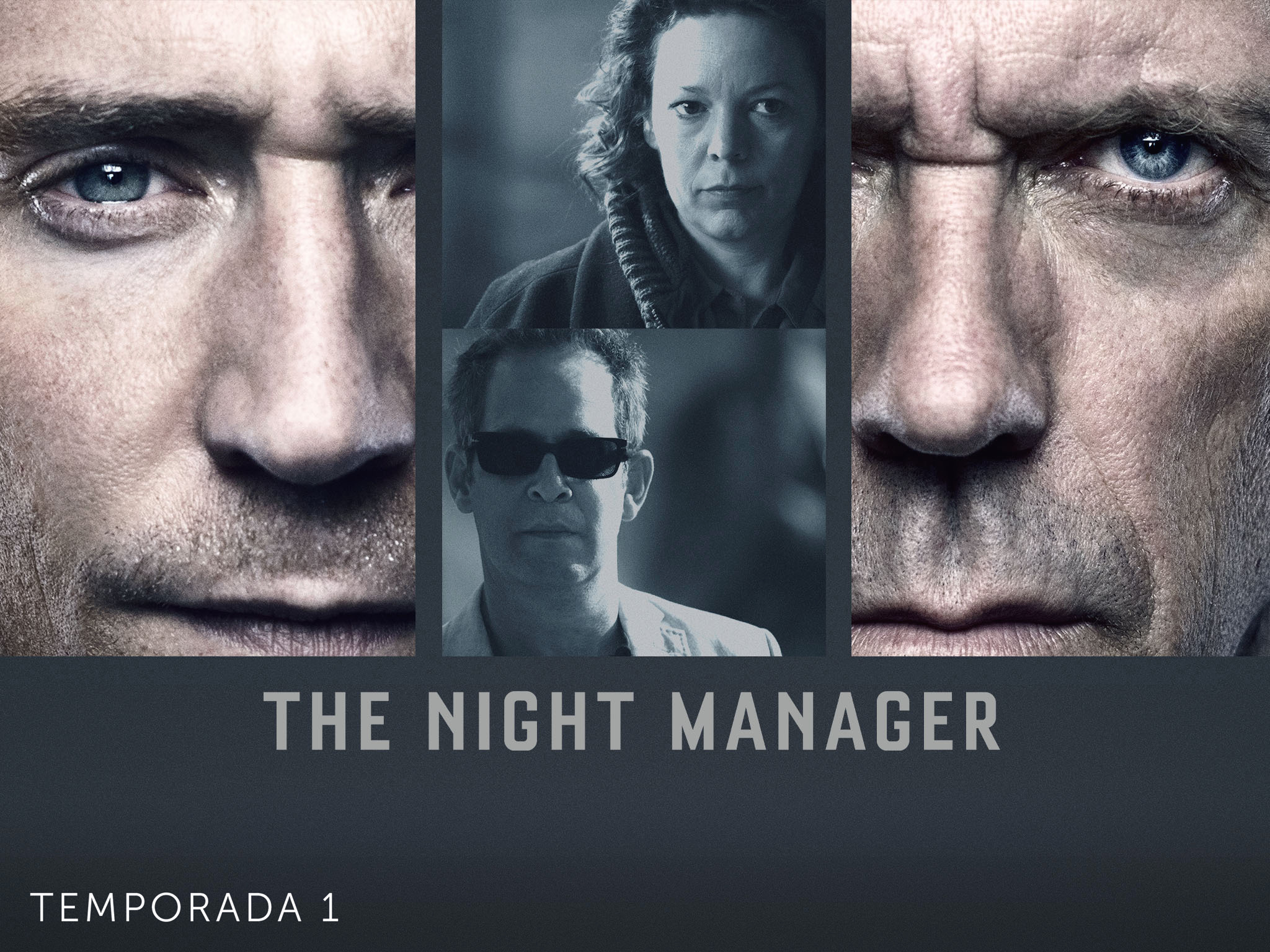
‘The Night Manager’ is a critically acclaimed television miniseries that has gained significant attention since its release in 2016. Based on the 1993 novel by John le Carré, the series is notable for its intricate plot, stunning cinematography, and impressive performances. As audiences seek quality storytelling during a time when streaming services dominate the entertainment landscape, ‘The Night Manager’ stands out for its portrayal of espionage and moral ambiguity, making it a relevant topic for contemporary viewers.
Overview of the Series
Created by David Farr and produced by the BBC and AMC, ‘The Night Manager’ follows the story of Jonathan Pine, played by Tom Hiddleston, who is a night manager at a luxury hotel in Cairo. Pine becomes embroiled in the dangerous world of international arms dealing when he comes into contact with an enigmatic businessman, Richard Roper, portrayed by Hugh Laurie. Roper is a well-connected arms dealer, and Pine is recruited by an intelligence operative to infiltrate his inner circle.
The series spans six episodes, each delving deeper into themes of loyalty, betrayal, and the complexities of the espionage world. The tight pacing, coupled with high-stakes drama, keeps viewers on the edge of their seats. Additionally, the show’s production quality, featuring locations from Cairo to London and Switzerland, has also been a point of acclaim.
Critical Reception
‘The Night Manager’ has received numerous accolades, including Golden Globe Awards for Best Actor in a Miniseries (Tom Hiddleston) and Best Miniseries. Critics have praised the script’s sharp dialogue and the chemistry between the lead actors. The portrayal of real-world issues, such as the arms trade and international relations, has resonated with viewers, adding layers of depth to the narrative.
Significance and Future Prospects
The success of ‘The Night Manager’ has led to discussions of a potential sequel or further adaptations of John le Carré’s work. In an era where spy dramas are increasingly popular, the series has redefined the genre by blending traditional espionage techniques with modern storytelling methods. Its influence can already be seen in similar shows that follow suit in narrative complexity and character development.
Conclusion
‘The Night Manager’ is not just a captivating watch; it serves as a reflection of moral dilemmas faced in the high-stakes world of espionage. As viewers continue to demand quality programming, the legacy of this series will likely inspire future adaptations and engage new audiences in thrilling storytelling. For those who appreciate intricate narratives combined with exceptional performances, ‘The Night Manager’ remains a must-watch series that leaves a lasting impression.