Introduction
Ed Miliband, the former leader of the Labour Party, remains a significant figure in UK politics. His journey, characterised by both triumphs and challenges, reflects the evolving political landscape of Britain. Understanding Miliband’s legacy is crucial, as he continues to influence contemporary debates on issues like climate change, social equality, and economic reforms.
Early Life and Career
Born on December 24, 1969, in London, Ed Miliband was raised in a politically active family. His father, Ralph Miliband, was a renowned Marxist scholar. Miliband attended the University of Oxford, where he studied Philosophy, Politics, and Economics (PPE), before moving on to a career in politics and public service. He was elected as the MP for Doncaster North in 2005 and quickly established himself within the party.
Leadership of the Labour Party
In 2010, Miliband was elected Leader of the Labour Party following a closely contested election. His leadership came during a time of significant economic crisis, and he positioned the party to challenge the Conservative-led government. Despite facing internal disputes and criticism, Miliband championed policies such as the ‘Green Deal’ aimed at environmental sustainability and social justice initiatives.
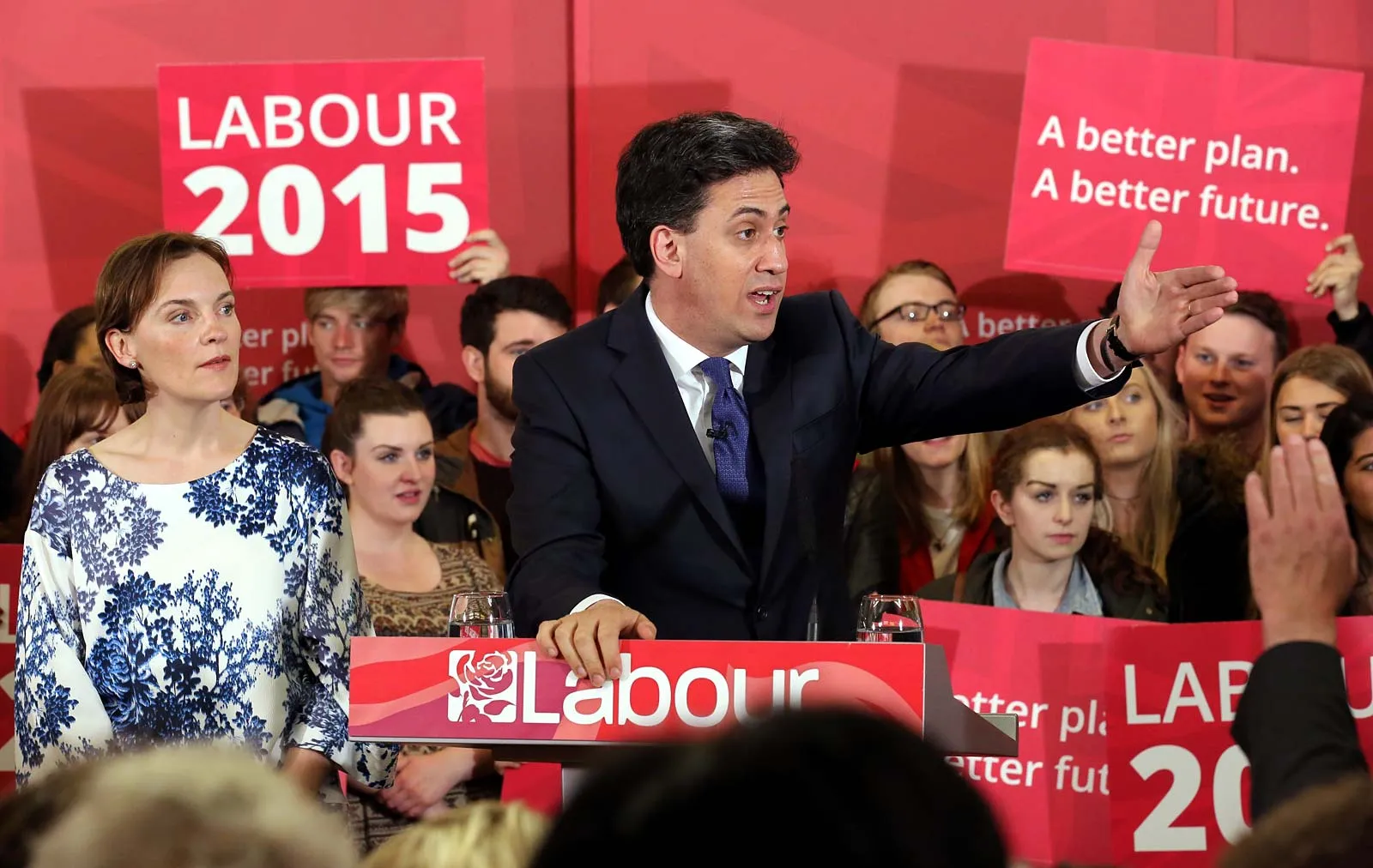
During the 2015 General Election, Miliband’s Labour Party campaigned against austerity measures but ultimately faced a substantial defeat. This loss was a pivotal moment for Miliband, leading to his resignation. His tenure remains a topic of discussion, with supporters praising his focus on social issues, while critics point to the party’s electoral failures.
Current Role and Influence
Since stepping down as leader, Ed Miliband has continued to be an active voice in UK politics, taking on a role as Shadow Secretary of State for Business and Industrial Strategy. He has been vocal about promoting green energy policies and is a prominent advocate for Labour’s position on matters such as climate change and economic inequality.
Recently, Miliband spoke at major climate conferences, reinforcing Labour’s commitment to sustainability and energy reforms. His focus on tackling the climate crisis resonates with younger voters, reflecting a shift in the party’s priorities.
Conclusion
Ed Miliband’s political journey illustrates the complexities of leadership within the Labour Party and the broader political landscape of the UK. As he continues to advocate for critical issues, his influence remains pertinent, especially as Britain grapples with significant challenges in social and environmental arenas. Looking ahead, Miliband’s actions may play a key role in shaping Labour’s future direction and its appeal to a new generation of voters.