Introduction to Ultra Processed Foods
In recent years, the term ultra processed foods has gained significant attention in public health discussions due to its impact on dietary habits and health outcomes. These foods, often characterized by high sugar, salt, and fat content, contribute to rising obesity rates and various chronic diseases. As dietary patterns shift globally, understanding ultra processed foods is crucial for making informed health choices and policy decisions.
What are Ultra Processed Foods?
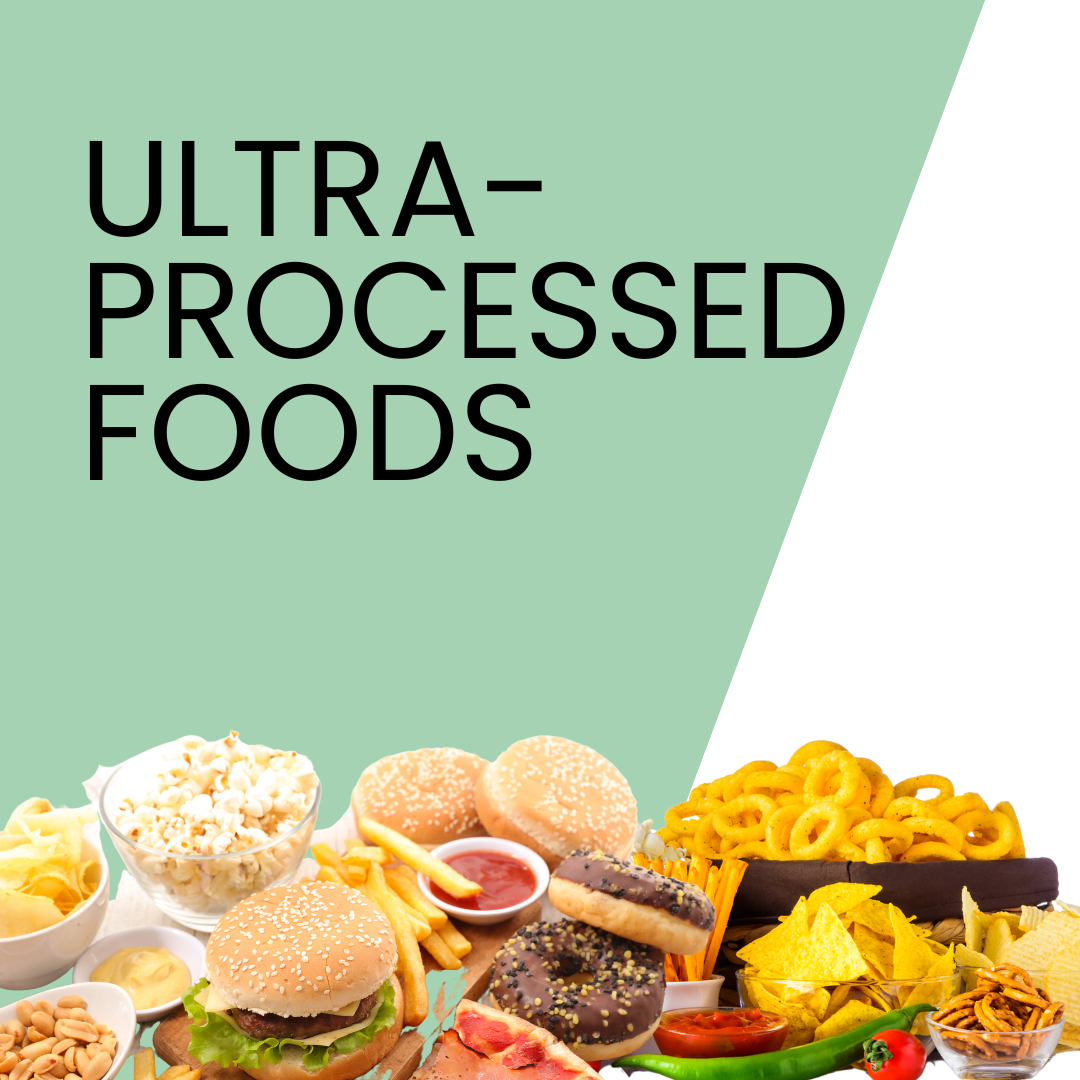
Ultra processed foods refer to products manufactured through industrial processes that contain little or no whole food ingredients. Common examples include sugary snacks, instant noodles, and ready meals. According to a study published in the British Journal of Nutrition, approximately 50% of the average diet in high-income countries consists of ultra processed foods. This shift in food consumption is alarming, as these foods often lack essential nutrients and are filled with additives.
Health Implications
Research indicates that high consumption of ultra processed foods is associated with adverse health outcomes. A recent systematic review in the journal Nutrition Reviews highlights connections between these foods and obesity, cardiovascular diseases, and diabetes. Moreover, a study by the World Health Organisation (WHO) suggests that individuals who consume a diet high in ultra processed foods are at greater risk for mental health disorders. The convenience and appeal of these products can lead to overeating and poor dietary choices, which exacerbate health issues.
Current Trends and Public Awareness
Amid growing concerns about diet-related health issues, public awareness campaigns are increasingly focusing on the dangers of ultra processed foods. Initiatives like the Traffic Light System implemented in some countries aim to inform consumers about the nutritional content of their food. Furthermore, nutritional guidelines are being revised to encourage whole food consumption and reduce the intake of ultra processed items.
Conclusion and Future Perspectives
The prevalence of ultra processed foods in our diets poses significant health challenges that need to be addressed through education, policy change, and individual accountability. As research continues to unveil the myriad effects of these foods on health, it is essential for consumers to be informed and opt for healthier alternatives. By prioritising whole foods and reducing reliance on processed snacks, we can foster better health outcomes for ourselves and future generations. The movement towards healthier eating patterns not only supports individual well-being but also has the potential to shift public health metrics positively.