Introduction
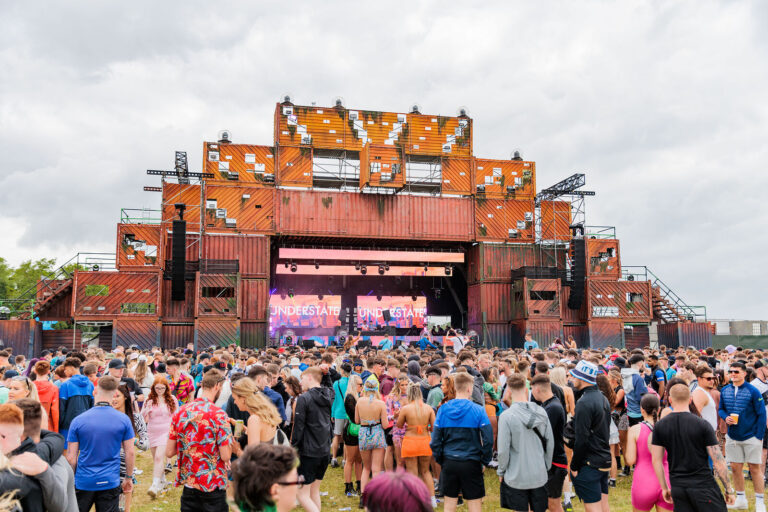
Public spaces play a crucial role in urban environments, serving as venues for social interaction, cultural expression, and community engagement. As cities around the world evolve, the design and maintenance of these spaces have become increasingly important. Public areas such as parks, squares, and pedestrian zones not only enhance the aesthetic appeal of urban settings but also serve as vital components of social life.
Current Trends in Public Space Usage
Recent developments highlight a growing recognition of the value of public spaces. According to a report from the National Endowment for the Arts, over 70% of Americans consider public spaces essential for fostering community connections. Cities like Barcelona and Melbourne have implemented innovative designs that prioritise pedestrian access and green environments, encouraging more public interaction.
Moreover, the COVID-19 pandemic has intensified the focus on public spaces as people seek safe areas to gather and recreate. Outdoor dining, for instance, has surged in popularity, prompting urban planners to rethink how public spaces can accommodate both commerce and community activities. Cities such as New York have expanded pedestrian zones to facilitate outdoor dining and social distancing, reflecting a shift in public space utility.
The Role of Technology in Public Spaces
The integration of technology is also transforming how we interact with public spaces. Innovations such as smart benches, solar-powered charging stations, and free Wi-Fi hotspots are making these environments more user-friendly and engaging. Initiatives like ‘smart cities’ are utilising data to analyse foot traffic and improve the functionality of public spaces, which can lead to more targeted maintenance and enhancements.
Conclusion
Public spaces are essential for the health and vitality of communities. As cities grapple with growing populations and the lingering effects of the pandemic, the importance of these areas cannot be overstated. By investing in well-designed public spaces, municipalities can foster community ties, enhance quality of life, and encourage sustainable social practices.
Looking ahead, the trend towards revitalising and reimagining public spaces is likely to continue. Cities must adapt to changing societal needs and preferences, ensuring that public spaces remain accessible and inclusive for all residents. This is a challenge that urban planners and local governments must meet with creativity and foresight, making public spaces truly reflective of the communities they serve.