Introduction
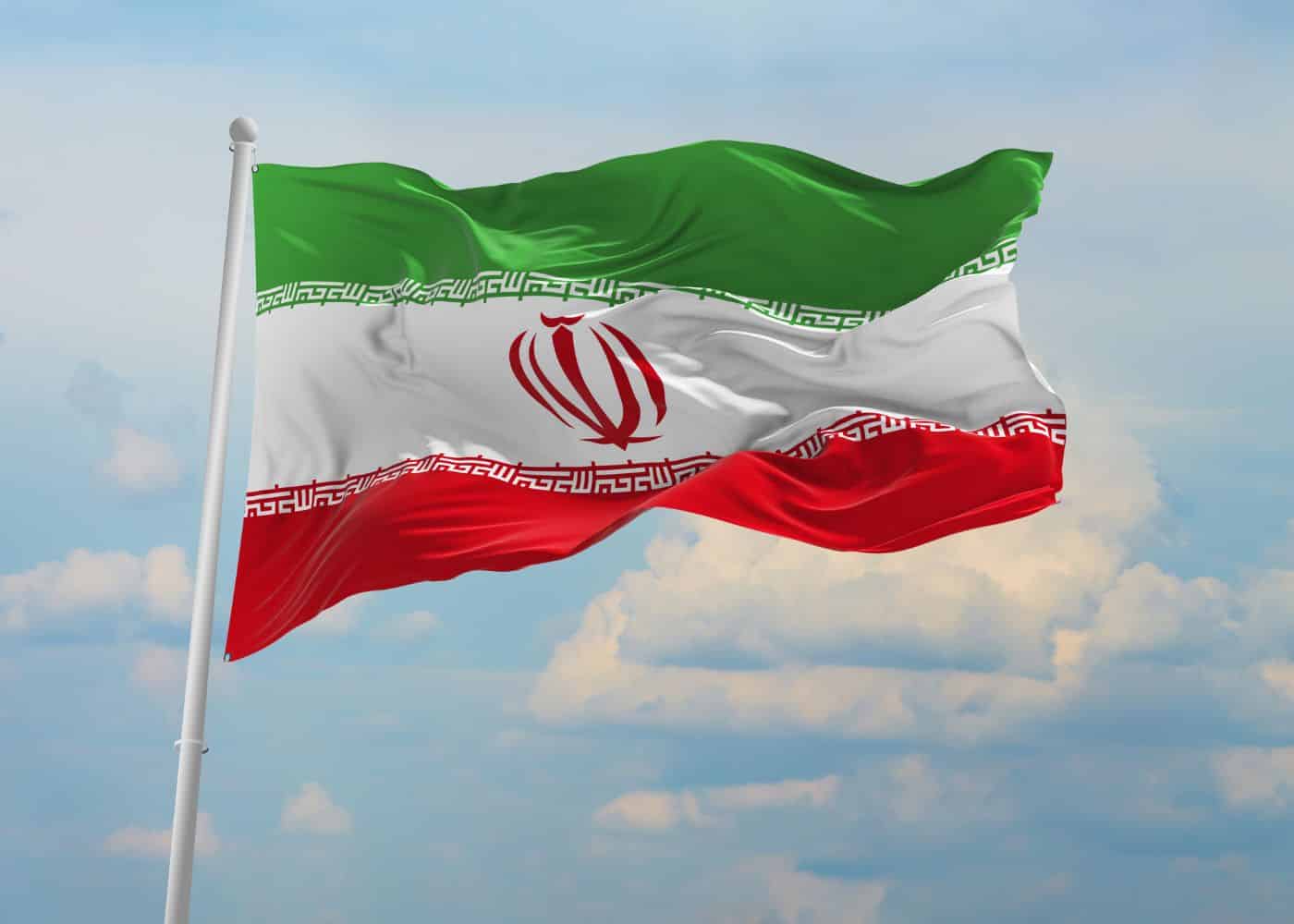
The Iran flag is a powerful symbol of the nation, representing its rich history, cultural heritage, and political beliefs. With its distinctive colors and emblem, the flag serves not only as a national identifier but also as a representation of the Iranian people’s pride and resilience. Understanding the flag’s design and the meanings behind its elements provides insights into the values and history of Iran.
Design and Symbolism
The flag of Iran features three horizontal bands: green at the top, white in the middle, and red at the bottom. Each color possesses a unique significance: green symbolizes Islam and prosperity, white represents peace, and red signifies courage and the blood of those who fought for the nation. In the centre of the white band, there is a red emblem that consists of a stylised representation of a tulip, which is a symbol of martyrdom in Iranian culture. Surrounding the emblem are 22 repeated inscriptions of the phrase “Allahu Akbar” (God is Great), which commemorates the 1979 Iranian Revolution.
Historical Context
The current design was officially adopted in 1980, following the Islamic Revolution, replacing the previous flag that was associated with the Pahlavi monarchy. The shift in flag representation reflects the significant political transformation in Iran, symbolising the Islamic Republic’s establishment. Historical versions of the flag have been seen throughout Persian history, tracing back to the ancient Achaemenid Empire, showcasing the flag’s evolution alongside the nation’s dynamic history.
Current Issues and Public Sentiment
In recent months, the Iran flag has been at the centre of international attention due to widespread protests and human rights discussions. Activists have used versions of the flag, altered to reflect their call for change and women’s rights following the death of Mahsa Amini. This has led to debates about national identity and the implications of the flag in the context of current sociopolitical issues.
Conclusion
As a fundamental representation of national identity, the Iran flag carries significant historical, cultural, and political weight. Its design elements and their interpretations offer a window into the values that shape Iranian society today. As Iran continues to navigate its complex political landscape, the flag will likely remain a potent symbol of national pride, resistance, and the pursuit of social justice for many Iranians. The evolving meaning of the flag serves as a reminder of both the nation’s long history and its contemporary struggles.