Introduction
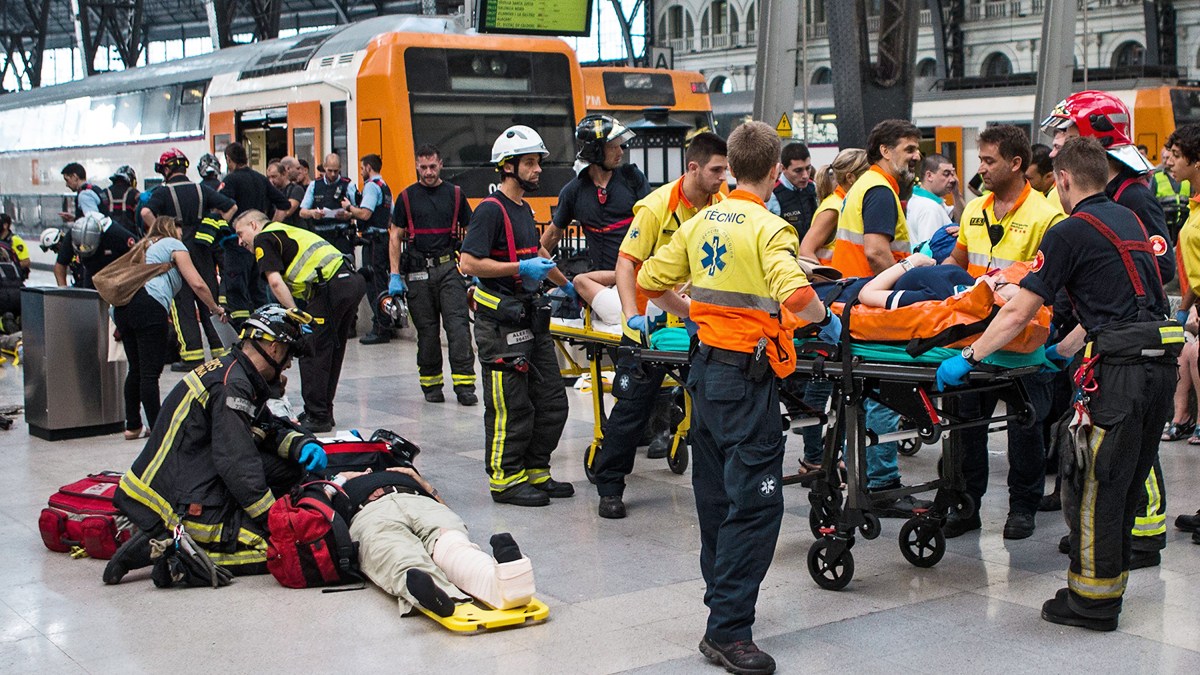
The recent train crash in Barcelona, Spain, has sent shockwaves through the community, prompting urgent discussions about railway safety and operational standards. This tragic incident has highlighted the pivotal role that effective transportation infrastructure plays in ensuring public safety and the need for thorough investigations to prevent future accidents.
Details of the Incident
On October 15, 2023, a commuter train collided with a stationary freight train in the early morning, resulting in significant damage and a tragic loss of life. According to initial reports from the emergency services, at least 10 people were confirmed dead, and over 30 others sustained injuries, some of which are critical.
The Spanish National Police and railway authorities have since launched investigations to determine the cause of the crash. Eyewitness accounts suggest that the commuter train was travelling at high speed before the collision, leading authorities to examine potential human error or mechanical failures. Emergency responders were quick to arrive at the scene, and rescue operations were underway to ensure the safety of all involved.
Official Reactions
Spanish Prime Minister Pedro Sánchez expressed his condolences to the victims’ families and underscored the need for a thorough investigation. “One life lost on our railway is one too many,” Sánchez stated during a press briefing. Transportation Minister Raquel Sánchez also announced that emergency safety audits would be conducted across all rail systems to examine their protocols and response systems.
Implications for Rail Safety
This tragic accident shines a light on the aging infrastructure of Spain’s rail system. Experts have long warned that many railway lines require significant upgrades to meet modern safety standards. Furthermore, this incident may prompt increased governmental scrutiny and public discourse regarding investment in rail infrastructure.
Conclusion
The Barcelona train crash not only marks a devastating event for those directly impacted but also poses broader questions about rail safety standards in Spain. It is imperative that the investigations yield actionable insights to enhance safety protocols and rebuild public trust in the rail system. As the situation develops, stakeholders will likely be called upon to advocate for necessary reforms to prevent such tragedies from occurring in the future.