Introduction
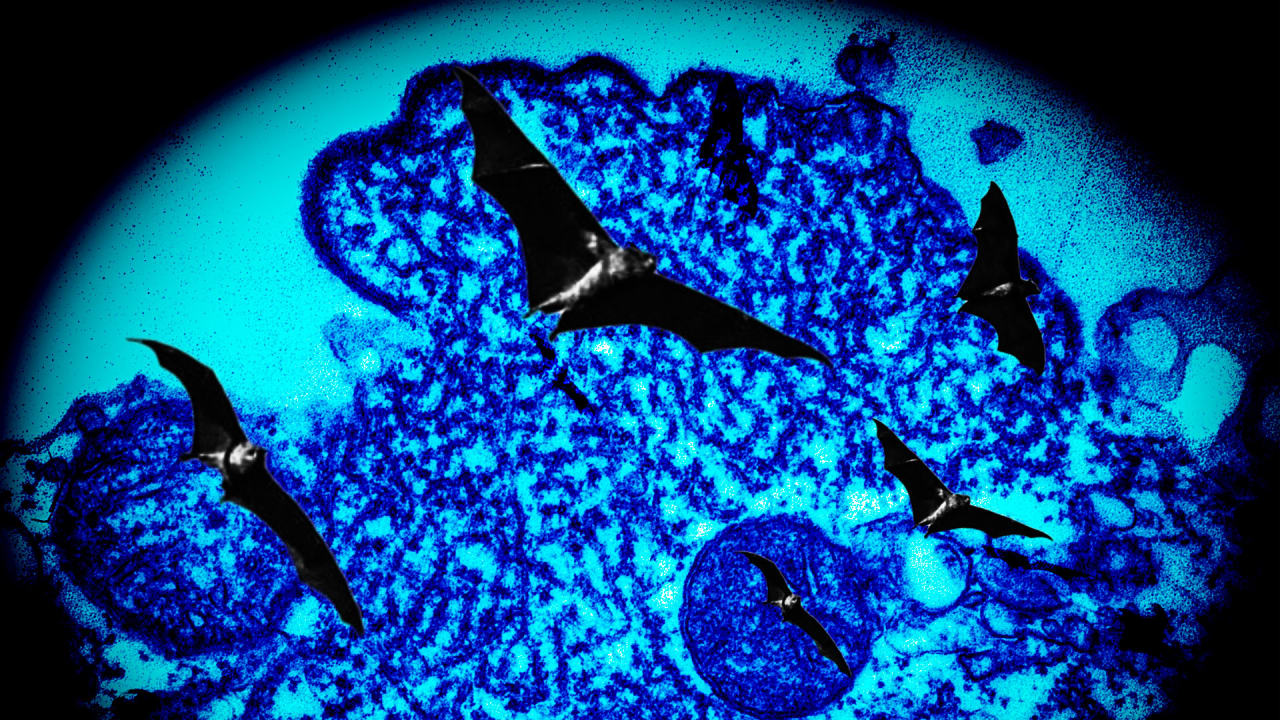
The Nipah virus is a zoonotic virus that has gained notoriety in recent years due to its high mortality rate and potential for outbreaks. Originating from bats, Nipah virus poses a significant public health risk, particularly in tropical regions. Understanding this virus, its transmission, and prevention methods is crucial for public health safety, especially as global travel increases.
Understanding Nipah Virus
Nipah virus was first identified in 1998 during an outbreak in Malaysia linked to fruit bats. Since then, outbreaks have occurred in different parts of South Asia, notably Bangladesh and India. The virus can cause severe illness in humans, including encephalitis and respiratory illness, with a mortality rate ranging from 40% to 75% depending on the outbreak.
Transmission and Symptoms
Transmission of the Nipah virus primarily occurs through direct contact with infected bats, pigs, or humans. It can also spread via contaminated food or through human-to-human contact. Symptoms usually start with fever, headache, and fatigue, progressing to neurological signs such as confusion and seizures. Early detection is critical, as the disease can escalate quickly.
Recent Outbreaks and Cases
As of 2023, the World Health Organization (WHO) has reported several Nipah virus outbreaks in Bangladesh, with new cases emerging sporadically. These outbreaks are often linked to the consumption of contaminated date palm sap or contact with infected bats. Health authorities have issued warnings and are closely monitoring the situation to prevent further spread.
Preventive Measures
Public health authorities emphasize the importance of preventive measures to mitigate the risks associated with Nipah virus. Educating communities about avoiding contact with bats and consuming only properly processed foods can help reduce transmission. Healthcare facilities are also advised to maintain strict protocols for managing suspected cases to prevent outbreaks.
Conclusion
The Nipah virus is a serious health threat that continues to pose risks, particularly in regions where outbreaks have been reported. Continued vigilance, along with community education and robust health measures, is essential to contain this virus. As international travel and trade become increasingly interconnected, awareness of such zoonotic diseases remains crucial for global public health and safety.