Introduction
Papua New Guinea (PNG), an island nation in the southwestern Pacific, is known for its rich cultural diversity and stunning natural landscapes. With over 800 languages spoken and numerous ethnic groups, it serves as a fascinating case study of human civilization. The relevance of Papua New Guinea has been further highlighted due to its strategic location, abundant natural resources, and unique biodiversity. Understanding the socio-economic and political dynamics in PNG is essential for comprehending broader regional trends in the Pacific.
Geography and Natural Resources
Papua New Guinea occupies the eastern half of the island of New Guinea, along with numerous smaller islands. Its geographical features include mountains, rainforests, and coastal regions, making it one of the most biodiverse areas on the planet. Recent reports indicate that the country’s rich natural resources, including gold, copper, and oil, play a significant role in its economy. In fact, the mining sector has been a major contributor to public revenues and foreign investments, leading to debates over the environmental impacts and sustainability of such projects.
Cultural Diversity
The cultural landscape of Papua New Guinea is incredibly diverse. Each of the over 800 distinct languages represents unique traditions, beliefs, and lifestyles. Festivals such as the Mount Hagen Show showcase the vibrant heritage of the region, attracting both local and international tourism. However, modern challenges threaten these traditions, including urbanisation, globalisation, and climate change impacts, which have raised concerns about the preservation of cultural identity.
Recent Developments
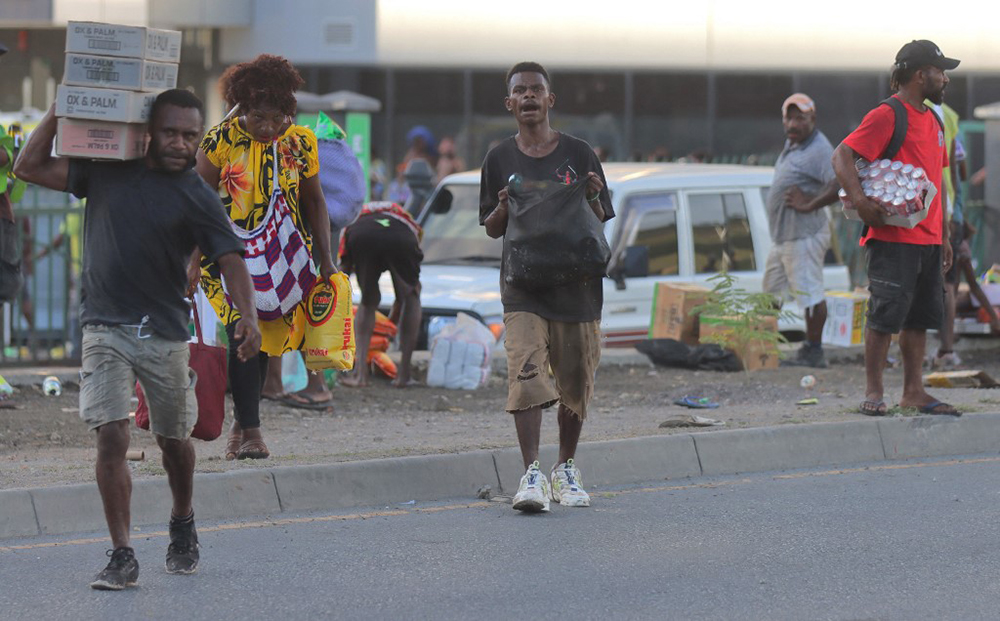
Currently, Papua New Guinea faces various socio-political challenges. The government is grappling with issues like corruption, inadequate infrastructure, and healthcare access. Recent elections have also been plagued by controversies and allegations of electoral fraud, leading to calls for electoral reforms. Furthermore, the ongoing aftermath of the COVID-19 pandemic has significantly affected the economy and public health, prompting urgent governmental action to address these challenges.
Conclusion
Understanding Papua New Guinea’s landscape, both cultural and physical, enhances our appreciation of its unique position in the Pacific. The future of PNG hinges on the balance between resource extraction and environmental sustainability, as well as the need for political stability and social cohesion. As the nation continues to navigate these complexities, it remains vital for both the local population and the international community to advocate for equitable development and cultural preservation.