Introduction
Scabies, a contagious skin condition caused by the Sarcoptes scabiei mite, has been making headlines recently in the UK due to a notable surge in cases. The importance of understanding scabies is heightened by its potential for outbreak within communities, especially in crowded living conditions and institutions such as schools and care homes. This article delves into the current situation regarding scabies in the UK, its symptoms, treatment options, and preventive measures.
Current Situation
According to the latest reports from the UK Health Security Agency (UKHSA), there has been a significant increase in scabies cases reported over the past year. Cases have risen by approximately 30% compared to the previous year, with particular spikes noted in urban areas and amongst vulnerable populations. Public health officials are concerned about the implications of this rise, emphasising the need for public awareness and prompt treatment.
Symptoms of Scabies
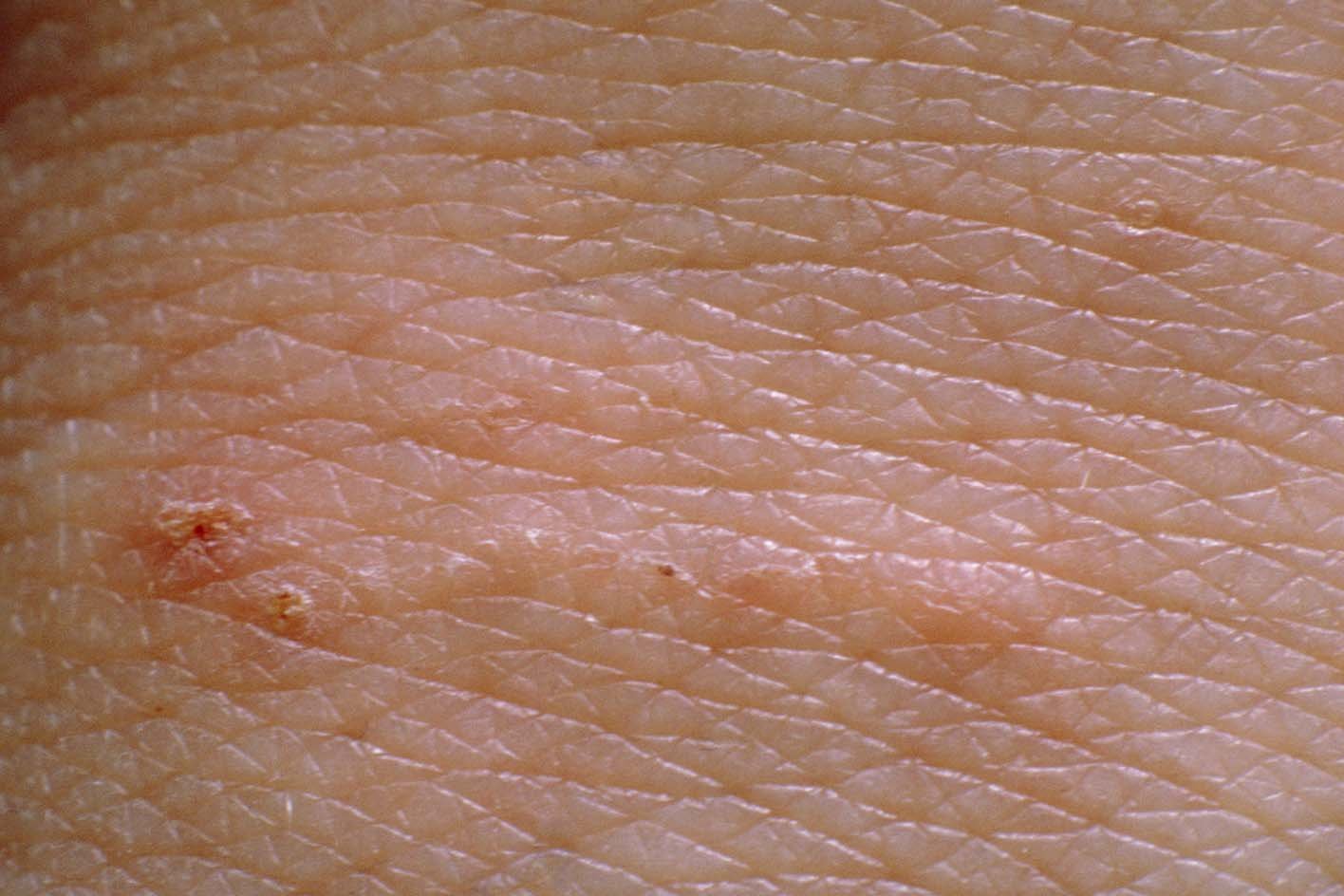
Symptoms of scabies include intense itching, particularly at night, and the presence of a pimple-like rash. The rash often appears as small red sores and can occur in various parts of the body, including between fingers, on wrists, and around the waist. Secondary bacterial infections due to scratching are also common and can complicate the condition, making it crucial for affected individuals to seek medical advice promptly.
Treatment Options
Scabies is primarily treated with prescribed topical treatments such as permethrin cream or sulfur ointment, which kill the mites. Oral medications may also be necessary in more severe cases or for widespread infestations. Public health authorities recommend that anyone diagnosed with scabies inform close contacts so they too can receive treatment to prevent re-infestation.
Preventive Measures
Prevention is key in controlling scabies outbreaks. Individuals are advised to avoid close physical contact with infested individuals and to ensure proper cleanliness in shared spaces. Washing bedding, clothing, and towels in hot water and vacuuming living areas can help reduce transmission risk. Health officials suggest that increased public education about scabies is essential, particularly in schools and crowded facilities, to help reduce stigma and promote timely treatment.
Conclusion
The recent rise in scabies cases in the UK highlights the necessity for awareness and education on this easily transmissible condition. As health authorities continue to monitor the situation, it is imperative for the public to remain vigilant, recognise symptoms early, and seek prompt treatment. By understanding scabies and taking preventive measures, communities can work together to control its spread and reduce outbreaks.