Introduction
Somalia, located in the Horn of Africa, has long been a focal point for international attention due to its complex political landscape and ongoing humanitarian challenges. The importance of Somalia in regional stability, counter-terrorism, and economic potential makes it a significant subject for global discourse. Recent events have underscored the urgency of addressing these issues, particularly amidst rising tensions and the impact of climate change on its population.
Current Political Situation
The political environment in Somalia continues to be precarious as the nation approaches its upcoming parliamentary elections, initially scheduled for late 2022 but repeatedly delayed. Following the extended presidential term of Mohamed Abdullahi Farmajo, tensions have risen among various political factions. The election process has been marred by accusations of electoral malpractice and disputes among regional leaders, highlighting the fragility of governance in the nation.
Humanitarian Crisis
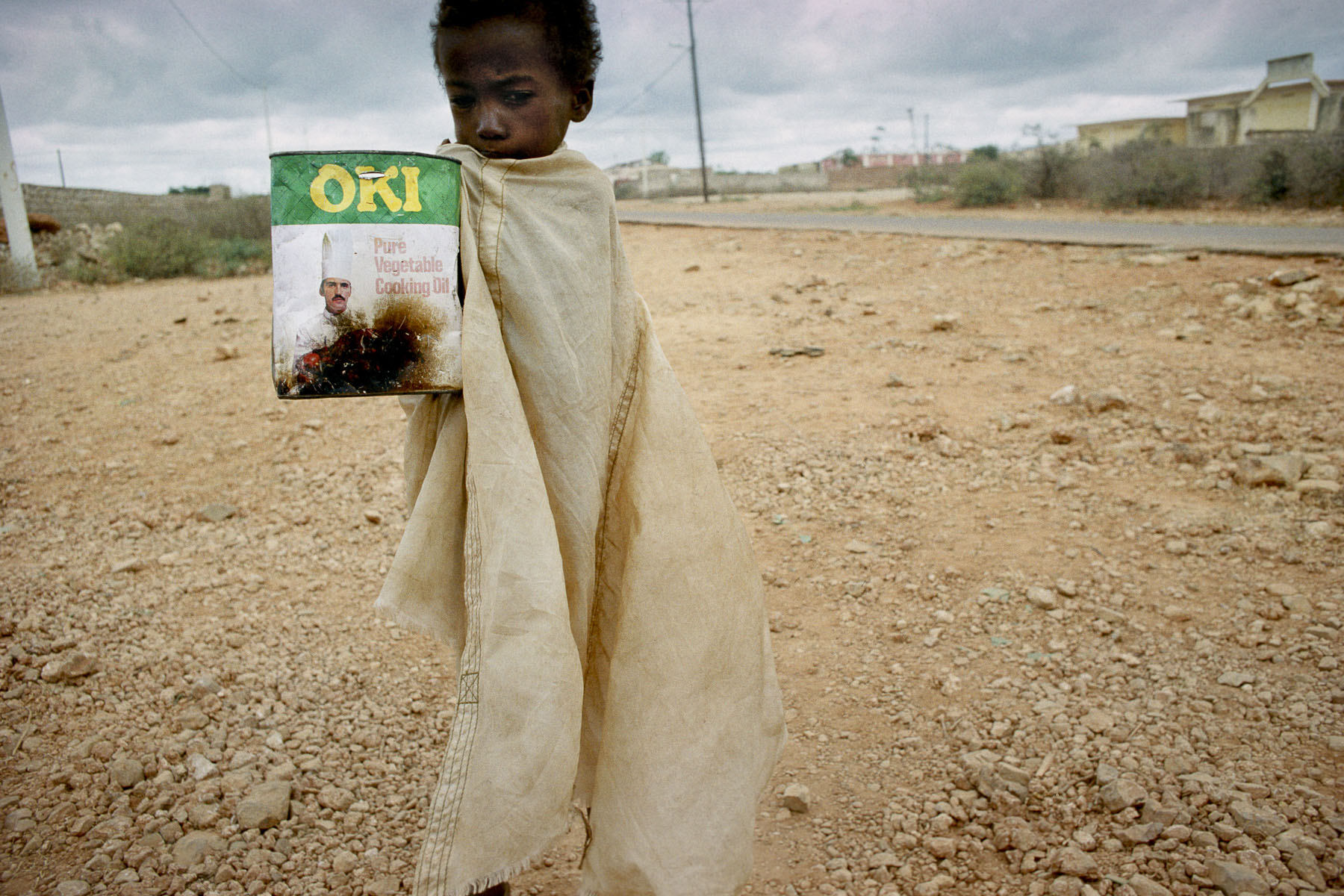
Simultaneously, Somalia faces a severe humanitarian crisis exacerbated by several factors. The ongoing conflict in the region has resulted in thousands of internally displaced people (IDPs), and widespread food insecurity has been driven by a combination of drought and economic instability. According to the United Nations, approximately 7.7 million people are in need of humanitarian assistance, with famine-like conditions affecting the southern regions of the country. International organisations have mobilised efforts to provide emergency relief, yet challenge persists in ensuring that aid reaches those most in need due to insecurity and logistical barriers.
Impact of Climate Change
Climate change remains a pressing threat to Somalia’s economy and population. With increasingly erratic weather patterns leading to prolonged droughts and occasional flooding, the agricultural sector — crucial for food security and livelihoods — has been under substantial strain. Experts warn that without urgent action to adapt agricultural practices to climate realities, the already dire situation may worsen, leading to more significant suffering and displacement.
Conclusion
The situation in Somalia is a complex interplay of political instability, humanitarian crisis, and the effects of climate change, all of which require urgent attention and action. The international community’s role in facilitating peace, supporting humanitarian efforts, and tackling climate impacts is crucial for Somalia’s path towards stability and prosperity. As we continue to monitor these developments, it becomes increasingly important for global actors to collaborate in facilitating meaningful solutions that address the critical issues facing the Somali people.