Introduction
The Greenland deal has emerged as a topic of significant interest, especially in the realms of international relations and climate action. This agreement, which focuses on the transfer of land rights and resources in Greenland, has drawn attention due to its implications for geopolitics and environmental conservation. As climate change continues to impact global ecosystems, understanding the ramifications of such deals is crucial for contemporary society.
Details of the Greenland Deal
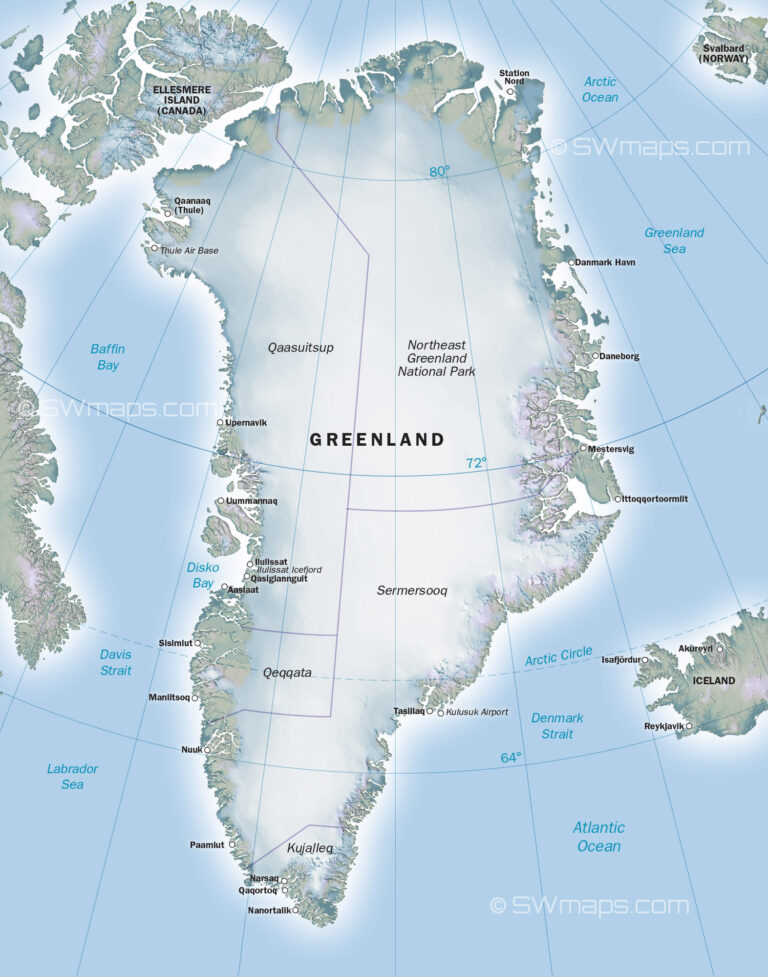
Recently, discussions surrounding the Greenland deal gained momentum with Denmark’s announcement regarding its intention to facilitate investment and development in Greenland’s vast natural resources, particularly rare earth minerals. These materials are vital for various high-tech industries, including renewable energy and electric vehicles. As countries look to secure materials for their green technology ambitions, Greenland appears to be positioned as a critical partner.
This deal not only highlights Denmark’s strategic interest in managing Greenland’s resources but also reflects the growing competition among nations seeking access to valuable commodities necessary for the green energy transition. Countries such as China, the United States, and members of the European Union are closely monitoring developments in Greenland, given the potential political and economic ramifications.
Impact on Local Communities and Environment
While the economic benefits of the Greenland deal are touted, concerns regarding its impact on local Inuit communities and the environment have been raised. Activists argue that without proper oversight and engagement with Indigenous populations, the deal may lead to exploitation and harmful environmental practices. Furthermore, Greenland’s unique ecosystem is already under threat due to climate change, making it essential that any resource extraction is conducted sustainably.
Conclusion
The Greenland deal signifies a crucial intersection of economic opportunity and environmental responsibility. As global powers look to strengthen their ties with Greenland, the stakes are high—not only for the national interests of Denmark and other countries but also for the future of Greenland’s Indigenous communities and its fragile environment. As we move forward, the success or failure of this deal could set precedents for similar agreements worldwide, highlighting the continual balance between development and conservation. For readers, staying informed about such developments is vital in understanding how geopolitical strategies shape local realities around the globe.