Introduction to the Polar Vortex
The polar vortex is a large area of low pressure and cold air surrounding the Earth’s poles, particularly in the Arctic region. As we approach the colder months, understanding the dynamics of the polar vortex becomes essential, particularly with recent forecasts suggesting a potential collapse. This phenomenon is crucial not only for meteorologists but also for everyday citizens as it indicates shifts in weather patterns that may impact severe winter climate conditions worldwide.
Recent Forecasts and Findings
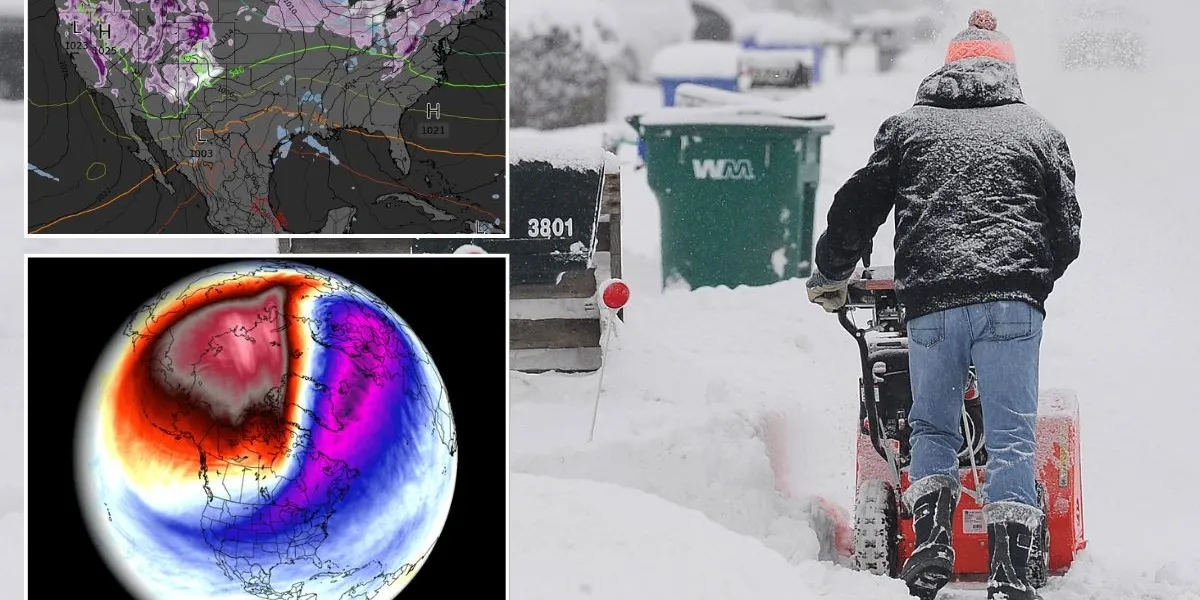
According to the latest reports from the National Oceanic and Atmospheric Administration (NOAA), the polar vortex is showing signs of instability, with forecasts indicating a possible collapse in the coming weeks. Meteorologists are closely monitoring the situation as a disruption in the polar vortex can lead to an influx of arctic air into the mid-latitudes, resulting in harsher winter weather and significant snowfall across numerous regions, particularly in the Northern Hemisphere.
Factors contributing to the current outlook include a combination of warm air intrusions into the polar region and anomalous atmospheric conditions in the stratosphere. These dynamics increase the likelihood of a weakened polar vortex, which often triggers extreme cold events, heavy blizzards, and prolonged cold spells in areas usually less affected by such conditions.
Global Weather Implications
The potential collapse of the polar vortex is likely to bring dramatic weather changes. Previous instances of polar vortex disruptions have historically coincided with severe winter storms and unseasonable cold in areas as far south as the United States and parts of Europe. For example, during the polar vortex split in early 2021, significant cold weather gripped much of the continental U.S., leading to record-breaking low temperatures and ice storms.
This year’s forecast also suggests that temperatures in northern Europe and North America could drop significantly, while the southern regions may experience warmer-than-normal conditions due to the displaced jet stream. The societal implications can be vast, affecting everything from energy consumption to transportation and agriculture.
Conclusion: What Lies Ahead
As the winter approaches, the polar vortex collapse forecast is being closely monitored. Meteorologists urge residents to prepare for unusual weather patterns, as a collapse may lead to significant disruptions in daily life and economic activities. While it remains to be seen how the situation will unfold, individuals and communities should stay informed and ready to adapt to whatever changes the season may bring.