Introduction
The Driver and Vehicle Licensing Agency (DVLA) plays a crucial role in the United Kingdom’s transportation system. Operated by the government, the DVLA is responsible for maintaining the database of drivers and vehicles, ensuring road safety and the correct management of driver’s licenses. With recent technological advances and changes in legislation, the importance of the DVLA continues to grow, impacting millions of road users across the UK.
Recent Developments
In 2023, the DVLA has made several updates aimed at improving their services and the overall driving experience. The agency has enhanced its online services, allowing drivers to renew their licenses, update personal information, and apply for vehicle registrations more efficiently. Additionally, a recent initiative known as ‘digital driving licenses’ has been introduced, enabling drivers to store their license information on mobile devices. This move has been praised for its convenience and ability to reduce paperwork.
Moreover, the DVLA is currently implementing measures to streamline the processing times for applications and enquiries. In a recent announcement, they highlighted their commitment to reducing backlog issues that have been experienced during the pandemic, where many applications were delayed. As part of this effort, they have increased staffing levels and improved their customer service protocols.
Regulatory Changes
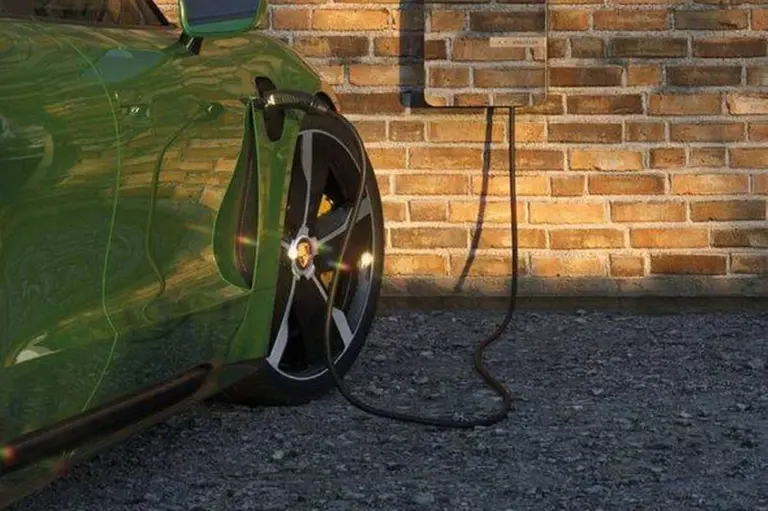
Another significant update involves regulatory changes related to electric vehicles (EVs). As the UK transitions towards greener transport, the DVLA has updated its systems to accommodate the rising popularity of EVs. This includes creating new categories under which EVs must be registered and ensuring that the necessary incentives for EV drivers, such as reduced taxes, are properly applied.
Conclusion
The DVLA’s role in the UK’s transportation framework is critical and continues to evolve. With advancements in technology and changing regulations, the agency’s efforts towards modernization reflect an ongoing commitment to road safety and accessibility. For drivers, keeping abreast of these changes is essential, not only for compliance but also to maximise the benefits offered by new policies. Looking ahead, the DVLA is poised to adapt further, ensuring that it meets the challenges posed by a rapidly changing automotive landscape, including the heightened demand for sustainable transport solutions.