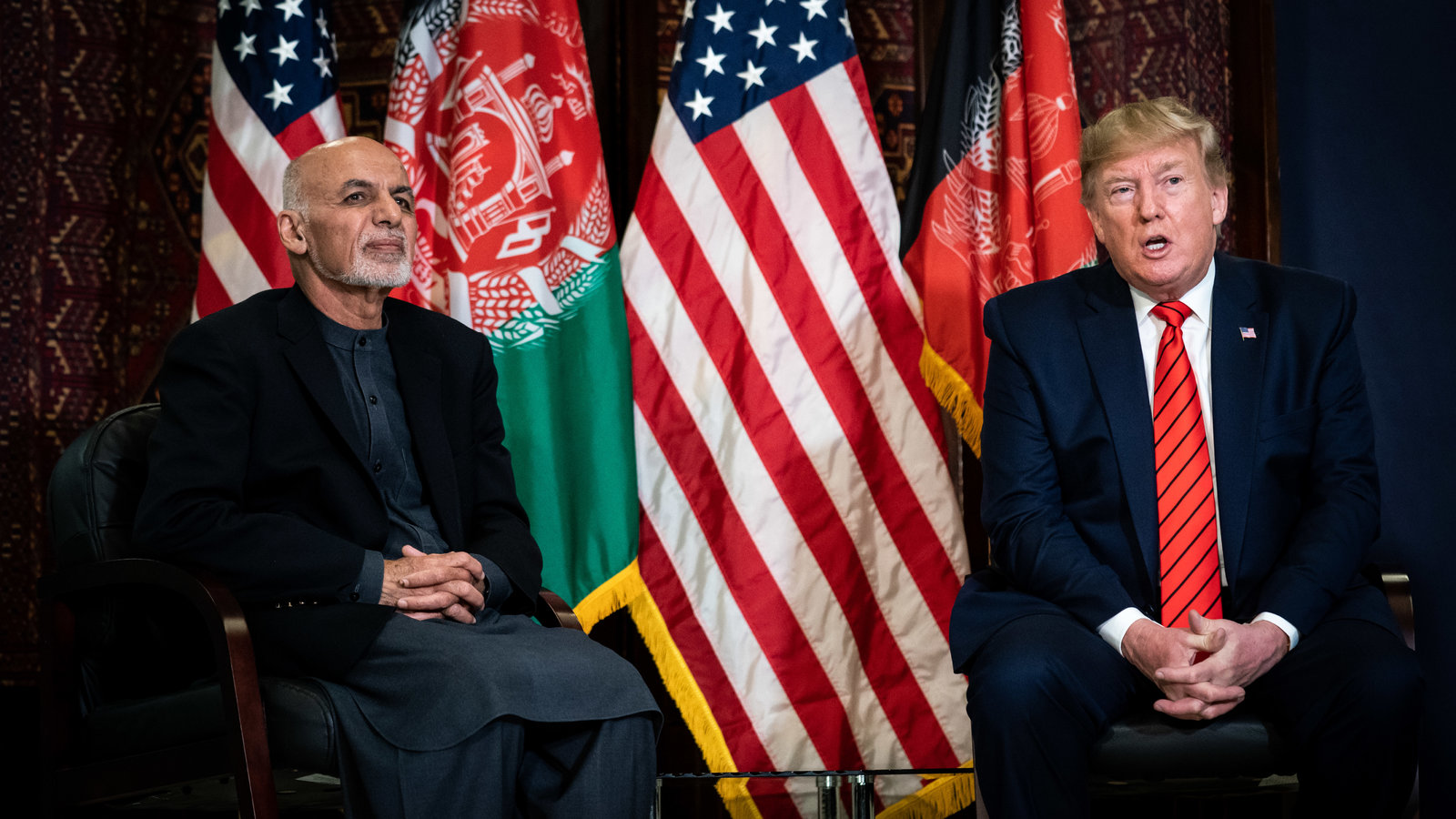
Introduction
The United States’ involvement in Afghanistan has been a significant aspect of its foreign policy since the early 2000s. Donald Trump’s presidency marked a critical turning point in this history, as his administration sought to reshape American military and diplomatic engagement in the region. Understanding Trump’s policy on Afghanistan is crucial for comprehending the ongoing challenges in U.S.-Afghan relations and broader geopolitical dynamics.
Trump’s Approach to Afghanistan
In August 2017, President Trump unveiled his administration’s strategy for Afghanistan, which focused on a significant shift from nation-building to a more aggressive military posture and negotiations with the Taliban. He emphasized the need for increased troop presence as a counter to the Taliban’s resurgence, arguing that previous strategies failed to yield lasting stability. Trump’s approach also entailed a controversial emphasis on ‘conditions-based’ troop withdrawal, which aimed to pressure the Taliban into negotiations while simultaneously maintaining military readiness.
Peace Talks and Withdrawal
In 2018, Trump’s administration initiated direct talks with the Taliban, a decision that received mixed reactions from various stakeholders. Critics expressed concern that engaging with the insurgent group could undermine the Afghan government and destabilise the country further. Despite these criticisms, Trump’s administration sought to reach a peace agreement that would pave the way for the eventual withdrawal of U.S. troops.
The February 2020 deal, known as the Doha Agreement, was a landmark moment. It stipulated the withdrawal of U.S. troops within 14 months, contingent on the Taliban’s commitment to prevent terrorist groups from using Afghan soil. This agreement fundamentally altered the U.S. presence in Afghanistan, raising questions about the future of Afghan democracy and security.
Impacts of Trump’s Policy
Trump’s policies significantly impacted Afghanistan’s political landscape and security environment. Following the U.S. troop withdrawal in August 2021, the Taliban swiftly regained control of the country, leading to the collapse of the Afghan government. This rapid change raised alarms about human rights, particularly concerning women and minorities, who had gained some freedoms during the previous two decades.
Conclusion
Trump’s approach towards Afghanistan has left a complex legacy. While his administration aimed for a swift end to prolonged military engagement, the ensuing realities highlighted deep vulnerabilities within Afghan society and governance. As the world reflects on these events, it remains crucial for foreign policy experts and practitioners to evaluate the balance between military withdrawal and the support of democratic institutions. The future of Afghanistan, therefore, continues to be a pressing concern for global stability and security.