Introduction
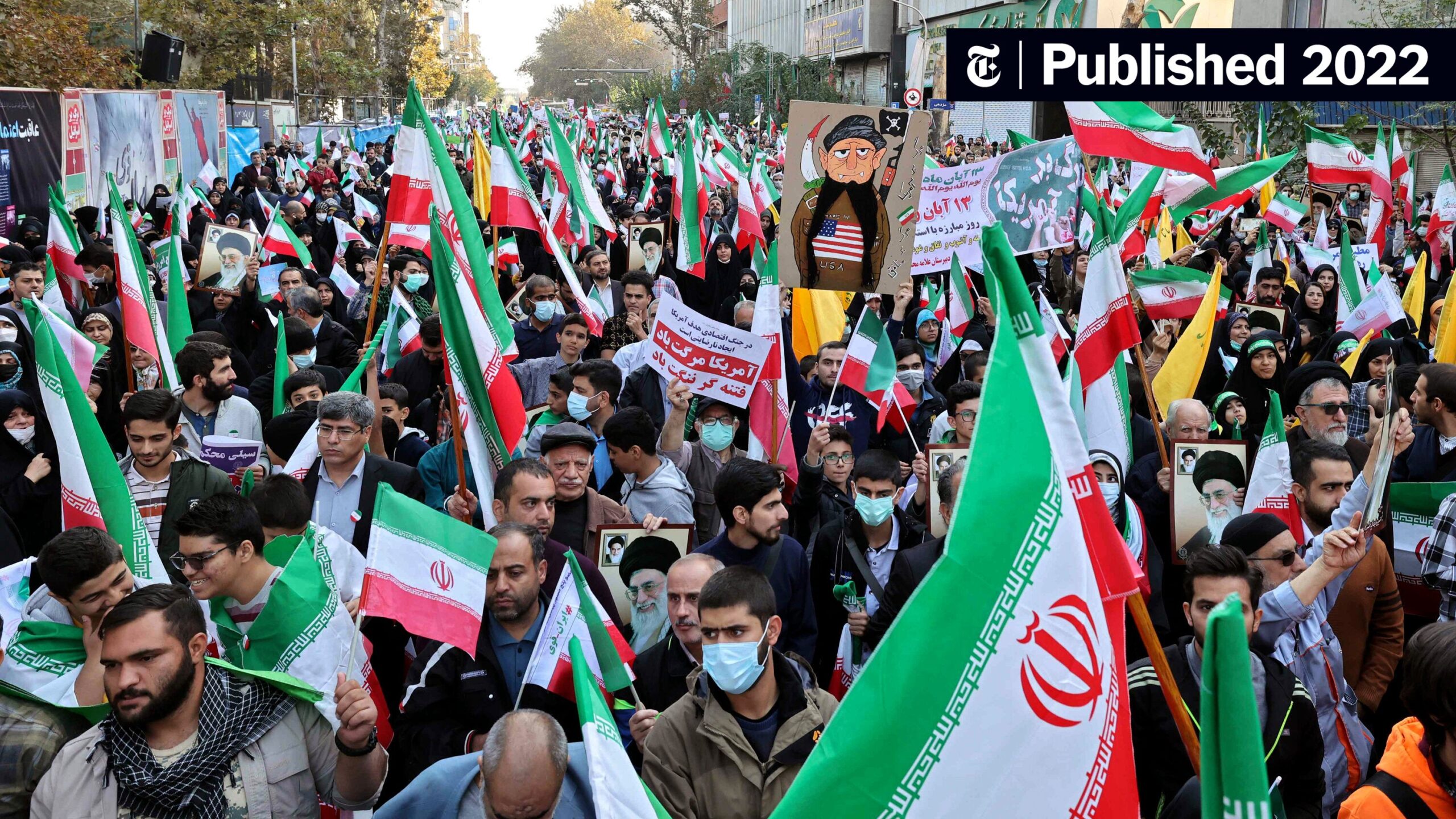
The current situation in Iran is marked by escalating tensions, both domestically and internationally. Iran’s geopolitical stance, its nuclear programme, and internal protests reflect significant challenges faced by the nation, making it crucial for global observers to stay informed about the developments unfolding in this pivotal Middle Eastern country.
Recent Protests and Political Climate
Since the tragic death of Mahsa Amini in September 2022, there has been a surge of protests across Iran, calling for women’s rights and demanding greater political freedoms. While the government has attempted to suppress these protests through crackdowns, the demonstrations have highlighted widespread dissatisfaction with the ruling authorities. As reported by various international news agencies, the regime’s response has escalated into a cycle of violence, leading to hundreds of deaths and unjust imprisonments.
Nuclear Programme and International Relations
In addition to domestic unrest, Iran’s nuclear programme remains a focal point of concern for many countries. Negotiations to revive the Joint Comprehensive Plan of Action (JCPOA), the 2015 nuclear deal, have stalled. In recent months, Iran has been advancing its nuclear capabilities, drawing criticism from Western nations. The latest reports suggest that Iran may possess enough enriched uranium to produce at least one nuclear weapon if it chooses to move in that direction, thereby raising the stakes for international negotiations and sanctions.
Economic Challenges
Economically, Iran continues to grapple with severe inflation and rising unemployment, exacerbated by ongoing sanctions and the fallout from the COVID-19 pandemic. The Iranian Rial has plummeted in value, leading to increased cost of living pressures on ordinary citizens. Many Iranians are facing food shortages and are struggling to afford basic necessities. Public discontent continues to simmer as the economic situation deteriorates.
Conclusion
The situation in Iran is complex and evolving, characterized by domestic upheaval and international scrutiny. The interplay of internal protests, nuclear negotiations, and economic difficulties suggests that the coming months will be crucial for Iran’s future direction. As global powers continue to monitor these developments closely, the outcomes will not only affect Palestine but may have significant implications for global stability and geopolitics. Understanding these dynamics is imperative for anyone looking to grasp the broader consequences of Iran’s challenges on the international stage.