Introduction
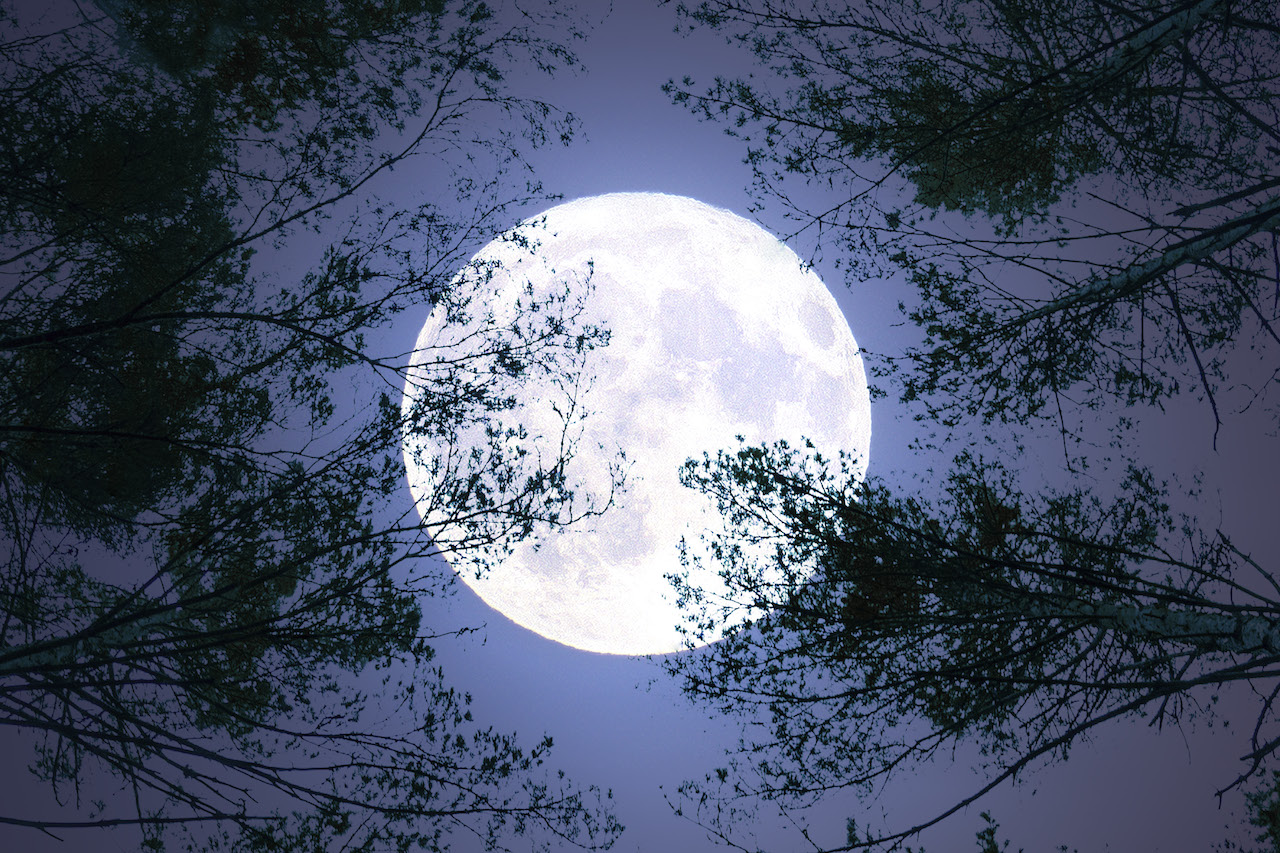
The term ‘Blue Moon’ has captivated public interest not only due to its rare astronomical significance but also due to its cultural implications. A blue moon refers to an additional full moon that occurs in a subdivision of a year, making it a relatively rare event in the lunar calendar. The notion of a blue moon has generated various interpretations and signifies various meanings across cultures, making it a topic worthy of exploration.
What is a Blue Moon?
A blue moon is traditionally defined in two ways: the second full moon in a calendar month that has two full moons, or the third full moon in a season that has four full moons. Typically, there are about 12 full moons each year, but occasionally, an additional full moon can be observed, giving rise to the phenomenon of the blue moon. The next blue moon is expected to occur on August 30, 2023, providing an opportunity for skywatchers and lunar enthusiasts to witness this extraordinary event.
The Significance of Blue Moons
From a scientific standpoint, the occurrence of a blue moon highlights the cyclical nature of our natural world, reinforcing our understanding of lunar phases and their impacts on Earth. Furthermore, blue moons hold cultural significance, represented in folklore, literature, and music. The phrase “once in a blue moon” has entered common vernacular, signifying rarity and special occasions. Notable examples include its mention in Shakespeare’s works and its frequent use in modern music, which has helped solidify its place in popular culture.
Blue Moon Observations
The recent blue moon that took place on August 30, 2023, captured global attention. Many astronomers and amateurs alike took to their locales to observe the moon’s unique beauty. Special events, educational webinars, and social media campaigns heightened public awareness, inviting communities to connect over this celestial event. Astro-photographers shared stunning images, revealing the moon against various backdrops, from city skylines to quiet countrysides.
Conclusion
Blue moons are a fascinating intersection of astronomy and culture, reminding us of the wonders of our universe while providing an opportunity for communal experiences. As they occur infrequently, they encourage us to take a moment to appreciate the natural world around us. Moreover, as the next blue moon approaches, more people are likely to engage with this event, perhaps sparking a greater interest in astronomy and environmental awareness among the general public. Indeed, the significance of a blue moon transcends its rarity, enriching human experience and fostering a collective enthusiasm for the cosmos.