Introduction
The Winter Olympics, a major international sporting event, showcases the world’s best athletes in winter sports. The 2022 Winter Olympics took place in Beijing, China, from February 4 to February 20, and featured a range of events from skiing to ice hockey. The medal table is crucial as it reflects the overall performance of competing nations and their success across various disciplines.
Medal Table Highlights
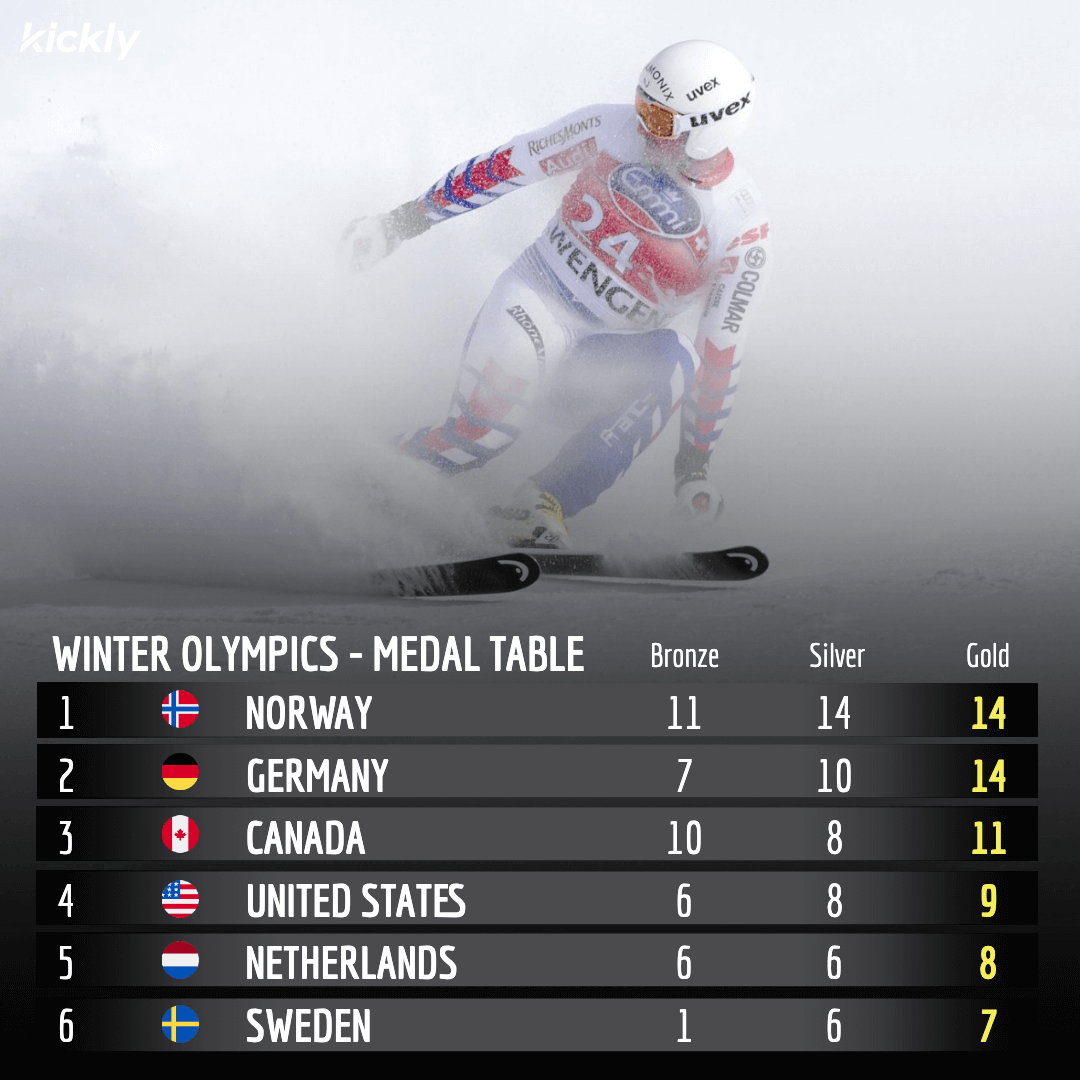
As of the conclusion of the 2022 Winter Olympics, Norway topped the medal table with an impressive tally of 37 medals, including 16 golds. This performance underscored Norway’s dominance in winter sports, particularly in cross-country skiing and biathlon, where they secured numerous podium finishes.
Germany followed closely in second place with a total of 27 medals, of which 12 were gold. Germany’s achievements were particularly notable in the sliding sports, including luge and bobsleigh, contributing significantly to their medal count.
The United States came in third with 25 medals, including 8 golds. The American team excelled in snowboarding and freestyle skiing events, showcasing a promising future in these sports. Other nations such as Canada, the Netherlands, and Austria also performed admirably, securing places within the top ten of the medal table.
Significance of the Medal Table
The medal table serves not only as a competitive measure of national sporting prowess but also reflects the investment and development of sporting programs within countries. Countries that consistently rank high often showcase robust training systems, investment in athlete development, and strong amateur sports foundations. The medal table is an important aspect of national pride, as it fosters a sense of unity and support for athletes competing for their country.
Conclusion
The 2022 Winter Olympics medal table highlighted the global sporting landscape and the strengths of different nations in winter sports. As countries review their performances, the insights garnered from this event will likely influence future training and development initiatives. Looking ahead, the next Winter Olympics in 2026 will provide another opportunity for nations to invest in their athletes and strive for success on the world stage. The ongoing investment in sports infrastructure and youth programs will be critical for maintaining competitiveness in future events.