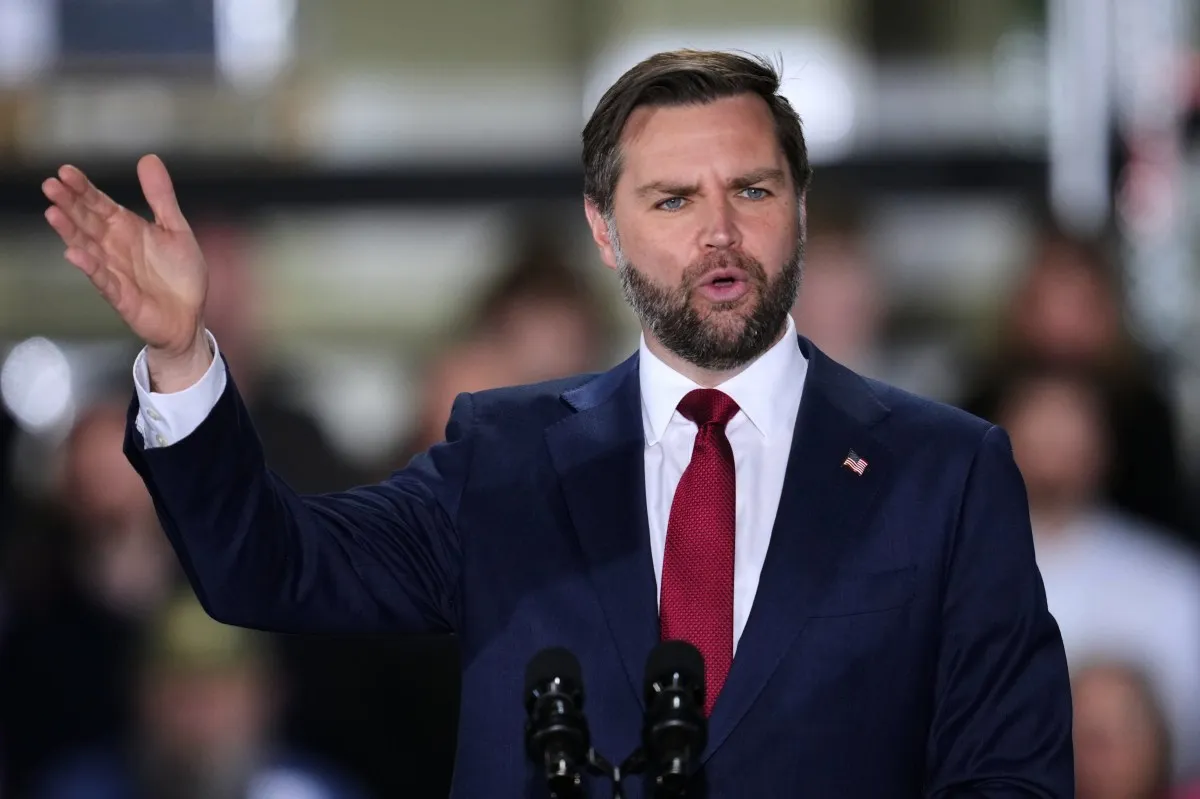
“My advice to Vance: announce your support of [a] 25th amendment transition,” stated Scott McConnell, a notable figure in the current political landscape. This statement underscores a growing concern regarding the stability of presidential power and the implications of the 25th Amendment, which allows for the transfer of presidential authority to the vice president if the president is incapacitated or unable to fulfill their duties.
McConnell’s call for JD Vance, who is currently serving as Vice President under Donald Trump, to endorse a transition of power is particularly striking given the context of Vance’s political persona. Described as a prominent rightwing troll, Vance has garnered attention not only for his allegiance to Trump but also for his controversial views, which have been criticized as racist and anti-immigrant. This backdrop makes McConnell’s suggestion both timely and provocative.
In recent discussions surrounding the 25th Amendment, the political environment has been characterized by loyalty within Trump’s administration, often described as filled with ‘yes-men’. This loyalty raises questions about the effectiveness of leadership and decision-making processes, especially when considering the potential need for a transition of power. The implications of invoking the 25th Amendment are profound, as they touch on the very essence of democratic governance and the stability of the executive branch.
John Oliver, a prominent commentator, has weighed in on Vance’s role in this administration, stating, “Vance has turned out to be perfect for Trump, as in many ways he’s become like a son Trump doesn’t even have to pretend to love.” This remark encapsulates the perception of Vance’s unwavering support for Trump, which may complicate any discussions regarding a transition of power. The dynamics between these political figures reflect a broader trend of loyalty overshadowing critical governance practices.
Furthermore, Vance’s controversial statements about community and belonging have sparked significant debate. He remarked, “It is totally reasonable and acceptable for American citizens to look at their nextdoor neighbors and say: ‘I want to live next to people that I have things in common with.'” Such comments have drawn criticism and highlight the divisive nature of contemporary political discourse, particularly in the context of immigration and community cohesion.
As the political landscape continues to evolve, the potential for invoking the 25th Amendment remains a topic of discussion among lawmakers and analysts alike. Markwayne Mullin is reportedly being considered for a position in Trump’s Cabinet, which could further influence the dynamics of power within the administration. The presence of individuals like Mullin, who may align with Vance’s views, raises questions about the future direction of policy and governance.
As the situation develops, observers are keenly watching how these discussions will unfold. The invocation of the 25th Amendment is not merely a procedural matter; it represents a critical juncture in American politics. With McConnell’s call to action, the pressure is mounting on Vance and others within the administration to address the implications of their loyalty to Trump and the potential need for a transition of power.
Details remain unconfirmed regarding the specific actions that may be taken in response to these discussions. However, the conversation surrounding the 25th Amendment is likely to intensify as political figures navigate the complexities of governance in an increasingly polarized environment.