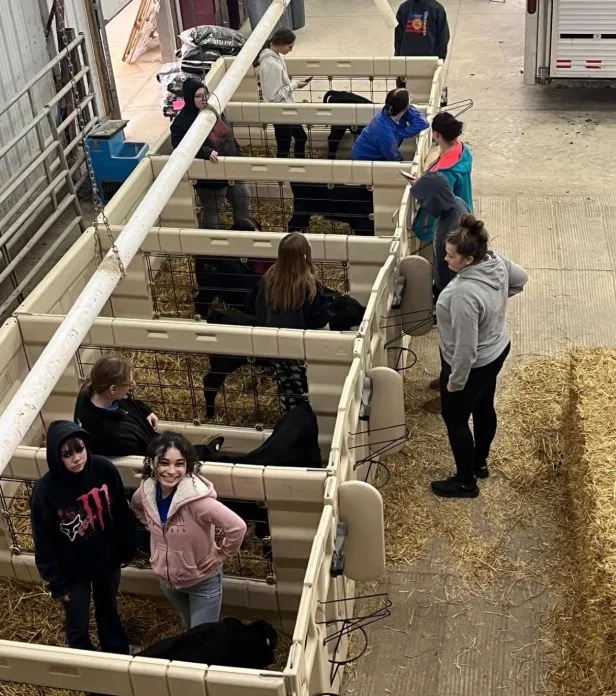
Authorities are investigating a highly coordinated theft of 64 Holstein calves that occurred in Mercer County, Ohio, between 10 p.m. on May 2 and shortly after 6 a.m. on May 3. The incident highlights the rising value of beef and the ongoing challenges of cattle security in the region.
The Gaerke family, who operate Gaerke Brother Farms, reported the theft from a converted poultry barn where the calves were housed. Each calf is valued between $1,800 and $2,000, bringing the total estimated loss to around $50,000—a significant hit for any farm.
Sheriff Doug Timmerman noted that this theft is not just opportunistic; it appears to be a well-planned operation. “This is somebody that completely understands the industry and how it works,” he stated. The thieves likely had prior knowledge of both the building layout and the animals themselves.
As investigations continue, authorities face hurdles. There is little to no physical evidence available to track down the perpetrators. They are currently reviewing security camera footage from nearby locations, but no leads have emerged yet. The local agricultural community has been alerted to monitor for any signs of the stolen calves.
In an era where beef prices have surged—“You can probably tell by going to the grocery store recently, that the price of beef is extremely high,” Sheriff Timmerman remarked—such incidents of livestock theft are becoming increasingly common. The rise in beef prices makes cattle more attractive targets for thieves.
The Ohio Farm Bureau has stepped in with a $5,000 reward for information leading to an arrest and conviction related to this theft. This incentive underscores not only the economic impact but also the growing concern about agricultural crime within Ohio’s farming community.
The investigation remains active as officials seek to piece together how such a brazen act could occur without detection. The exact methods used by the thieves to execute this operation remain unclear, as does their current location.
As this situation develops, one thing is certain: vigilance is essential. “We just need to be a little bit more vigilant,” Sheriff Timmerman advised, emphasizing that all farmers should take precautions against potential future threats.