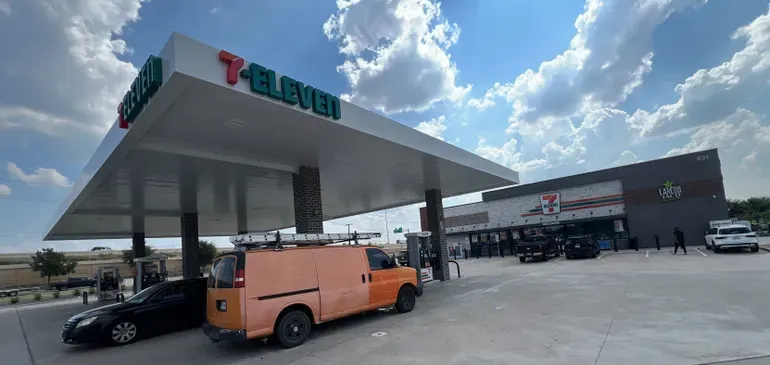
In a significant move, 7-Eleven has announced plans to close 645 convenience stores across North America during fiscal 2026, a decision that underscores the company’s shift towards a new food-focused store format. This transition comes as the convenience store sector grapples with changing consumer preferences and declining sales in traditional profit drivers like tobacco.
The closures, which are part of what the company describes as “portfolio optimization,” indicate a strategic pivot away from small, traditional shops. Over the past five years, 7-Eleven has consistently closed more stores than it has opened, with more than 600 stores shuttered in 2024 and 2025 alone. This trend reflects a broader change in the industry, where high-margin prepared foods are becoming increasingly important.
In fiscal 2026, which runs from March 1, 2026, to February 28, 2027, 7-Eleven is also expected to open over 200 new locations, although these will likely be larger stores focusing on fresh food offerings. The company has already seen a 12% increase in sales of prepared foods across the convenience store sector, highlighting the growing consumer demand for healthier options.
Moreover, some of the closed locations will be converted into wholesale fuel stores, which will not count towards the total store closure numbers. This indicates a strategic effort to adapt to market demands while still maintaining a presence in the fuel sector.
7-Eleven’s challenges are compounded by a significant decline in cigarette sales, which have dropped by 26% since 2019. This decline has had a profound impact on convenience store profits, prompting the need for a reevaluation of business strategies.
Stan Reynolds, a company spokesperson, noted that the new food-forward stores are resonating with customers, driving average sales per store day about 18% higher than the system average. This suggests that the company’s pivot towards food is not only necessary but also potentially lucrative.
Despite these changes, the company faces uncertainty regarding its initial public offering (IPO), which has been delayed by at least 11 months due to market conditions. This delay raises questions about the company’s financial health and future growth prospects.
As 7-Eleven continues to navigate these challenges, the convenience store landscape is expected to evolve significantly. The shift towards larger, food-centric stores may redefine consumer expectations and reshape the competitive dynamics within the industry.
Details remain unconfirmed regarding the exact locations of the closures and the timeline for the new store openings. However, the trend towards food-focused convenience stores seems poised to continue, reflecting broader shifts in consumer behavior.