Who is involved
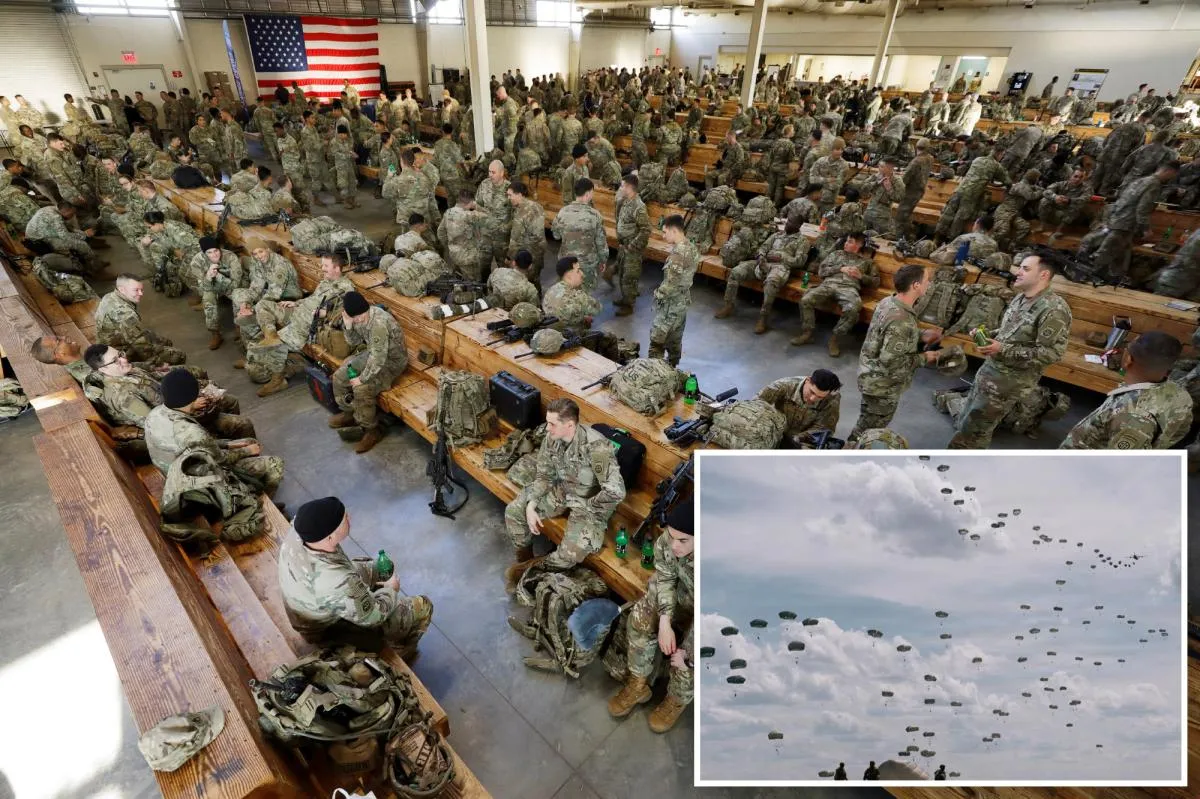
The 82nd Airborne Division, a key asset of the U.S. Army, has long been recognized for its rapid deployment capabilities. Historically, this elite division can mobilize approximately 3,000 troops anywhere in the world within just 18 hours. This capability has positioned the 82nd as a critical player in addressing emerging conflicts, particularly in volatile regions like the Middle East.
Before the recent developments, there was a prevailing expectation that U.S. military involvement in the Middle East would remain limited, especially following the withdrawal of troops from Afghanistan. However, the landscape shifted dramatically with the announcement of Operation Epic Fury, which aims to bolster U.S. support for Israel amid rising tensions with Iran. The Pentagon is now preparing to deploy a brigade combat team from the 82nd Airborne Division, signaling a significant escalation in U.S. military engagement in the region.
The decisive moment came when the White House confirmed plans to send around 3,000 soldiers from the 82nd Airborne Division to support this operation. This deployment is particularly noteworthy given the backdrop of escalating hostilities, including Iran’s strategic control over Kharg Island, which handles 90% of the country’s oil exports. The proximity of U.S. forces to such critical infrastructure raises the stakes considerably.
As the situation evolves, the direct effects on the parties involved are becoming increasingly apparent. The deployment of the 82nd Airborne Division not only reinforces U.S. military presence in the region but also serves as a clear message to Iran regarding the U.S.’s commitment to its allies. This move is likely to provoke a strong response from Iranian officials, who may interpret the deployment as an act of aggression, further complicating diplomatic relations.
Experts have weighed in on this shift, emphasizing the strategic implications of deploying the 82nd Airborne Division. The division’s Immediate Response Force is designed to react swiftly to crises, and its readiness to deploy within 18 hours underscores the urgency of the current geopolitical climate. However, it is essential to note that no final order has been issued to dispatch the Immediate Response Force, leaving some uncertainties surrounding the exact timeline and role of these troops.
Moreover, the Pentagon’s anticipated announcement of the deployment reflects a broader strategy to deter Iranian aggression and reassure U.S. allies in the region. President Trump has not ruled out the possibility of putting U.S. boots on the ground in Iran, indicating that the military’s role could extend beyond mere support operations. This potential escalation raises questions about the long-term implications for U.S. foreign policy and military strategy.
In conclusion, the deployment of the 82nd Airborne Division marks a pivotal moment in U.S. military engagement in the Middle East. As tensions rise, the rapid-response capabilities of this elite division will be put to the test, and the outcomes of this operation could shape the future of U.S.-Iran relations. Details remain unconfirmed, but the implications of this deployment are already resonating across the geopolitical landscape.