Introduction
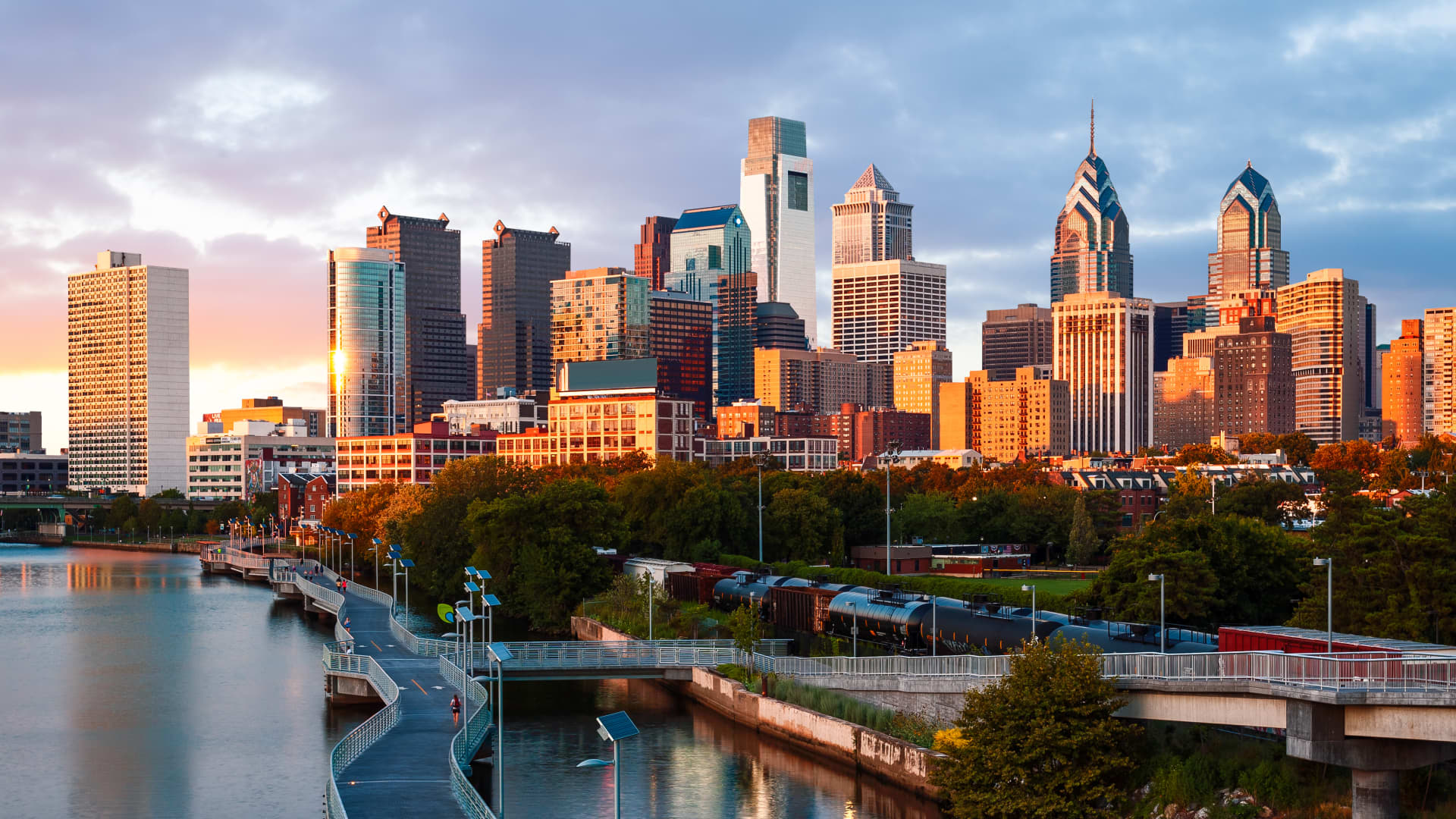
Philadelphia, often referred to as the “City of Brotherly Love,” holds a significant place in American history and culture. Founded in 1682 by William Penn, it has served as a vital centre for many historic events, including the signing of the Declaration of Independence in 1776. With a diverse population and a rich array of cultural attractions, Philadelphia remains a focal point of tourism, education, and the arts.
Historical Significance
The importance of Philadelphia extends beyond its role in American independence. The city was the first capital of the United States and is home to the Liberty Bell, a symbol of freedom. Independence Hall, where both the Declaration of Independence and the United States Constitution were debated and adopted, attracts millions of visitors each year. In recent months, Philadelphia has hosted various events commemorating these historic anniversaries, engaging citizens and tourists alike in discussions about democracy and civic duty.
Cultural Landscape
Presently, Philadelphia stands as a vibrant hub for arts and culture. The Philadelphia Museum of Art, with its impressive collection that spans over 2,000 years, showcases both international masterpieces and local talents. This past summer, the museum launched a new exhibit focusing on African American artists, which has drawn significant attention and sparked conversations on representation in the arts.
The city is also known for its culinary scene, particularly the iconic Philadelphia cheesesteak. Food festivals celebrating local cuisine have surged in popularity, further boosting local businesses and attracting food enthusiasts. Recent statistics suggest that Philadelphia has seen a 15% increase in tourism related to culinary experiences since last year.
Community and Development
Moreover, Philadelphia is undergoing several development projects aimed at improving urban infrastructure and community services. As the population continues to grow, city planners are focusing on sustainable development practices. Initiatives like the Philadelphia 2035 plan aim to enhance city living while preserving its historic charm.
Conclusion
As Philadelphia moves forward, it retains its identity as a city rich in history and culture, while also adapting to the needs of modern society. Its dedication to preserving heritage, coupled with innovations in community development, makes Philadelphia not just a place to visit, but a city worth investing in for the future. With an ever-growing cultural and artistic presence, coupled with ongoing urban projects, Philadelphia is poised to remain a vibrant and essential part of America’s narrative.