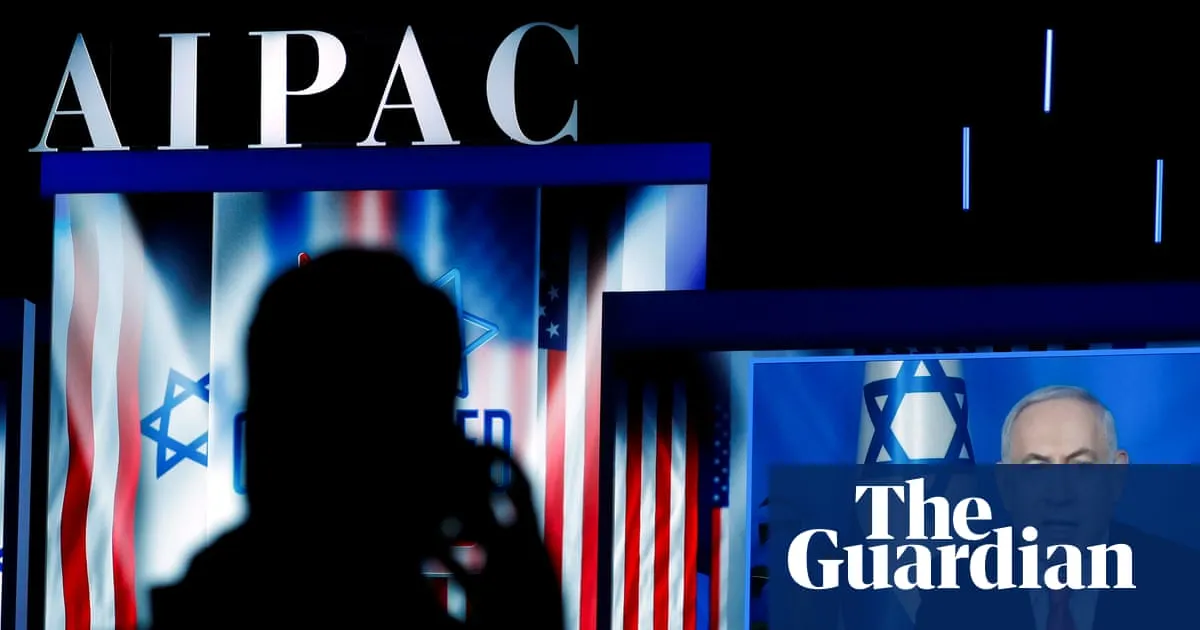
AIPAC has historically supported Israel and has been a powerful lobbying force in Washington. Recently, the organization has intensified its efforts in Illinois, spending at least $13.7 million across four races in the state. This financial commitment is part of a broader strategy as AIPAC declared a $96 million war chest for the upcoming 2026 midterm elections.
In a notable development, AIPAC-aligned groups have begun targeting Illinois candidate Daniel Biss with significant advertising campaigns. Elect Chicago Women, an AIPAC-linked super PAC, has reportedly spent $1.4 million attacking Biss, while additional spending from other AIPAC affiliates has reached $6 million.
These aggressive tactics are not without controversy. David Axelrod commented on the potential backlash, stating, “If people recognize the source as AIPAC by another name, the tactics and funder of the ads may overwhelm their message and wreck their intended beneficiary.” This highlights the complex dynamics at play as AIPAC seeks to influence voter perceptions.
Furthermore, AIPAC’s involvement in political races is drawing attention to its broader agenda. Junaid Ahmed, a political opponent, remarked, “They’ll spend big money now and then expect my opponent to send billions in aid and weapons to Israel when she’s in Congress.” This sentiment reflects concerns about the implications of AIPAC’s financial power on candidate positions regarding Israel and Palestine.
In the context of these developments, Beth Miller noted, “AIPAC is making it very clear that if you support Palestinian rights at all, and you’re a possible contender, then you’re on their list.” This statement underscores the organization’s stance against candidates who advocate for Palestinian rights.
Historically, AIPAC has been known for its unwavering support of Israel, promoting a binary perspective on the Israeli-Palestinian conflict. However, Jeremy Ben-Ami suggests that the political landscape is shifting, stating, “The center of gravity has shifted away from the black-and-white world of AIPAC and the ‘Israel right or wrong’ policy they promote.” This shift may indicate a growing divide in public opinion regarding U.S. foreign policy in the Middle East.
As the 2026 midterms approach, observers are closely monitoring AIPAC’s strategies and their potential impact on candidates and voter sentiment in Illinois. The organization’s significant financial resources and its willingness to engage in aggressive campaigning signal a determined effort to shape the electoral landscape.
Details remain unconfirmed regarding the full extent of AIPAC’s plans and the reactions from the broader electorate. However, the implications of their spending and influence are already being felt in the political arena.