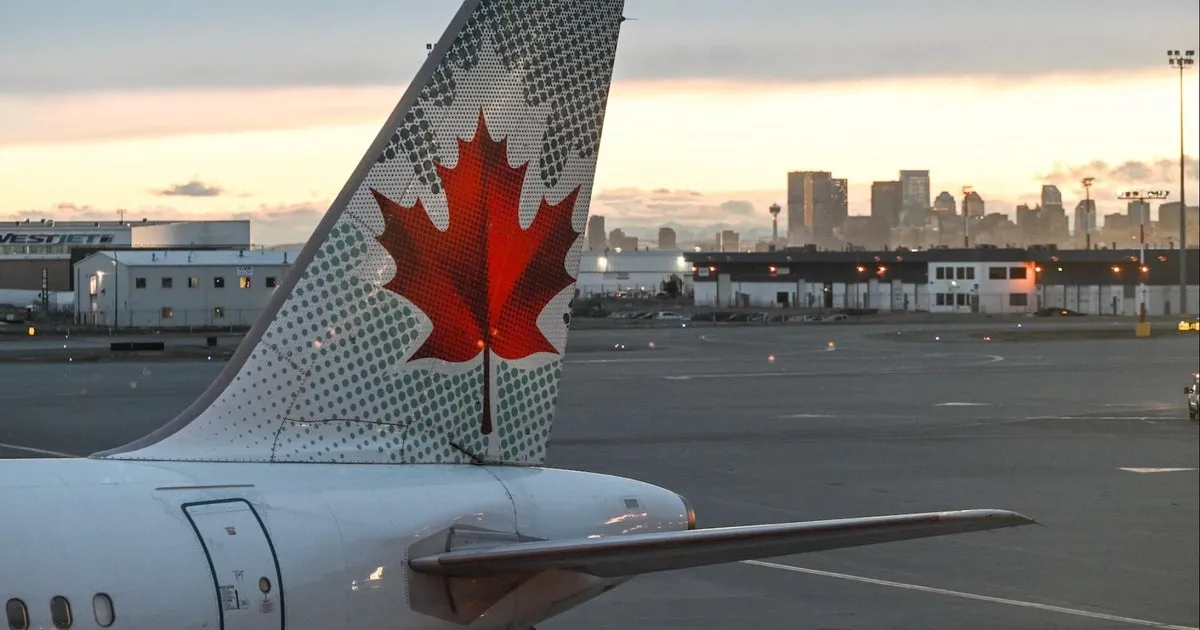
In a significant development for the Canadian aviation industry, Michael Rousseau, the CEO of Air Canada, has announced his retirement effective September 30, 2026. This decision comes in the wake of intense criticism following his English-only condolence message regarding the tragic crash of an Air Canada Jazz flight at LaGuardia Airport on March 22, 2026, which resulted in the deaths of two pilots, Antoine Forest and Mackenzie Gunther.
The backlash against Rousseau intensified after he delivered his condolence message in English, accompanied only by French subtitles. This approach was met with widespread disapproval, particularly in Quebec, where approximately 80% of the population is French-speaking. The Office of the Commissioner of Official Languages received hundreds of complaints, highlighting the sensitivity surrounding language use in a country that officially recognizes both English and French.
Rousseau’s tenure as CEO began in February 2021, during which he had pledged to learn French, a commitment that has been scrutinized given his ongoing inability to communicate fluently in the language. His failure to adequately address the linguistic expectations of Air Canada’s diverse customer base has been a persistent issue, culminating in calls for his resignation from notable figures, including Quebec Premier François Legault.
Key moments
Legault stated, “If he still doesn’t speak French today, it’s disrespectful to his employees and to his francophone customers, so yes, I think that if he doesn’t speak French, he should resign.” This sentiment was echoed by former Bank of Canada Governor Mark Carney, who expressed disappointment in Rousseau’s message, stating, “It shows a lack of compassion.” Carney emphasized the importance of bilingual communication in a country that prides itself on its linguistic duality.
The crash that precipitated this controversy has also raised questions about Air Canada’s operational protocols and the cultural responsibilities of its leadership. As a major airline in Canada, Air Canada is legally required to provide services in both official languages, making Rousseau’s language choices particularly contentious. The airline is projected to achieve a profit of 3 billion Canadian dollars in 2026, indicating a robust recovery from the pandemic’s impact, yet leadership stability is crucial for maintaining public trust.
Rousseau himself acknowledged the criticism, admitting, “I made a mistake by not learning to speak French when I joined Air Canada, and I am correcting that mistake at this point.” His retirement marks the end of a leadership era that has been fraught with challenges, particularly in navigating the complex linguistic landscape of Canada.
As Air Canada prepares for this transition, the focus will likely shift to finding a successor who can address both the operational needs of the airline and the cultural expectations of its customer base. The upcoming months will be critical for the airline as it seeks to restore confidence among its stakeholders and the public.
Details remain unconfirmed regarding the potential candidates for Rousseau’s replacement and how the airline plans to enhance its bilingual services moving forward. The implications of this leadership change will resonate throughout the aviation sector, particularly in a country where language and identity are deeply intertwined.