Introduction to Skeleton in the Winter Olympics
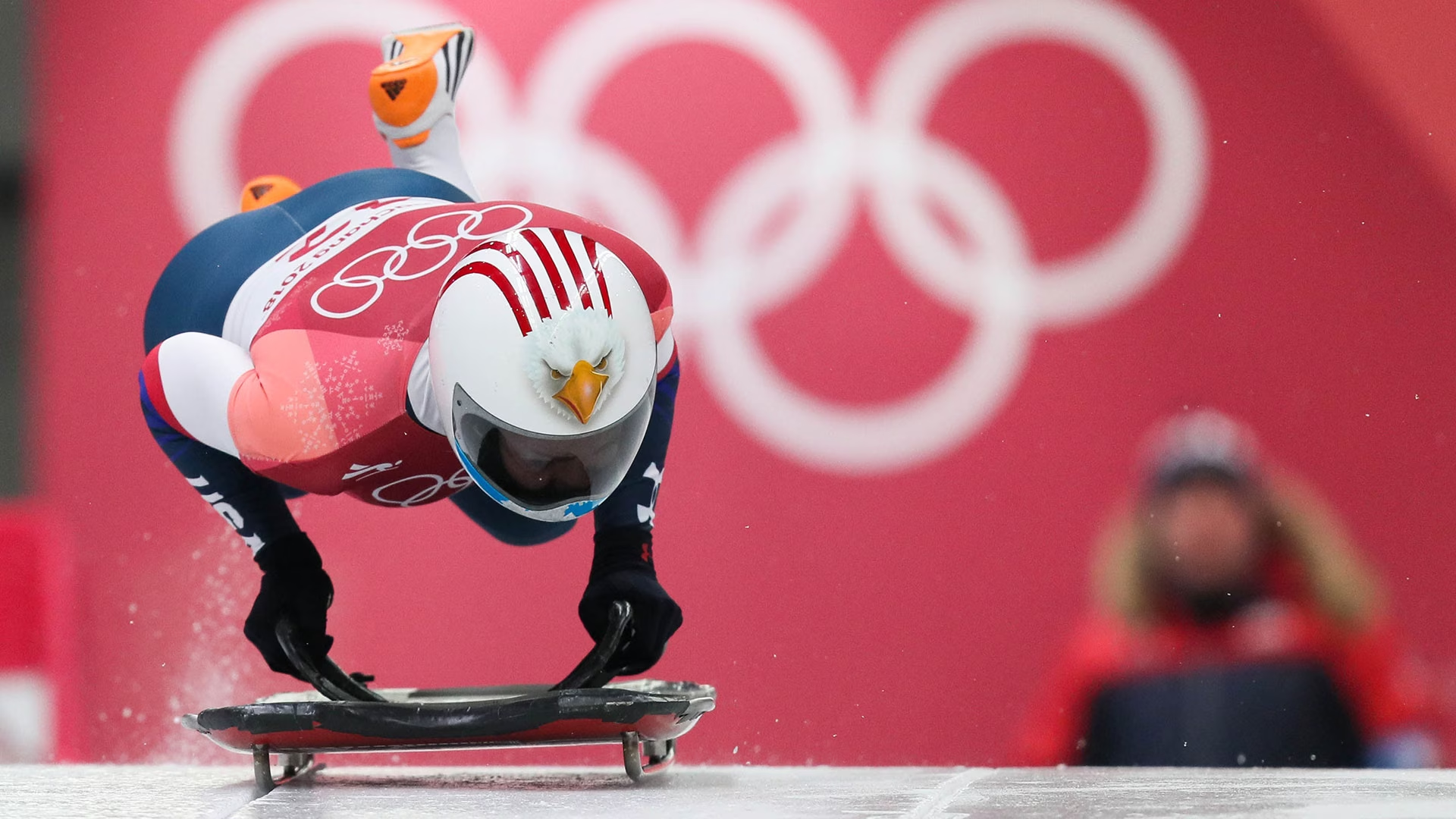
The skeleton competition has been a thrilling part of the Winter Olympics since its reinstatement in 2002. Unlike its more widely recognised cousin, bobsleigh, skeleton features athletes making solo runs down a steep, twisting track in a small sled. Participants lie face down, racing against the clock at speeds exceeding 130 kph. The adrenaline-pumping nature of the sport, combined with its growing international fanbase, makes it an essential element of Winter Olympic festivities.
History and Evolution of Skeleton
Skeleton has a rich heritage, with origins tracing back to the late 19th century in St. Moritz, Switzerland, where the first known track was constructed. It became popular in Europe and was later introduced to the Olympics over a century later. The first Olympic medals were awarded for men’s events in 1928, followed by women’s events added in 2002. Since then, it has flourished, showcasing elite athletes from numerous countries.
Recent Developments and Highlights
The most recent Winter Olympic Games held in Beijing in 2022 demonstrated the sport’s competitive nature and global appeal. The men’s champion, Germany’s Christopher Grotheer, and the women’s champion, Great Britain’s Hannah Roberts, both showcased incredible skill and technique, pushing the boundaries of what is possible on the track. Their performances highlighted the continuous growth of the sport, with numerous nations investing resources into developing skeleton talent.
Why Skeleton Matters
Skeleton’s appeal is multifaceted. It provides not only spectacular athleticism but also a deep connection to the history of winter sports. The sport promotes a unique blend of speed and precision, with slalom-like turns demanding both technical prowess and gut-wrenching courage. Moreover, as a clean sport, skeleton brings focus on anti-doping measures and the integrity of competition, making it increasingly relevant in today’s sporting landscape.
Conclusion and Future Prospects
As the Winter Olympics continue to evolve, so too does skeleton. The sport is likely to see advancements in technology, training methodologies, and increased visibility due to potential broadcasting deals and global sponsorships. For fans, the excitement remains palpable in the lead-up to the next Olympics where new stars will emerge. For aspiring athletes, it represents an opportunity to carve out a legacy on an international stage. In essence, skeleton not only embodies the essence of Olympic spirit—courage, determination, and excellence—but also promises to keep thrilling audiences for years to come.