Introduction
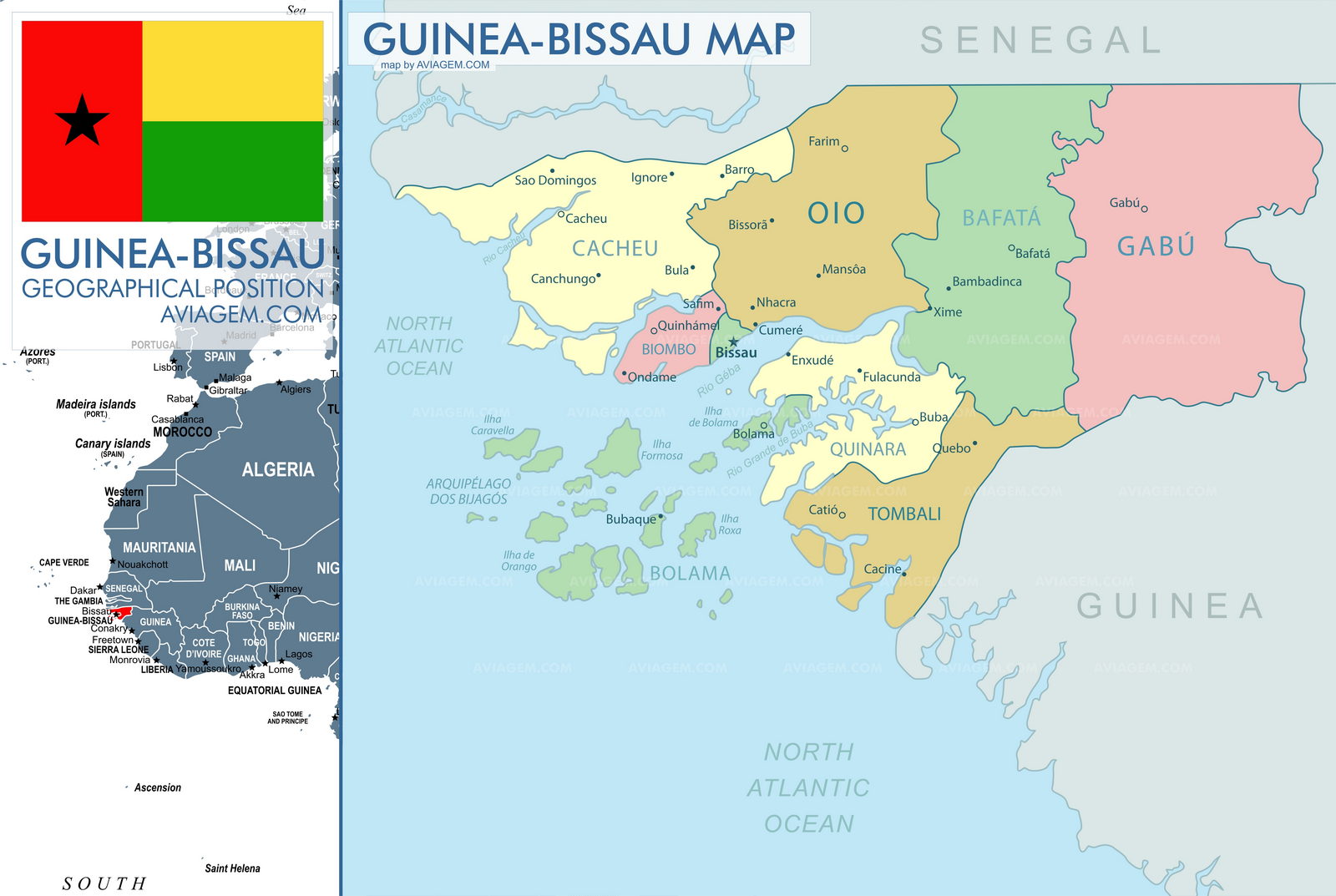
Guinea-Bissau, a small nation located on the west coast of Africa, holds significant geopolitical and economic relevance in the region. Known for its rich biodiversity, thriving cashew industry, and political challenges, the country has recently attracted increased attention due to its ongoing efforts for stability and development. With a history marked by coups and political instability, the current outlook could have implications for the broader West African region.
Current Political Landscape
As of October 2023, Guinea-Bissau is navigating a complex political environment. After a tumultuous 2022 marked by a coup attempt, the nation has seen efforts to stabilise governance structures. President Umaro Sissoco Embaló, who assumed office in 2020, has faced criticism for his handling of political dissent and the military’s role in civilian governance. This year, the government has focused on dialogue with opposition parties and attempts to increase civic engagement to restore public trust.
Economic Developments
Economically, Guinea-Bissau relies heavily on agriculture, particularly the export of cashews which account for 90% of the country’s total exports. In recent months, international investment in agricultural practices and infrastructure has been on the rise due to improved conditions for trade. The World Bank and African Development Bank have expressed interest in funding initiatives aimed at sustainable development in the sector, which could help bolster Guinea-Bissau’s economy and provide jobs for its youth population.
Social Challenges
Despite advancements, Guinea-Bissau continues to grapple with significant social issues, including poverty and limited access to healthcare and education. The United Nations has highlighted that more than 60% of the population lives below the poverty line. NGOs are working to address these issues through various programmes aimed at improving literacy rates and healthcare access, particularly for women and children.
Conclusion
Guinea-Bissau stands at a critical juncture in its history. With efforts to improve governance and economic stability underway, the country has the potential to transform its fortunes and reduce social inequalities. However, the success of these initiatives largely depends on the government’s ability to foster political cohesion and encourage foreign investment. The international community’s interest in Guinea-Bissau may serve as a catalyst for change, but the country’s path forward remains uncertain and closely watched by regional and global observers.