Introduction
Vladimir Putin, the President of Russia, remains a pivotal figure in global politics. His actions and policies have significant implications not only for Russia but also for international relations. As geopolitical tensions rise and Russia’s influence fluctuates, understanding Putin’s leadership and the current political landscape is essential for comprehending global dynamics.
Recent Developments
In recent months, Putin has continued to assert Russia’s position on the world stage. The ongoing conflict in Ukraine remains a focal point of his administration, with recent military actions and negotiations indicating a prolonged standoff. The international community has responded with sanctions and diplomatic efforts aimed at curbing Russian military interventions.
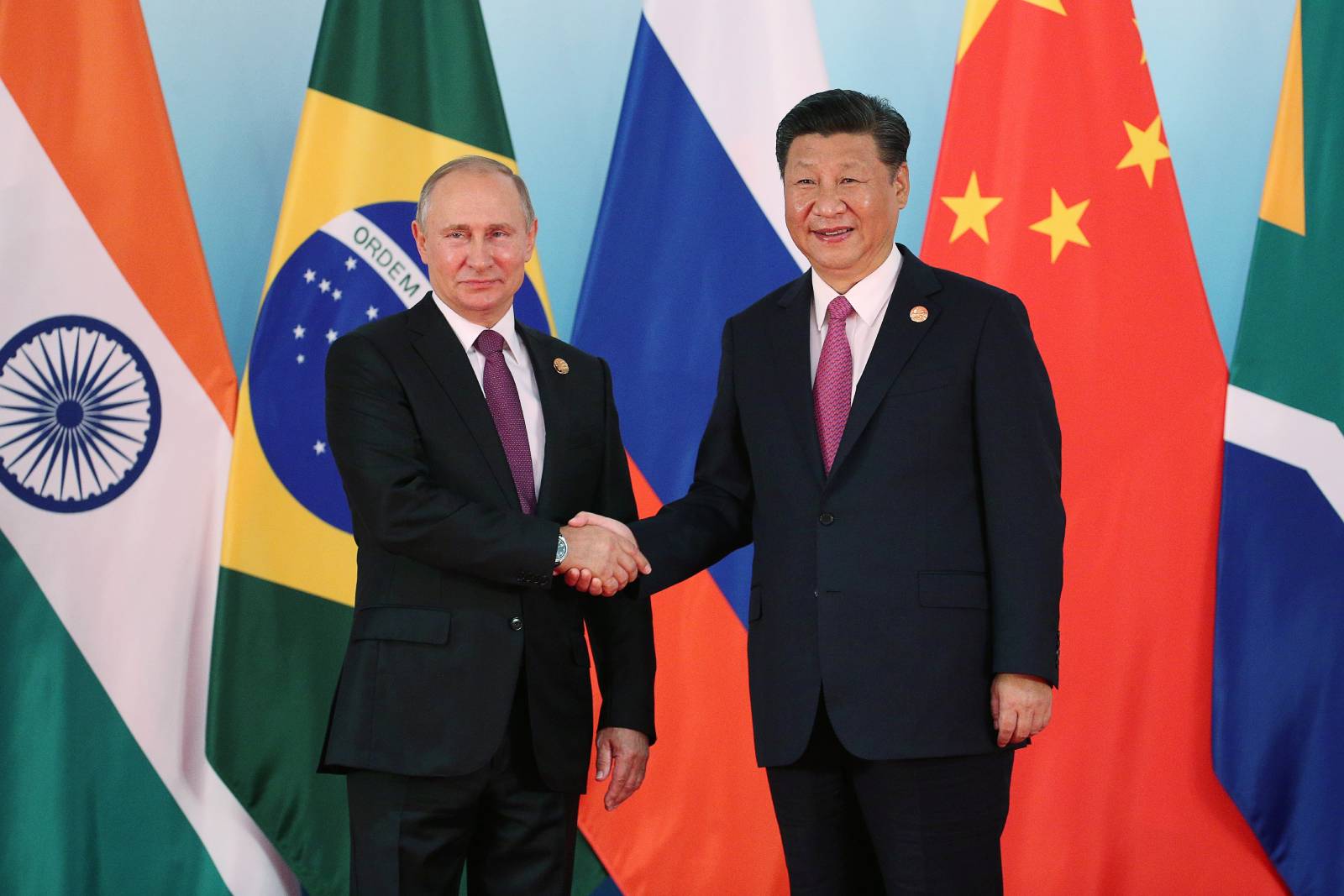
Moreover, Putin has been strengthening ties with non-Western countries, notably China and Iran, in response to Western sanctions. The strengthening economic and military collaboration with these nations has raised eyebrows in the West, indicating a possible shift in global alliances.
Domestic Policies
Domestically, Putin’s government faces growing challenges, including public dissent and economic struggles exacerbated by sanctions. The Russian economy has shown signs of contraction, with inflation rates affecting everyday life for citizens. To counter this, the Kremlin has ramped up state control over media and public discourse to maintain stability and quell dissent.
Recent legislative changes in Russia are aimed at consolidating power and stifling opposition. The government’s narrative seeks to frame the economic difficulties as external threats rather than internal mismanagement, rallying support around nationalistic sentiments.
Conclusion
Looking ahead, Putin’s continued leadership will likely involve a blend of aggressive foreign policy and suppressed domestic issues. The implications for international relations are profound, with a potential realignment of global power structures as countries respond to Russia’s actions. For observers and analysts alike, understanding the complexities of Putin’s strategy is crucial for predicting future events and the trajectory of global diplomacy. As this multifaceted situation unfolds, the global community remains vigilant to the changing political landscape.