Introduction
The ongoing conflict in Ukraine remains a significant issue in global politics, impacting not only the country’s sovereignty but also international relations and security dynamics. Since the outbreak of hostilities in 2014, Ukraine has remained in the headlines, especially in light of the escalation of tensions following Russia’s invasion in February 2022. The war has led to a humanitarian crisis, significant military engagements, and a reevaluation of energy policies across Europe.
Recent Developments
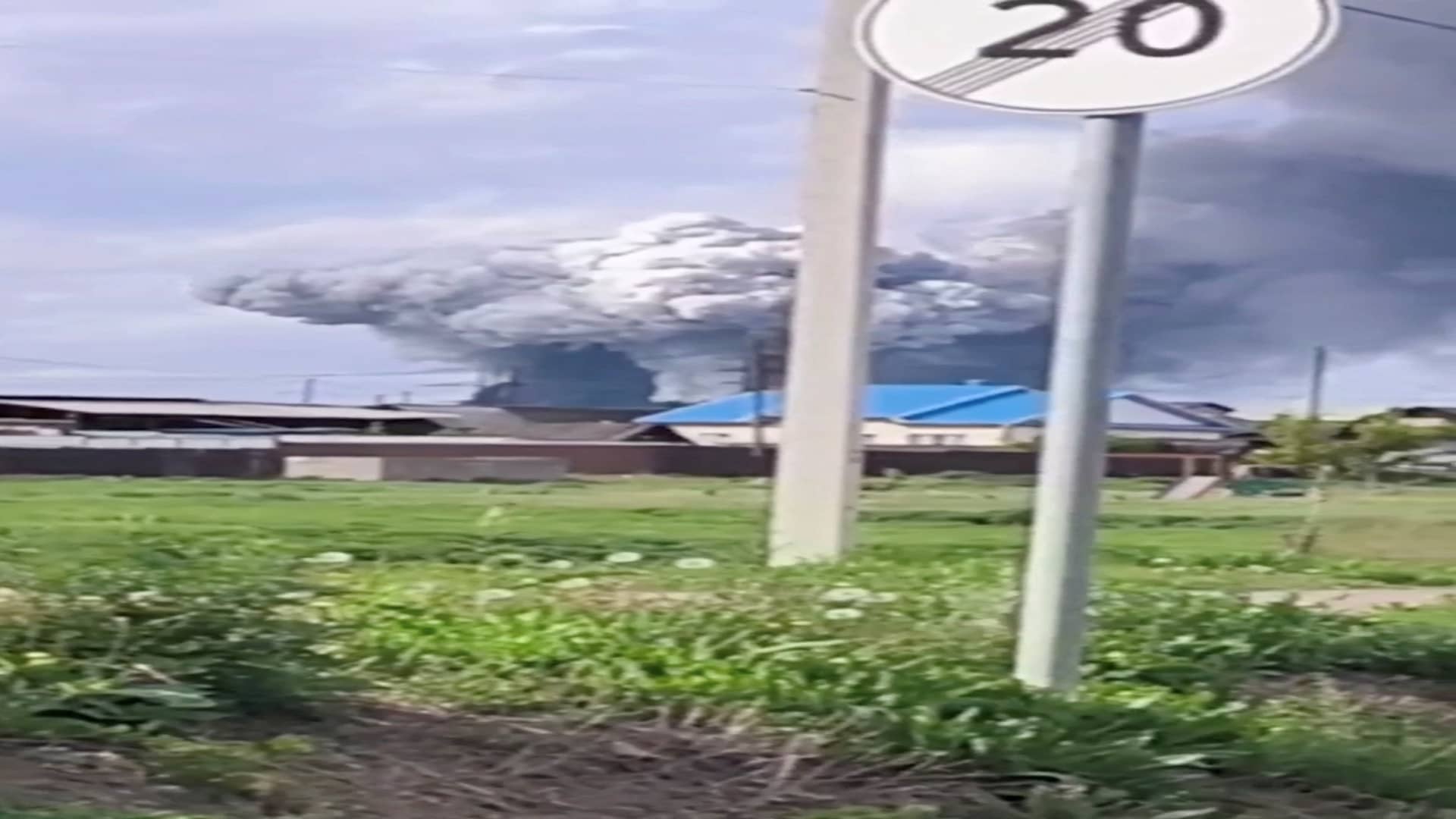
As of late 2023, Ukraine continues to face challenges on multiple fronts. Military operations remain intense in areas such as Donetsk and Luhansk, where Ukrainian forces are engaged in a fierce battle to reclaim territory from Russian control. Reports indicate that Ukraine has made strategic gains in recent counteroffensives, trying to weaken the Russian military’s hold on the eastern regions of the country.
Moreover, the humanitarian impact has been profound, with millions of Ukrainians displaced due to the ongoing conflict. The UN estimates that over 8 million people are internally displaced within the country, while over 7 million have fled to neighbouring countries. This crisis is exacerbated by the onset of winter, raising concerns about the living conditions of those affected.
International Response
The international community continues to respond to the crisis with sanctions against Russia and military aid to Ukraine. NATO member states have ramped up their support, providing both lethal and non-lethal assistance. The recent NATO summit reaffirmed a strong commitment to Ukraine’s sovereignty, with discussions around long-term support plans, including potential future membership for Ukraine.
Countries like the United States, the United Kingdom, and members of the European Union have put forth packages aimed at providing financial and military aid. Additionally, diplomatic efforts are ongoing to seek a resolution, though negotiations have often stalled due to differing terms and conditions imposed by both parties.
Conclusion
The situation in Ukraine remains fluid, with the potential for both escalation and resolution in the coming months. The costs of the war continue to rise, affecting global food supply chains, energy security, and international relations. For the UK and other European countries, decisions regarding military and humanitarian assistance will be crucial in shaping the future landscape of not only Ukraine but also regional stability. As Ukraine endures this relentless conflict, the global community faces an important question: how to effectively support a nation striving for sovereignty while navigating the geopolitical ramifications of a shifting world order.