Introduction
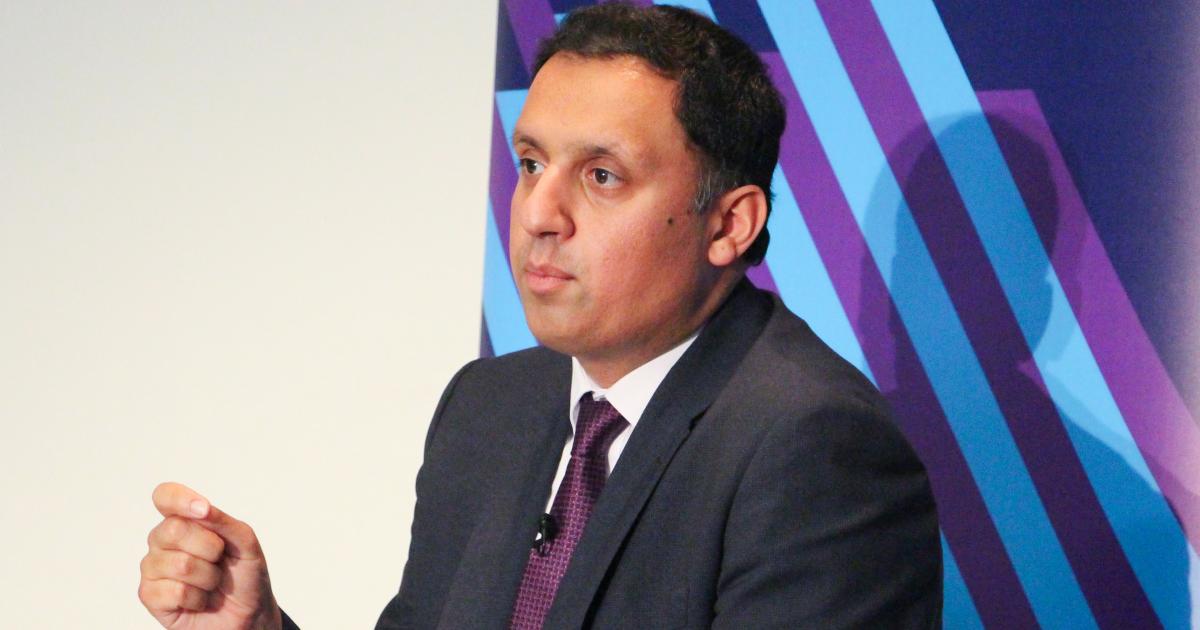
Anas Sarwar has emerged as a pivotal figure in Scottish politics, becoming the leader of the Scottish Labour Party in 2021. His leadership represents a crucial point for the party as it seeks to regain influence within a political landscape dominated by the SNP. With the challenges of governance, public health, and economic recovery in the post-pandemic era, Sarwar’s role is vital in addressing the needs of the Scottish populace.
Reshaping the Narrative
Sarwar, a Member of the Scottish Parliament (MSP) for Glasgow Central, has consistently advocated for progressive policies aimed at strengthening the welfare state, improving education, and addressing the climate crisis. One of his key focuses has been the health service, advocating for increased funding for the NHS and ensuring resilience against future health crises. Sarwar’s background as a businessman, coupled with his experience in public service, gives him a unique perspective on balancing economic stability with social justice.
Recent Initiatives and Positioning
In recent months, Sarwar has mobilized his party to tackle pressing issues such as the cost-of-living crisis, which has escalated due to inflation and energy price spikes. He has urged the Scottish Government to create a robust response plan to support low-income families and vulnerable communities affected by the rising costs. His proposals include calls for targeted financial assistance and increased funding for local authorities to enable them to support those in need.
Moreover, Sarwar has positioned Labour as a proactive alternative to SNP governance, which he claims has taken Scotland’s progress for granted. He argues for a strong Labour presence that can provide constructive opposition while also presenting a viable alternative to the Scottish electorate.
Conclusion
Anas Sarwar’s leadership of the Scottish Labour Party comes at a crucial turning point for both the party and for Scotland itself. As he navigates the complexities of contemporary politics, his approaches to health, economy, and social equity signal a potential revitalisation of Labour’s influence in Scotland. Looking ahead, how effectively Sarwar can unite and inspire both party members and the wider public will determine the trajectory of Scottish Labour in the coming years. With upcoming elections and continual socio-economic challenges, Sarwar’s strategies may prove instrumental in reshaping the electorate’s views and Labour’s position within Scotland’s political framework.