Introduction
On Monday, a series of avalanches struck the Swiss Alps, leading to widespread disruption of train services across several key routes. The Swiss rail network, known for its punctuality and efficiency, faces serious delays and cancellations, making this incident particularly significant for both commuters and tourists.
The Impact of the Avalanches
Multiple avalanches were reported in the Bernese Oberland region, with the most severe occurring near the town of Grindelwald. Local authorities confirmed that heavy snowfall and unstable weather conditions were contributing factors. Swiss Federal Railways (SBB) suspended service on several lines due to safety concerns, affecting thousands of passengers who rely on trains for their daily commute and travel plans.
According to SBB, the affected routes included popular destinations such as Interlaken and Zermatt, as well as main commuter lines that connect smaller towns to major cities. Passengers were advised to check for updated schedules and to consider alternative transport methods, including buses, which were also facing delays due to the weather.
Response from Authorities
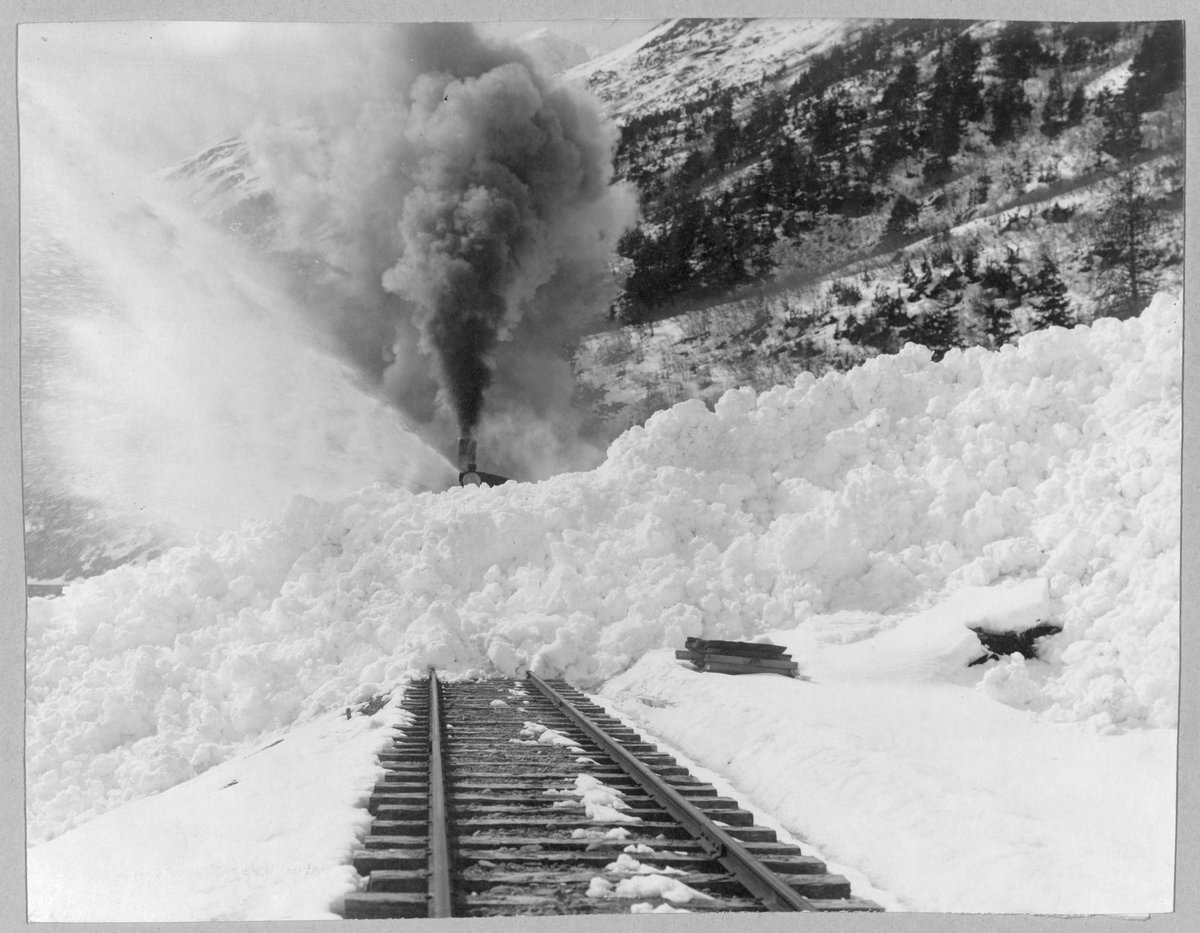
Rescue teams and local authorities responded promptly to the situation, deploying snowplows and teams to clear blocked tracks. SBB has stated that safety is their top priority, and they are working diligently to restore service, but the recovery process may take several days. The Federal Office for Civil Protection (FOCP) warned of further avalanche risks in the coming days due to unstable weather patterns.
Conclusion
This unexpected disruption to Switzerland’s rail services highlights the vulnerability of transportation networks to extreme weather conditions, particularly in mountainous areas. As travel resumes, authorities are urging passengers to remain patient and stay informed about ongoing weather developments. The disruptions serve as a reminder of nature’s power and its capacity to impact our daily lives. Stakeholders in transportation and tourism industries are advised to prepare for potential longer-term effects, as weather conditions remain unpredictable in the Alps.