Introduction
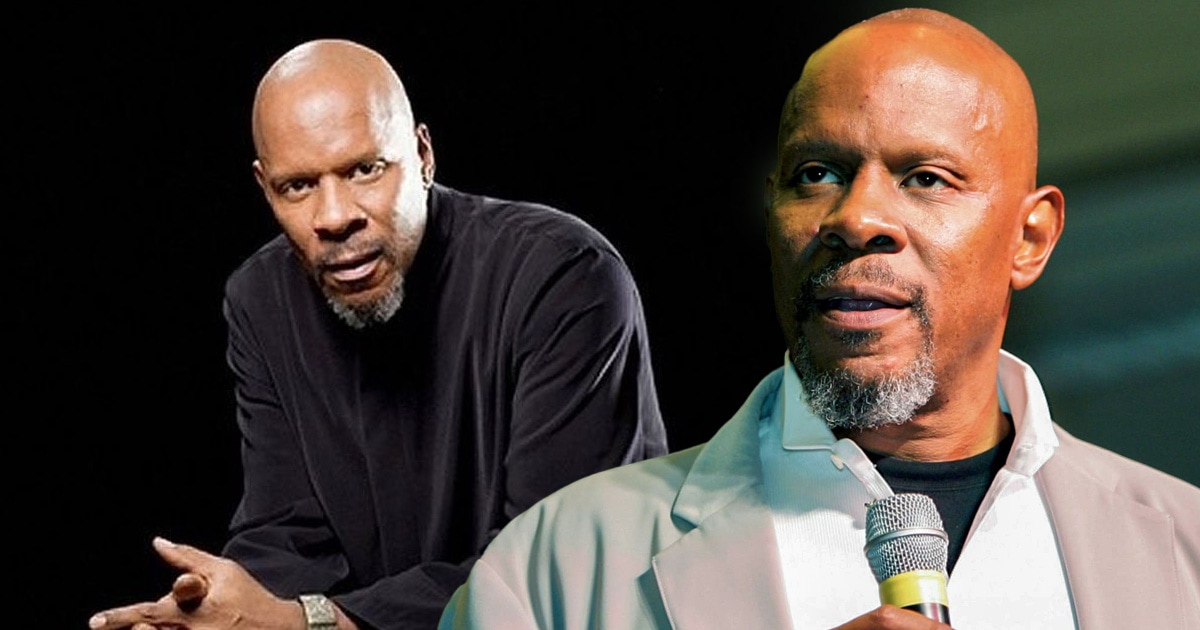
Avery Brooks is a prominent figure in television and film, especially known for his impactful role as Captain Benjamin Sisko in the acclaimed series ‘Star Trek: Deep Space Nine.’ His multifaceted career, which encompasses acting, directing, and music, not only showcases his incredible talent but also his commitment to representation and storytelling in the arts. Given the current discussions around diversity in media, Brooks’ contributions resonate strongly with ongoing conversations about representation.
Career Highlights
Born on October 2, 1948, in Evansville, Indiana, Brooks pursued a passion for performing arts from an early age. He earned a Bachelor of Arts from Oberlin College followed by a Master’s in Drama from Rutgers University. Brooks made his stage debut in the 1970s, performing in productions Off-Broadway and later at various prestigious theatres.
His breakthrough came in the role of Captain Sisko in ‘Star Trek: Deep Space Nine,’ which aired from 1993 to 1999. This was a momentous achievement as he became the first African-American lead in a ‘Star Trek’ series. Brooks’ portrayal of Sisko challenged stereotypes and provided a nuanced, complex character that engaged with significant issues such as race, identity, and leadership.
In addition to ‘Star Trek,’ Brooks is known for his work in the series ‘Spencer: For Hire’ and ‘A Man Called Hawk,’ showcasing his versatility as both an actor and a leader. Furthermore, his role as the title character in the 1992 television film ‘The Marva Collins Story’ highlighted the importance of education and empowerment in the African-American community.
Recent Developments
While Brooks has taken a step back from on-screen roles in recent years, his influence continues to inspire new generations of artists and actors, especially those from underrepresented communities. Discussions surrounding a potential return to television have surfaced, with fans expressing interest in seeing him return to the screen or participate in potential franchise reboots, particularly within the expansive ‘Star Trek’ universe.
Conclusion
Avery Brooks’ career remains a significant chapter in the narrative of American television and film. His commitment to portraying strong, multidimensional characters has left an indelible mark on the industry. As conversations around representation continue, Brooks’ legacy is a reminder of the importance of diversity in storytelling. Looking ahead, the possibility of seeing Brooks on screen again brings excitement and hope for further innovations in character development and representation in Hollywood.