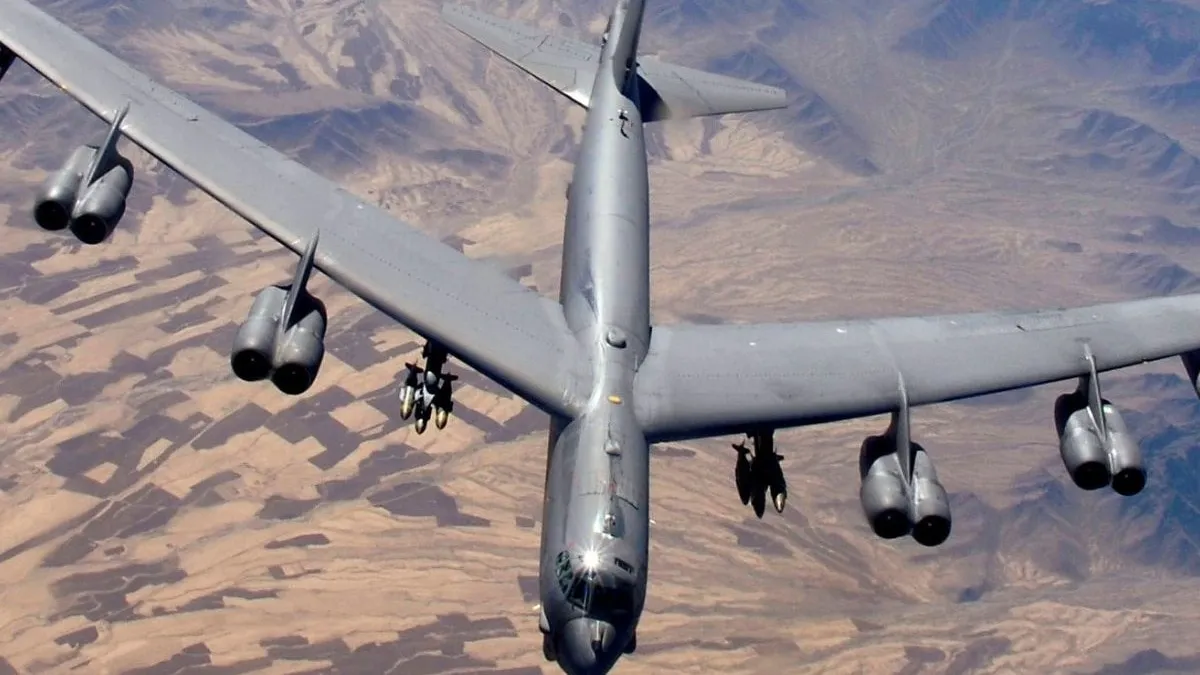
Before the recent developments, expectations surrounding U.S.-Iran relations were tense but somewhat stable, with diplomatic channels still open. However, the situation took a decisive turn as the U.S. deployed B-52 Stratofortress bombers from RAF Fairford in the United Kingdom, signaling a heightened military alert status.
Reports indicate that multiple B-52 aircraft departed from the base, with the first bomber taking off approximately three hours before the latest updates. This move coincided with a looming 8 PM EDT deadline set by former President Donald Trump for Iran to comply with his ultimatum, which had been underscored by threats of severe consequences.
As the deadline approached, tensions escalated significantly. Trump warned that “a whole civilization will die tonight, never to be brought back again,” highlighting the gravity of the situation. In response, Iran threatened retaliation against U.S. allies in the Gulf, indicating a willingness to escalate the conflict further if the U.S. blockade continued.
The deployment of the B-52 bombers is not merely a show of force; it reflects the U.S. military’s strategic positioning in response to Iran’s actions. Increased activity at RAF Fairford and RAF Lakenheath has been reported, suggesting a comprehensive military readiness in the region.
Experts note that the presence of these strategic bombers underscores the seriousness of the U.S. stance. Diplomatic warnings have intensified, with fears of a broader regional conflict looming as messages were still being exchanged through mediators just hours before the deadline.
Details remain unconfirmed regarding the operational specifics of the B-52 mission, but the implications are clear. The U.S. is prepared to respond decisively should Iran fail to comply with the ultimatum. This situation marks a significant escalation in military readiness and diplomatic tensions, with both sides bracing for potential fallout.
As the clock ticks down to the deadline, the world watches closely. The stakes are high, and the potential for conflict looms large over the Strait of Hormuz, a critical chokepoint for global oil supplies.
In this volatile environment, the deployment of B-52 bombers serves as a stark reminder of the precarious balance of power in the region and the dire consequences that could follow if diplomatic efforts fail.