“We don’t believe there has been any fraud,” stated Al Gage, a key official in the Colorado Republican Assembly, as the event concluded with significant delegate allocations for the upcoming primary election. This statement comes amid heightened scrutiny over election integrity, a topic that has gained traction in recent years.
At the assembly held in Pueblo, Colorado, Scott Bottoms emerged as a formidable candidate, securing 45% of the delegates, while Victor Marx followed closely with 39%. Both candidates surpassed the crucial threshold of 30% required to advance to the primary election ballot, which is set for June 30, 2026. With eleven gubernatorial candidates vying for a spot, the competition was fierce, yet the results indicate a clear preference among delegates.
The backdrop of this assembly is significant. Republicans have not won a statewide election since 2016, and they have not held the governorship since 2002. This context amplifies the importance of the upcoming primary, as the party seeks to regain its footing in Colorado politics. The assembly’s outcome is a critical step toward that goal, as candidates rally support from party members.
In addition to the gubernatorial race, other key positions were contested. Michael Allen dominated the attorney general delegate count with 64%, while David Wilson garnered 36%. For the secretary of state, James Wiley was the sole candidate to qualify for the primary ballot, achieving 71% of the delegates. Meanwhile, Kevin Grantham was nominated for state treasurer through a voice vote, and Mark Baisley secured his position as the only candidate for the U.S. Senate ballot.
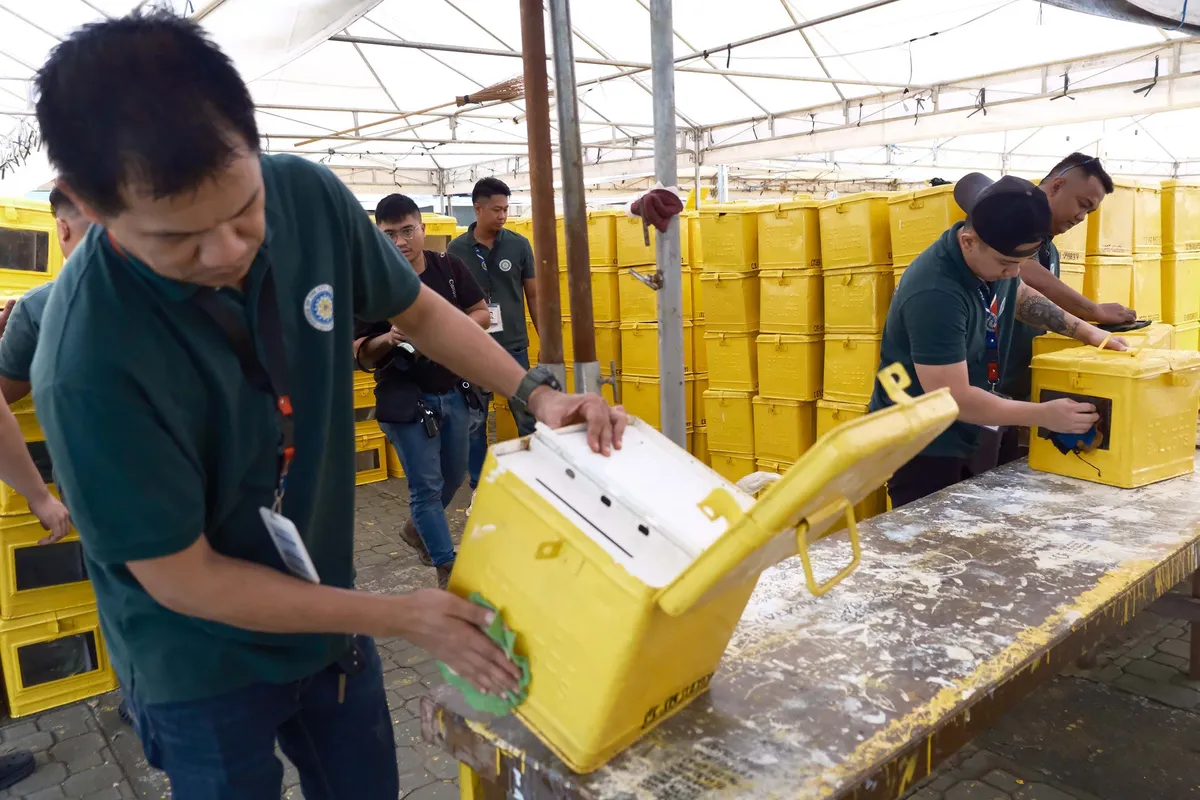
The assembly witnessed a total of 2,200 delegates, a significant turnout that reflects the party’s mobilization efforts. However, the event was not without its challenges; 80 overvotes were discovered, raising concerns about the voting process. Despite these issues, Gage’s assurance of no fraud suggests a commitment to transparency and integrity as the party moves forward.
As the primary election approaches, candidates are ramping up their outreach efforts. Cherrie Brown, a supporter of Bottoms, remarked, “He’s been open and honest about his values,” highlighting the importance of candidate integrity in a climate where trust in political processes is waning. This sentiment is echoed by voters who have expressed appreciation for the ease of voting methods, as noted by an anonymous voter who stated, “This method made voting so much easier.”
Looking ahead, the Republican Party in Colorado faces a critical juncture. With the primary election just weeks away, candidates will need to solidify their support among voters and address any lingering concerns regarding election processes. Mark Wlaschin, a local election official, emphasized the importance of voter education, stating, “We are trying to reach out to make sure they are aware of their rights and what is available to them.” This proactive approach may prove essential in ensuring a smooth electoral process.
As the political landscape continues to evolve, all eyes will be on the candidates as they prepare for the primary. The outcomes of these races could significantly impact the future of the Republican Party in Colorado, making the upcoming ballot a pivotal moment in the state’s political history.