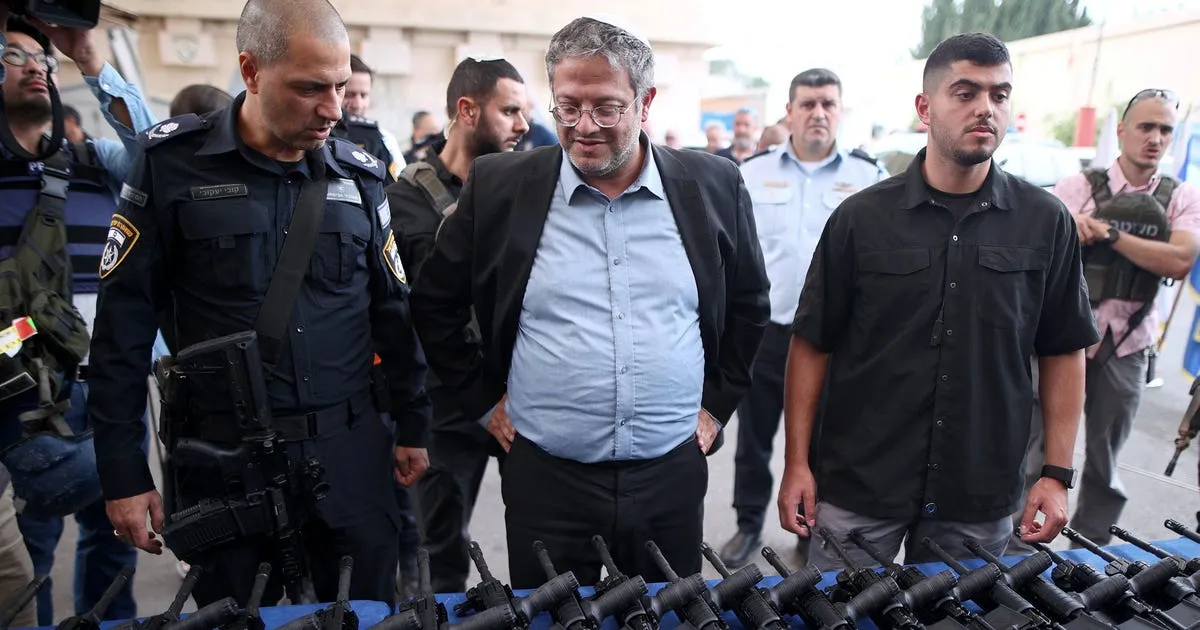
Ben Gvir expands firearm eligibility for Jerusalem residents
In a significant policy shift, Itamar Ben-Gvir, Israel’s Minister of National Security, announced on March 10, 2026, that all Jewish residents in Jerusalem are now eligible for firearm licenses based on their place of residence. This change marks a departure from previous regulations that limited eligibility to residents of neighborhoods adjacent to the West Bank.
The new policy is expected to add approximately 300,000 city residents from 41 neighborhoods to the list of those eligible for gun permits. Ben-Gvir’s initiative aims to arm more residents during what he describes as ongoing wartime conditions, reflecting a broader shift in Israel’s security policy.
Under the revised guidelines, the approval process for trained applicants will be expedited, and the criteria for who can apply for gun permits will be expanded. This move has been framed by supporters as a necessary step to enhance public safety and ensure a quicker response to potential threats.
However, the policy has drawn criticism from various quarters. Opponents caution that the expansion of gun permits could lead to oversight gaps and an increased risk of accidental harm. Concerns have been raised about the potential for escalation in violent incidents, particularly in a region marked by longstanding tensions.
Eran Nahon, a figure known for his previous work with Ben-Gvir in toughening conditions for Palestinian security prisoners, has been involved in discussions surrounding this latest policy change. The implications of this expansion are seen as part of a tightening of Israel’s overall security measures.
Supporters of the policy argue that it will serve as a deterrent against potential attacks and enable residents to respond more swiftly to threats. In contrast, critics emphasize the need for stringent oversight to prevent misuse of firearms and to safeguard public safety.
The change in eligibility for gun permits reflects a broader shift in Israel’s security policy during wartime conditions. As the situation evolves, the full impact of this policy will become clearer, and details remain unconfirmed regarding its implementation and oversight mechanisms.
As reactions continue to unfold, both supporters and critics are voicing their opinions on the potential ramifications of this significant policy change in Jerusalem.