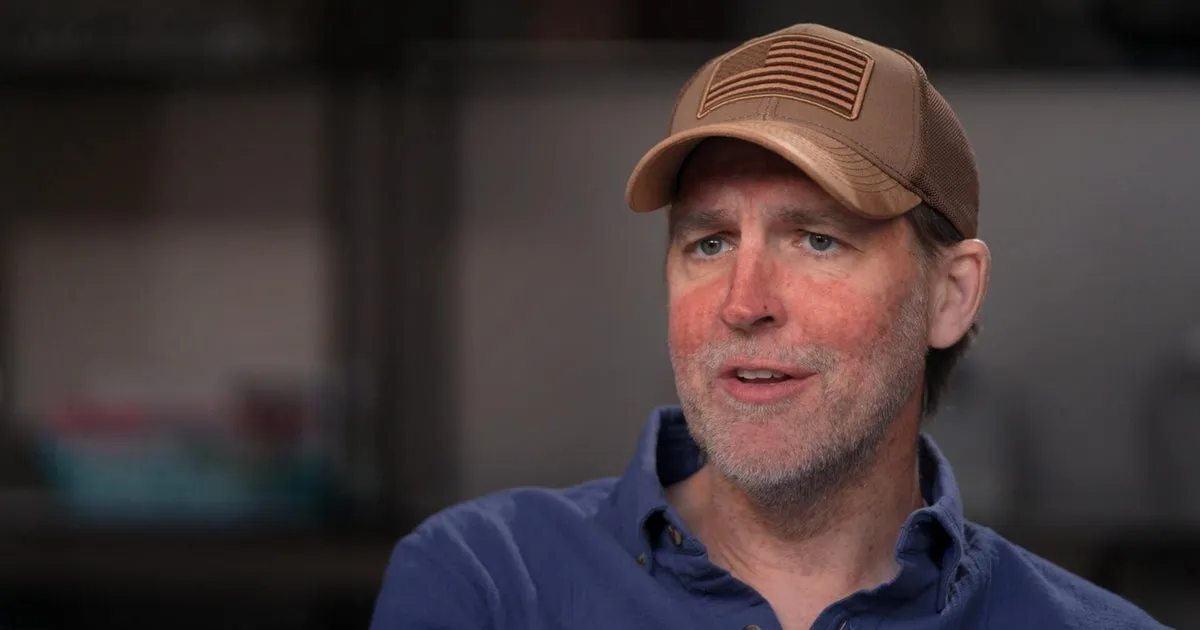
Ben Sasse, diagnosed with advanced pancreatic cancer at just 54, faces a profound reckoning. His condition has metastasized to multiple organs, including the liver and lungs. Yet, amidst this personal turmoil, Sasse offers insights that extend beyond his own struggles—he calls for a more deliberative approach in the U.S. Senate.
Having served in the Senate from 2015 to 2023, Sasse emerged as a voice of reason during tumultuous times. He was one of only seven Republicans to vote to convict President Donald Trump during the impeachment trial in 2021. This decision showcased his willingness to prioritize principle over party loyalty—an increasingly rare quality in today’s polarized political landscape.
Sasse’s journey through politics and now illness has led him to reflect deeply on community building and the dysfunction within Congress. “The Senate needs to be less like Instagram. The Senate needs to be more deliberative,” he stated, emphasizing the importance of thoughtful discourse over sound bites. His remarks resonate with many who feel disillusioned by the current state of political affairs.
After resigning from the Senate to become president of the University of Florida, Sasse’s life took an unexpected turn. He holds a PhD in American history—a testament to his academic dedication—and has been married for 31 years. He is also a father to three children: a 24-year-old daughter, a 22-year-old daughter, and a 14-year-old son. These personal connections fuel his fight against cancer.
Sasse reported a remarkable 76% reduction in tumor volume after four months of treatment—a glimmer of hope amid uncertainty. Yet he acknowledges the harsh realities of his diagnosis: “Death is wicked. Death is evil. Death is not how it’s supposed to be.” Such candid reflections underscore not just his battle but also the broader human experience with mortality.
As he contemplates his legacy, Sasse remains determined: “I’ll have more to say. I’m not going down without a fight.” This statement speaks volumes about his character—a blend of resilience and commitment to engage in meaningful dialogue even in the face of adversity.
Looking ahead, there are many questions left unanswered regarding both his health and the future of political discourse in America. Will Sasse’s reflections spark a much-needed conversation about Congressional dysfunction? Or will they fade into the background noise? Only time will reveal how this narrative unfolds.