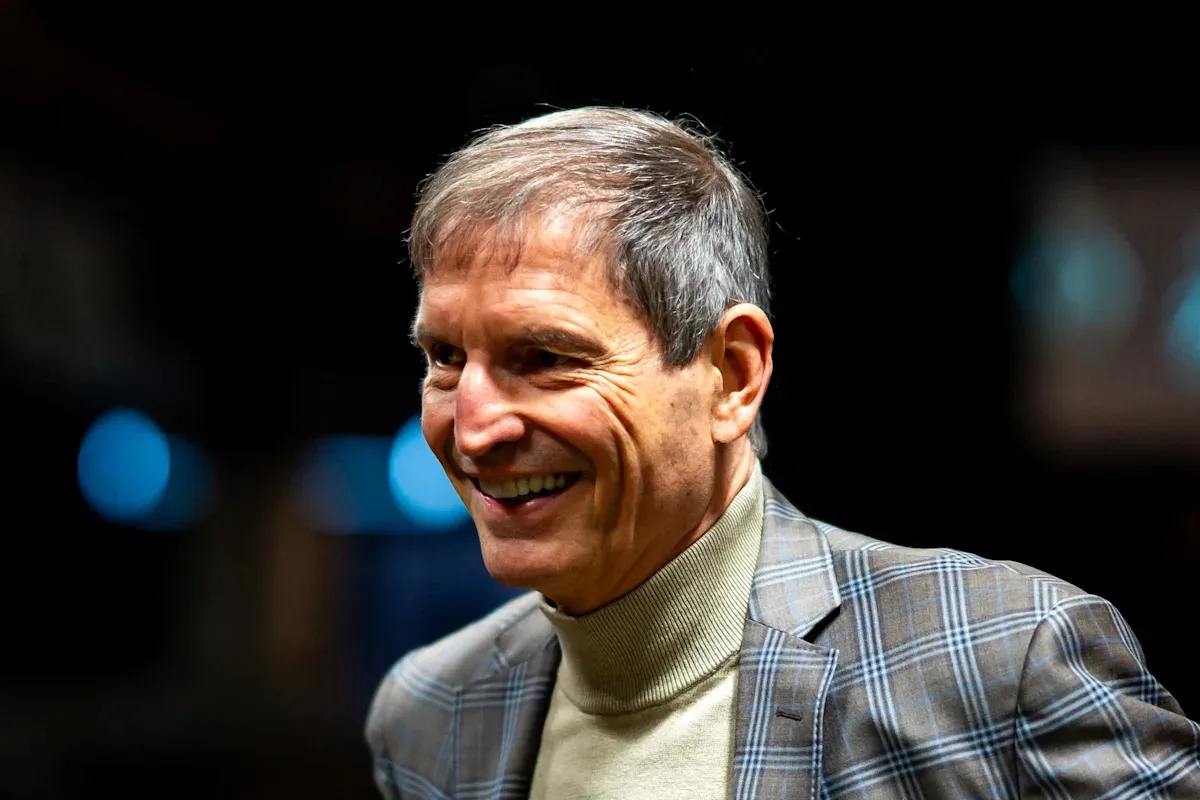
Bernie Kosar’s health struggles have taken a concerning turn as he returns to the hospital for a medical procedure—just months after undergoing a life-saving liver transplant. The former Cleveland Browns quarterback, now 62 years old, has faced numerous health challenges since his transplant in November 2025.
Since that significant surgery, Kosar has experienced multiple setbacks. He was hospitalized with E. coli blood poisoning in December 2025, and in January 2026, doctors noted a small rejection of the transplanted liver. This series of events raises questions about the long-term viability of his new organ and what it means for his overall health.
Kosar’s journey began with a directed donation from the family of Bryce Dunlap, who tragically passed away from a medical emergency. This act of generosity provided Kosar with a second chance at life—a chance that now hangs in the balance as he deals with these complications.
The Cleveland Browns legend shared updates with fans through social media, including a video posted from his hospital bed on May 2, 2026. In it, he expressed determination: “Let’s get this procedure over with and have a winning day.” His words resonate not only with his sports legacy but also with the resilience many hope to embody in the face of adversity.
Throughout his career, Kosar amassed impressive statistics—over 21,904 passing yards during his time with the Browns from 1985 to 1993. He led the team to multiple AFC Championship games and is celebrated as one of the franchise’s all-time greats. Yet, his recent health issues remind us that even legends face their own battles off the field.
As Kosar navigates this latest hospitalization, uncertainties linger regarding his recovery timeline and what further medical interventions might be necessary. His fans and supporters are left hoping for positive news while reflecting on his remarkable contributions to football.
In this time of uncertainty, Kosar’s spirit shines through. His determination to overcome these challenges speaks volumes about his character—both as an athlete and as an individual facing life-threatening health issues.