In a surprising turn of events, the University of North Carolina (UNC) has decided to part ways with Hubert Davis after five seasons as head men’s basketball coach. This decision, confirmed on March 24, 2026, marks a significant shift in the landscape of college basketball, particularly for a program that is considered one of the most prestigious in American sports.
Before this development, Davis was expected to continue leading the Tar Heels, building on a foundation he had established over his tenure. However, the recent performance of the team did not meet the high expectations associated with UNC basketball, prompting the administration to seek a new direction.
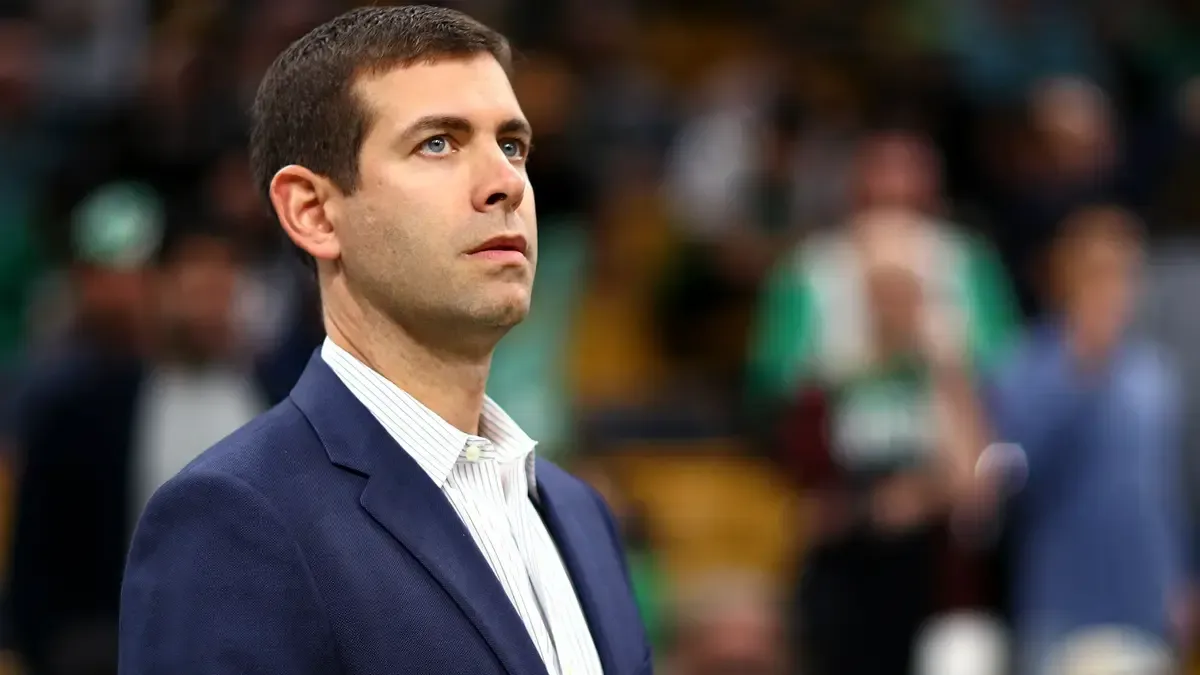
The decisive moment came when UNC officially announced Davis’ firing, opening the door for a coaching search that has already garnered significant attention. Among the names being floated as potential replacements is Brad Stevens, who last coached in 2021 before transitioning to the front office of the Boston Celtics.
Stevens, now 49 years old, is known for his impressive track record, having led Butler to two consecutive Final Four appearances in 2010 and 2011. His success in college basketball has made him a reputable figure, albeit not a traditional “Carolina guy.” This distinction has raised questions about whether he would fit the culture at UNC.
Despite these uncertainties, there is considerable support for Stevens’ candidacy. Notably, former player Gordon Hayward has publicly endorsed him, stating, “Brad Stevens’ leadership… would make him a perfect match for UNC Basketball.” This endorsement reflects a broader sentiment that Stevens fits UNC’s desire for a classy, reputable coach who can uphold the program’s integrity while delivering victories.
Additionally, UNC is also considering other candidates, including Billy Donovan, which suggests a competitive coaching search ahead. The administration’s decision to fire Davis indicates a willingness to take bold steps to restore the program’s former glory.
As the coaching search unfolds, the implications for both Stevens and UNC are profound. Should he take the helm, Stevens would be stepping into a role that comes with immense pressure and high expectations. His history of success may provide a solid foundation, but the transition from the front office back to coaching is not without its challenges.
In summary, UNC’s decision to fire Hubert Davis has set the stage for a potential new era in Tar Heels basketball. While Brad Stevens is a leading candidate, the outcome remains uncertain as the search continues. Details remain unconfirmed.