Introduction
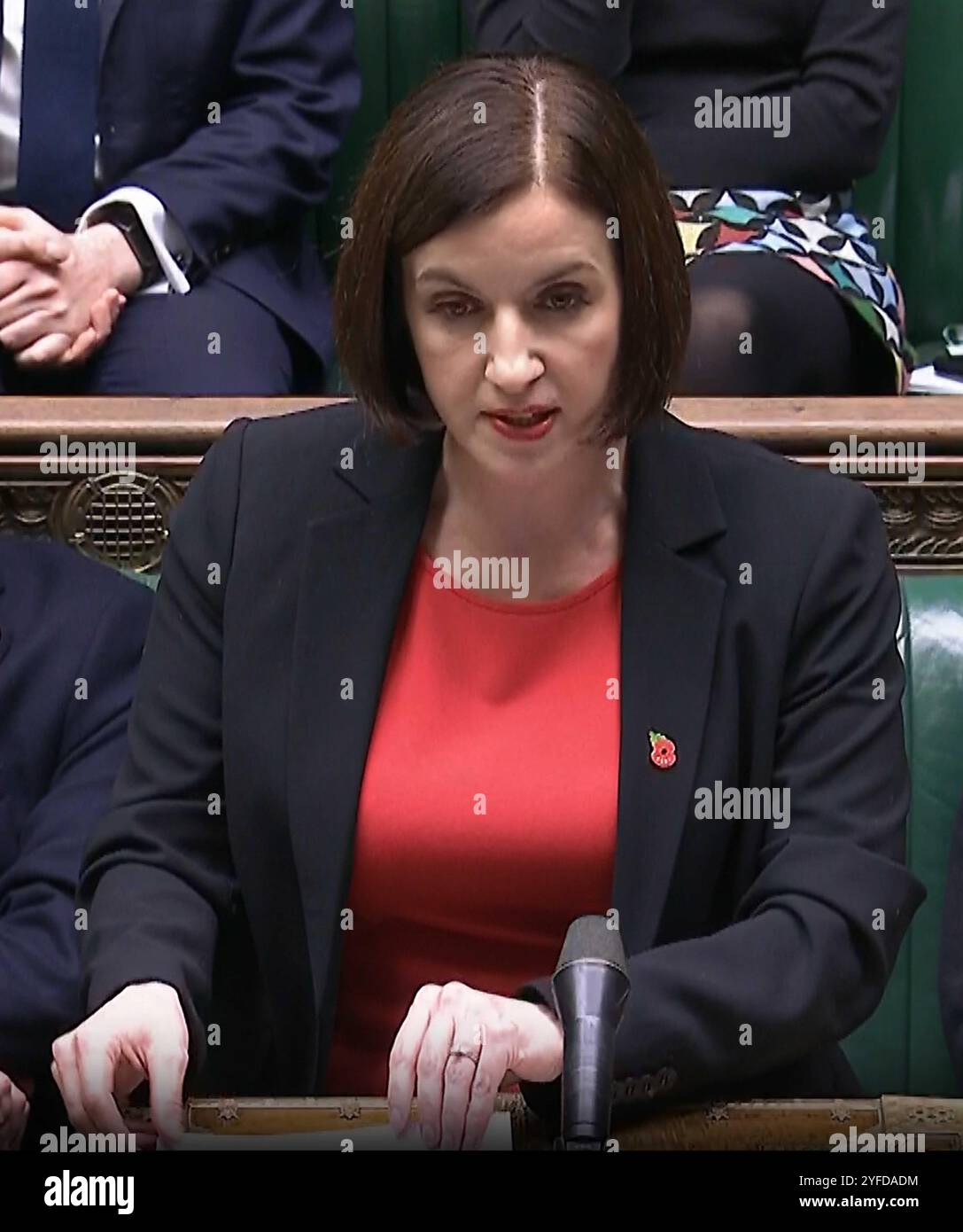
Bridget Phillipson, the shadow secretary of state for education, has emerged as a vital figure in the UK political landscape. Her role is particularly relevant as the Labour Party seeks to reshape its policies to address pressing educational challenges. With her recent initiatives, Phillipson aims to improve educational standards and support for schools, making her a prominent voice in the ongoing discussions surrounding education in the UK.
Key Policies and Initiatives
In a recent statement, Bridget Phillipson emphasised the Labour Party’s commitment to reversing funding cuts that have disproportionately affected schools. She highlighted that many schools have faced severe budget constraints, which have led to increased class sizes and diminished resources. Phillipson’s pledge to increase school funding is seen as a significant step towards ensuring every child receives a quality education, regardless of their background.
Additionally, she has called for comprehensive reforms to support teachers, proposing better pay and professional development opportunities. This approach aims to address the ongoing teacher shortages and improve retention rates within the profession. By advocating for better support systems, Phillipson is positioning the Labour Party as a champion of educators and students alike.
Recent Developments
In light of ongoing discussions around educational policy reform, Bridget Phillipson has been actively engaging with various stakeholders, including parents, teachers, and education experts. Her recent visits to schools across the country have allowed her to connect directly with those affected by current policies. These engagements not only provide her with valuable insights but also reinforce her commitment to a community-oriented approach to educational policy.
Moreover, Phillipson has been vocal in addressing the issues of educational inequality. She has proposed targeted programmes aimed at supporting disadvantaged schools, particularly in areas with higher levels of poverty. Her initiatives reflect a broader agenda to create a more equitable education system in the UK, underscoring her understanding of the challenges faced by many students.
Conclusion
Bridget Phillipson’s ascent in British politics signifies a focus on education reform at a critical time for the UK. With her proactive stance on funding,teacher support, and equality in education, she is not only reshaping the narrative within the Labour Party but also making substantial contributions to the national conversation surrounding education. As stakeholders await further developments, her policies and initiatives will undoubtedly leave a lasting impact on the educational landscape in the UK. Looking ahead, if Phillipson’s proposals find their way into implementation, they could potentially transform the future of education for generations to come.