Introduction
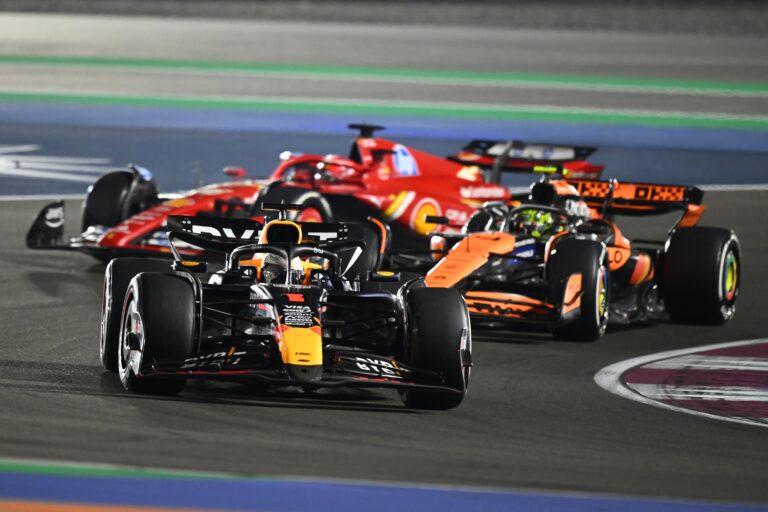
The world of Formula 1 is set for an exciting shake-up as General Motors’ Cadillac brand plans to enter the iconic racing series. With motorsport’s popularity reaching new heights and the increasing interest in electric vehicles, Cadillac’s venture into F1 marks a significant and strategic move to enhance its global brand presence while aligning with the future of racing. This development is especially timely, considering the growing emphasis on sustainable practices and innovation in the sport.
Cadillac’s F1 Ambition
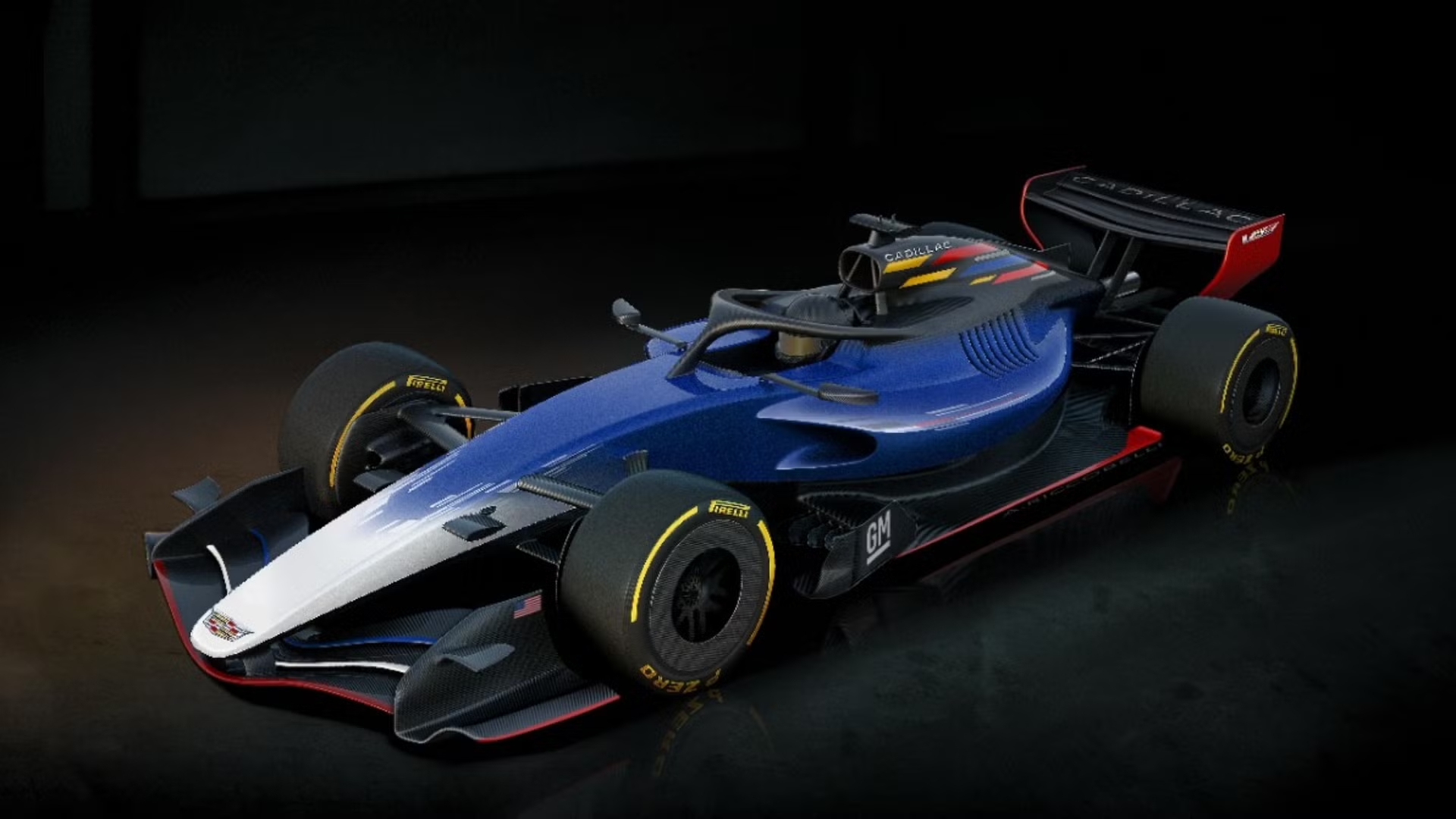
In a recent announcement, General Motors revealed that Cadillac is working with the well-established racing consortium known as Andretti Global to create a competitive Formula 1 team. This partnership aims to build a car that exhibits cutting-edge technology and performance, combining Cadillac’s rich history in automotive engineering with F1’s rigorous standards.
The initiative has received support from the F1 governing body and is expected to build upon the existing excitement surrounding American involvement in the sport. The last American team, Haas F1, entered the grid in 2016, and since then, the sport has seen a surge in North American interest. Cadillac’s arrival could further fuel this growth.
The Benefits of Expanding to F1
Entering Formula 1 provides Cadillac with numerous benefits, including increased visibility in a highly competitive environment. The sport attracts millions of global viewers and generates significant media coverage, which can help Cadillac reach younger audiences passionate about technology and innovation. As teams emphasize sustainability, Cadillac’s development of hybrid and electric engines aligns strategically with F1’s long-term goals, providing a platform to showcase advances in electric vehicle technology.
Challenges Ahead
However, the path to F1 glory is fraught with challenges. Establishing a competitive team requires substantial investment, technical expertise, and a deep understanding of the sport’s unique ecosystem. Cadillac will need to navigate complex regulations, perform exceptionally well in a fiercely competitive atmosphere, and build a robust team capable of developing high-performing vehicles.
Conclusion
As Cadillac gears up for its ambitious entry into Formula 1, the implications for the brand and motorsport enthusiasts alike are substantial. Not only could Cadillac rejuvenate its image through high-speed competition, but it could also make waves within the motorsport industry. With F1’s steady evolution towards sustainability, Cadillac’s involvement may very well redefine how automotive brands engage with fans and the future of racing. Anticipation is building among fans and industry experts as they look to see how Cadillac’s journey in F1 unfolds, making it a critical development to watch closely.