How it unfolded
In late October, a wildlife camera was installed by the police in a tree on a vacant lot adjacent to Stephanie Santos’s home in Platte City, Missouri. This camera was not merely a tool for wildlife observation; it was aimed at monitoring the backyard of Santos’s property. The camera operated daily from 7 a.m. to 7:30 p.m. for three days, capturing time-lapse images that raised significant concerns about privacy intrusion.
The installation of the camera was not an isolated incident but rather a response to previous issues involving Santos’s father, who had been reported for feeding wild cats in the area. This context adds a layer of complexity to the situation, as it suggests that the camera’s purpose was not just about wildlife but also about monitoring the Santos family due to their past interactions with local authorities.
In a surprising turn, the city officials later admitted that the camera’s presence constituted an invasion of privacy for Santos and her family. The Mayor acknowledged the breach, stating, “this action on our part leads to distrust of government at all levels and I am committed to taking steps to rebuild that trust with you and your family.” This admission underscores the delicate balance between public safety and individual privacy rights.
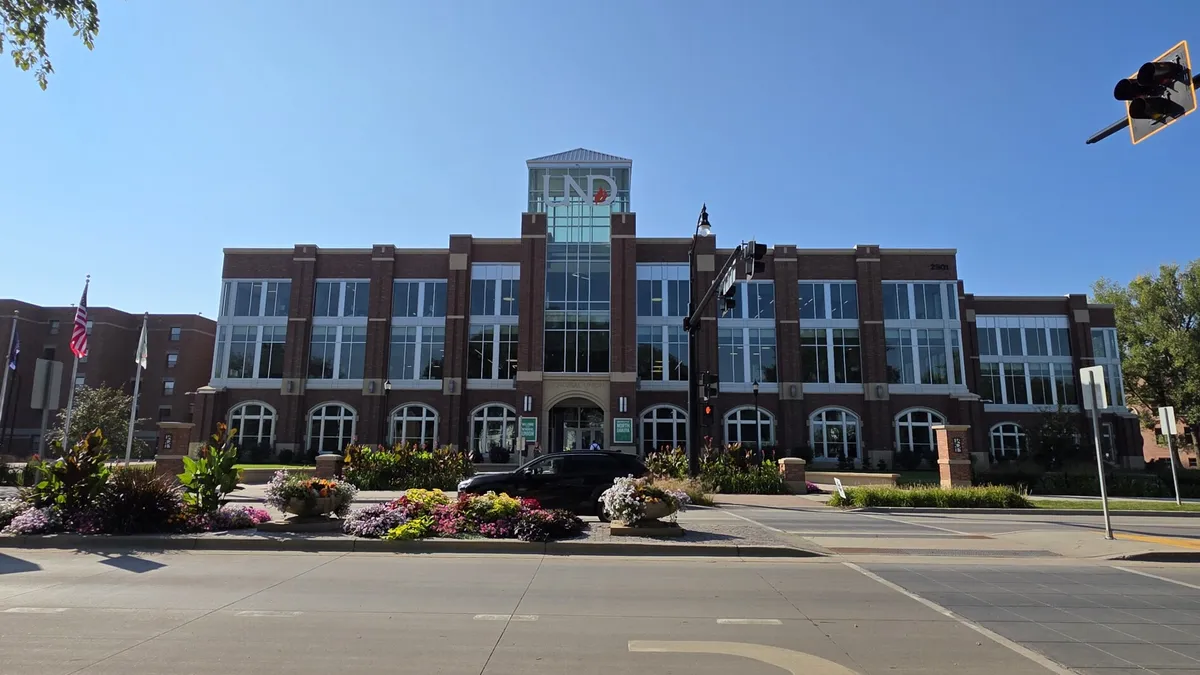
Meanwhile, at the University of North Dakota, a significant investment in surveillance technology was underway. The University Police Department implemented a new camera system costing between $1.5 to $1.8 million. This system includes both indoor and outdoor cameras strategically placed in public spaces, designed to enhance campus security and assist in investigations. Rodney Clark, a representative from the department, emphasized the importance of this technology, stating, “You still have to do the police work and ask questions, take reports, but it’s a great place to start when you have nothing.”
Clark also highlighted the advancements in camera technology, noting that the quality of the new system is “like watching TV.” This statement reflects the growing reliance on high-definition surveillance to deter crime and ensure safety in public areas. However, it raises questions about the extent of surveillance that is acceptable in a society that values personal privacy.
Adding to the ongoing discussion about surveillance, an incident occurred shortly after the installation of a CCTV camera in Walsall, where an arson attack targeted the newly installed device just four days later. This event illustrates the potential backlash against surveillance measures and the lengths to which individuals may go to resist being monitored.
The current state of affairs in Platte City serves as a microcosm of a larger national conversation about surveillance, privacy, and trust in government. As cities and institutions increasingly turn to technology for safety, the implications for personal privacy remain a critical concern. The Santos family’s experience highlights the need for transparency and accountability in how surveillance measures are implemented.
As communities grapple with these issues, the balance between security and privacy will continue to be tested. The events in Platte City and at the University of North Dakota exemplify the challenges faced by law enforcement and public institutions in navigating this complex landscape. The outcomes of these situations will likely influence future policies regarding surveillance and privacy rights across the nation.