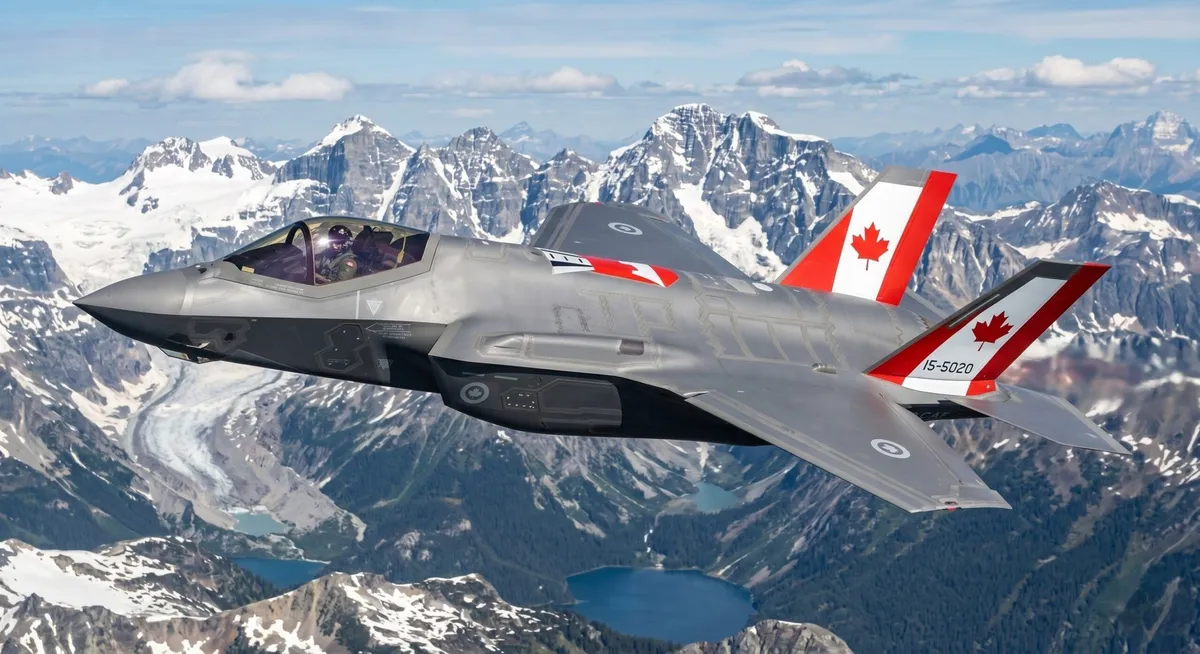
“The review of the purchase of the F-35s is continuing… We are taking the necessary time to study very, very closely the question of the fighter fleet,” said David McGuinty, highlighting the ongoing evaluation of Canada’s military aircraft needs.
This prolonged review—initiated in March 2025—has left many questioning Canada’s readiness to face escalating global threats. The Royal Canadian Air Force aims to replace its aging CF-18 fleet with 88 F-35A Lightning II jets, yet officials have not set a timeline for this crucial decision.
As Canada grapples with its defense procurement challenges, other nations have moved forward. Germany and Finland, for instance, have accelerated their F-35 procurements in response to rising tensions from adversaries like Russia and China. Meanwhile, Saab has proposed its Gripen C as a viable alternative, offering to assemble the aircraft in Canada and transfer significant intellectual property.
Key facts:
- Canada has secured funding for the first 16 F-35s and made additional payments for future jets.
- More than 110 Canadian companies are involved in the F-35 program, securing over $3 billion CAD in contracts.
- Saab promises to support 12,500 Canadian jobs with its Gripen offer.
Yet uncertainties loom. The timeline for concluding the F-35 review remains unclear, and it is uncertain how receptive Canada is to Saab’s Gripen pitch. As Maj. Gen. Chris McKenna pointedly remarked, “NORAD needs an aircraft that has overmatch over the adversaries.” This sentiment encapsulates the urgency behind these procurement decisions.
With growing global threats, Canada must navigate these procurement waters carefully. The stakes are high—not just for national security but also for industry partnerships that can shape future defense capabilities.