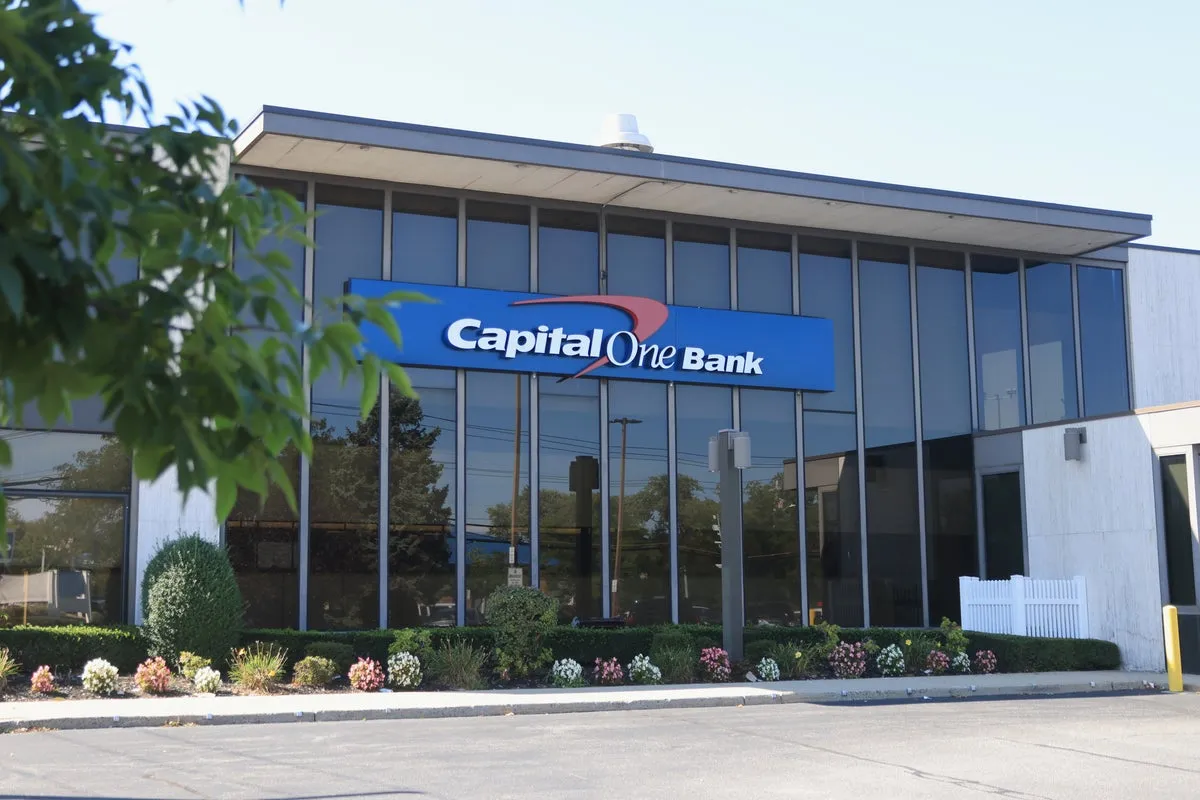
The dispute was over how Capital One handled the transition from its 360 Savings account to its 360 Performance Savings account. This lawsuit alleged that Capital One acted deceptively regarding the marketing and payment of interest on its savings account products. The introduction of the 360 Performance Savings account in 2019 brought a higher interest rate—1.9 percent compared to the 1 percent offered by the 360 Savings account. Yet, many customers remained unaware of this change.
Recently, a federal judge granted final approval of a $425 million settlement in this lawsuit. Millions of current and former Capital One customers are now eligible for payouts after the court’s decision. The initial settlement proposal was for less than $300 million but was rejected by federal prosecutors who deemed it insufficient given the circumstances.
Wolf Popper LLP, representing the plaintiffs, stated that “Capital One left all existing customers in the inferior 360 Savings account, and never informed them that 360 Performance Savings was a new, different product paying a higher interest rate.” This lack of transparency raises significant questions about consumer protection in banking practices.
Under the terms of the approved settlement, impacted customers who held a 360 Savings account between September 18, 2019, and June 16, 2025, will automatically receive payments. If their payout amounts to $5 or more, they will receive a check in the mail. However, those who opted for electronic payments saw that option close on March 30.
Additionally, Capital One must match interest rates on deposits for both savings accounts for at least two years following the settlement. This requirement aims to ensure fairness among customers who might otherwise be misled by similar product names that carry vastly different benefits.
The bank has denied any wrongdoing throughout this process. Still, it has agreed to pay $425 million to settle accusations it created two savings accounts with very similar names—360 Savings and 360 Performance Savings—that paid vastly different interest rates without making that difference clear to customers. Such actions highlight a broader issue within financial institutions: transparency is paramount.
Observers suggest that this case may set a precedent for how banks communicate changes in their products moving forward. As consumer awareness grows regarding financial products, institutions may find themselves under increasing scrutiny to maintain clarity and honesty in their marketing practices.
Details remain unconfirmed regarding how quickly payments will be processed or if further legal actions might arise from this settlement. However, one thing is clear: consumers are becoming more empowered to challenge deceptive practices within financial services.