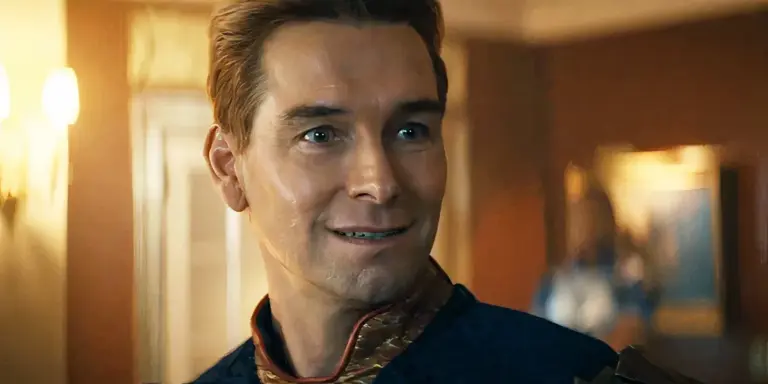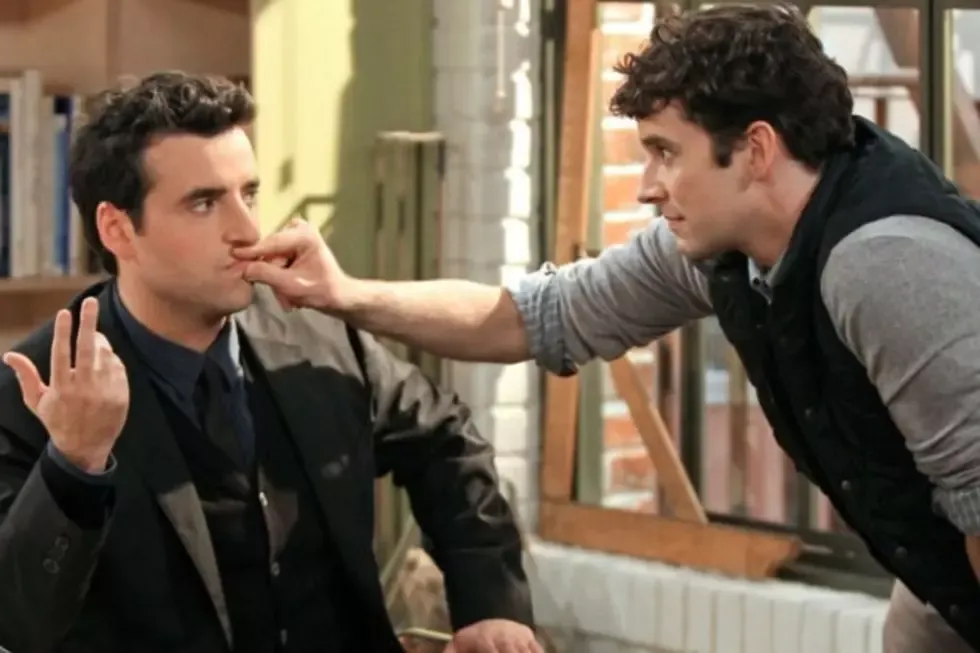
Before the recent cancellations, CBS had positioned both ‘Watson’ and ‘DMV’ as key components of its programming lineup. ‘Watson’, a medical drama centered around Dr. John Watson investigating medical mysteries, premiered on January 26, 2025, and had high hopes for longevity. Meanwhile, ‘DMV’, a single-camera workplace sitcom, debuted to a promising reception.
However, the landscape shifted dramatically when CBS announced the cancellation of both shows. ‘Watson’ will conclude after two seasons, with its series finale scheduled for May 3, 2026. In contrast, ‘DMV’ will wrap up after just one season, with its finale airing on May 11, 2026. This decision came amid a wave of cancellations across the network, suggesting a broader strategy shift.
In terms of audience reception, ‘Watson’ garnered a 53% approval rating on Rotten Tomatoes, while ‘DMV’ performed slightly better with a 65% rating. Despite these ratings, the network’s decision reflects a critical reassessment of its programming priorities, particularly in light of recent industry trends.
Actors Morris Chestnut and Rochelle Aytes expressed their disappointment over the cancellations. Chestnut remarked, “We are sad to see this great series go but it’s so worth watching!” Aytes added, “I am saddened by the news of our cancellation, but we still have a handful of entertaining episodes for you!” Their sentiments highlight the emotional toll on cast and crew when a show is abruptly cut short.
Craig Sweeny, the creator of ‘Watson’, noted that the series will conclude with a “fairly major cliffhanger that now will never be resolved.” This statement underscores the frustration often felt by creators when their narratives are left unfinished.
The timing of these cancellations is particularly telling, as they follow closely on the heels of Paramount+ axing ‘Star Trek: Starfleet Academy’. This pattern suggests that CBS is not alone in reevaluating its content strategy amidst changing viewer preferences and competitive pressures.
As the television landscape continues to evolve, these cancellations may signal a shift towards more sustainable programming choices, prioritizing shows with stronger viewer engagement and financial viability. The industry is watching closely to see how these changes will affect CBS’s future offerings.
Details remain unconfirmed regarding the specific reasons behind the cancellations, but they certainly reflect a growing trend in the industry where networks are increasingly willing to make tough decisions in the face of shifting viewer dynamics.