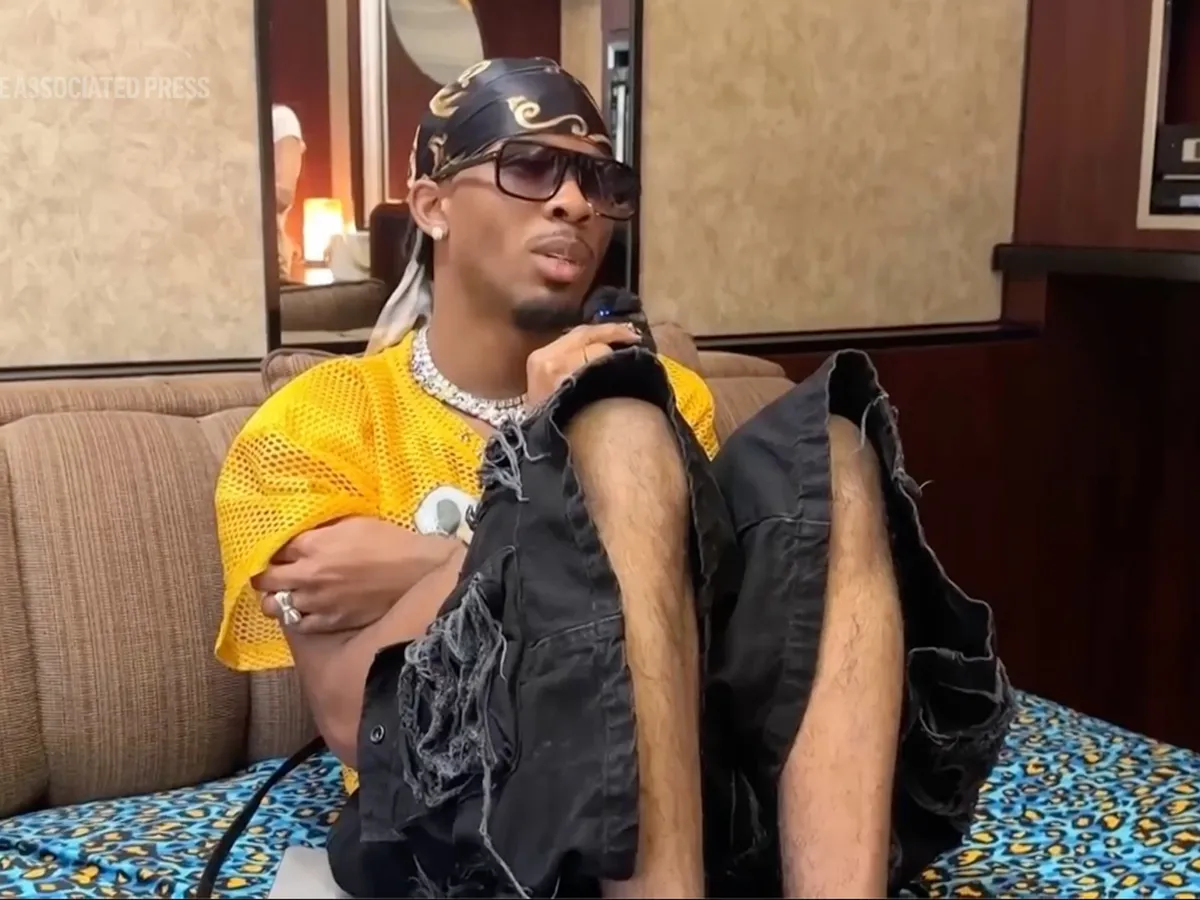
In a shocking development that has sent ripples through Hollywood, 21-year-old D4vd has pleaded not guilty to murder charges in the death of 14-year-old Celeste Rivas Hernandez. The tragic event unfolded on or around April 23, 2025, marking a grim chapter in the ongoing narrative of youth violence and exploitation.
The circumstances surrounding this case are harrowing. Celeste’s dismembered body was discovered in a Tesla on September 8, 2025 — just months after her murder. Authorities allege that D4vd killed her to protect his music career after she threatened to expose their sexual relationship. He faces serious charges including first-degree murder, lewd acts with a minor, and mutilation of a body. This isn’t just a story of crime; it’s a reflection of systemic failures.
To understand the broader implications, one must consider the timeline of events leading up to this tragedy. Reports indicate that D4vd’s alleged abuse of Celeste began on her 13th birthday, September 7, 2023. By the time of her death, she had been reported missing three times in 2024 — each instance raising alarms that were tragically ignored. D4vd had gained popularity among Gen Z for his music—a blend of indie rock, R&B, and lo-fi pop—yet behind this public persona lay a darker reality.
The release of David Burke’s debut album, “Withered,” two days before Celeste was last seen alive adds another layer to this disturbing narrative. It forces us to question how fame can overshadow accountability. The juxtaposition is stark: a rising star in the music industry against the backdrop of a young girl’s life cut tragically short.
As the legal proceedings unfold, reactions from those involved reveal deep divides. Blair Berk, representing D4vd, asserts that “the actual evidence will show David Burke did not murder Celeste Rivas Hernandez.” Meanwhile, Nathan Hochman—a lawyer representing Celeste’s family—describes the situation as “a parent’s nightmare” and emphasizes the vulnerability of children caught in such predicaments. He states plainly: “Celeste was just a child… when David Burke allegedly engaged in repeated lewd and lascivious sexual relations with her.” These contrasting perspectives highlight how narratives can be constructed differently depending on one’s position.
This case also raises questions about societal responsibilities regarding youth protection. How does a community allow such abuses to occur? And what measures are in place to prevent similar tragedies? With over 40 terabytes of evidence collected so far, it seems there is much more to uncover as investigators sift through data that could shed light on this dark chapter.
As we await further developments—official statements from law enforcement and legal teams—one thing is clear: Celeste’s story cannot be forgotten. It serves as a chilling reminder that behind every headline lies a human tragedy waiting for justice.
Details remain unconfirmed regarding additional evidence or witnesses as the case progresses. The implications extend beyond just legal ramifications; they touch upon our collective responsibility to safeguard the vulnerable and ensure that such horrors do not repeat.