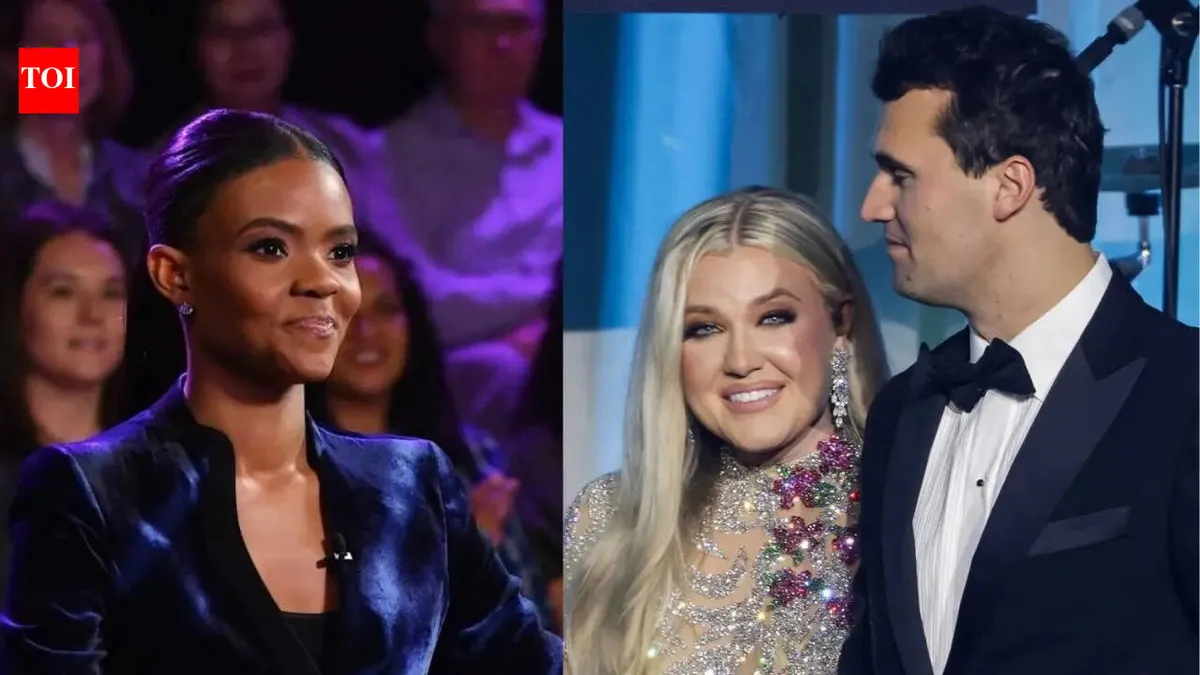
In the wake of Charlie Kirk’s tragic death during a speaking event in Utah last year, his legacy has become a focal point of political and social controversy. Just days before his assassination, fellow conservative Candace Owens made alarming claims that Erika Kirk was involved in a plot against him. These accusations have sparked further debate and scrutiny around the circumstances of his death.
As discussions about honoring Kirk’s memory began, Washington County proposed renaming a highway to ‘Charlie J. Kirk Way.’ However, plans were dropped due to estimated costs of $50,000 for signage, alongside significant public pushback, with around 250 emails and phone calls received opposing the measure.
In a related political move, Arizona Governor Katie Hobbs vetoed a bill aimed at renaming Loop 202 after Kirk, stating that such decisions should go through the Arizona State Board on Geographic and Historic Names. This decision has drawn criticism from Senate President Warren Petersen, who accused Hobbs of injecting partisanship into the renaming issue.
Hobbs had previously vetoed legislation for a specialty Arizona license plate in Kirk’s honor, further complicating the narrative surrounding his legacy. Petersen remarked, “Charlie Kirk inspired millions of Americans to engage in their communities, speak freely and exercise their First Amendment rights,” highlighting the impact Kirk had on his supporters.
The controversy surrounding Kirk’s memory continues to unfold, with political implications that resonate beyond his death. The accusations made by Owens regarding Erika Kirk’s involvement in a conspiracy remain unverified, adding another layer of uncertainty to an already complex situation.
Governor Hobbs described the assassination as a “tragic and horrifying act of violence,” underscoring the gravity of the events that transpired. As the community grapples with the loss of a prominent figure, the discussions about his legacy and the political maneuvers surrounding it reveal deep divisions within the political landscape.
As of now, the efforts to honor Charlie Kirk’s memory face significant hurdles, both financially and politically. The ongoing debates reflect broader tensions in American society, where the legacy of public figures can become contentious battlegrounds.
In summary, Charlie Kirk’s legacy is currently under siege, caught in a web of political maneuvering and unverified allegations. The future of any memorialization efforts remains uncertain as stakeholders navigate the complex landscape of public opinion and political agendas.