The Strait of Hormuz has been a point of contention due to regional tensions involving Iran and other countries. This vital waterway carries around one-fifth of the world’s oil, making it a critical artery for global energy supplies. Given its strategic importance, the international community has often sought to ensure the safety and security of navigation in this region. However, recent developments have raised alarms regarding the stability of this crucial passage.
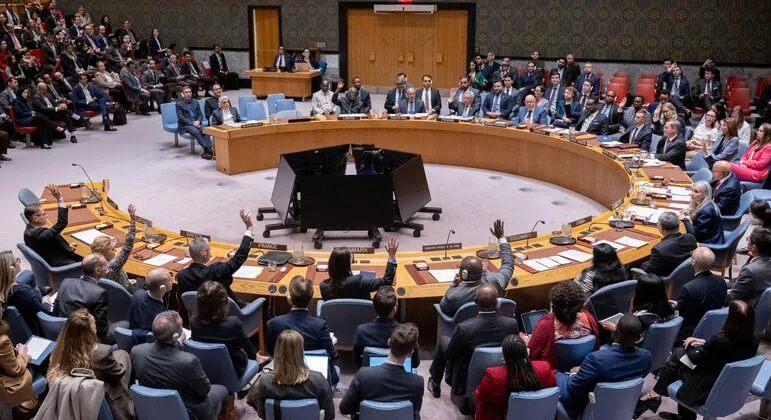
On April 11, 2026, China and Russia exercised their veto power in the UN Security Council against a resolution aimed at reopening the Strait of Hormuz. The resolution, which received 11 votes in favor and abstentions from Colombia and Pakistan, sought to encourage states to ensure safe navigation in the strait and demanded that Iran cease all attacks on shipping in the area. The veto by these two permanent members of the council signals a significant shift in the geopolitical landscape surrounding this critical maritime route.
Bahrain’s Foreign Minister, Abdullatif bin Rashid Al Zayani, expressed regret over the veto, stating, “Failing to adopt this resolution sends the wrong signal to the world.” His comments reflect a broader concern among Gulf states about the implications of the veto for regional security and the potential for increased Iranian aggression in the strait. The resolution was initially drafted in coordination with Gulf Cooperation Council member states, highlighting the regional stakes involved.
The resolution’s language was heavily watered down amid opposition from China and Russia, with the initial version even authorizing the use of force being removed. This dilution underscores the challenges faced by proponents of a more robust international response to Iran’s activities in the region. Russia’s envoy, Vasily Nebenzya, stated, “The adoption of such a one-sided resolution would undermine any prospect for the resumption of negotiations,” indicating a preference for diplomatic engagement over punitive measures.
The timing of the vote was particularly critical, occurring just hours before a deadline set by President Trump for Iran to reopen the strait. U.S. Ambassador Mike Waltz condemned the veto, asserting, “No one should tolerate that they are holding the global economy at gunpoint, but today, Russia and China did tolerate.” This statement reflects the heightened tensions between the U.S. and its adversaries in the region, as well as the broader implications for global oil markets.
As the situation unfolds, observers are left to ponder the next steps. The Iranian regime has been given until 8 p.m. Eastern Time to respond to U.S. demands, as articulated by White House press secretary Karoline Leavitt. The international community will be closely monitoring Iran’s actions in the coming hours, as any escalation could further destabilize the region and impact global oil prices.
The wider picture
The veto by China and Russia not only complicates the immediate situation in the Strait of Hormuz but also reflects deeper geopolitical rifts. As these two nations align against Western interests, the potential for increased conflict in the region looms large. The implications for global oil security are profound, as disruptions in this critical waterway could lead to significant economic repercussions worldwide. The international community must now grapple with the realities of a more fragmented diplomatic landscape, where the balance of power is shifting, and the stakes are higher than ever.