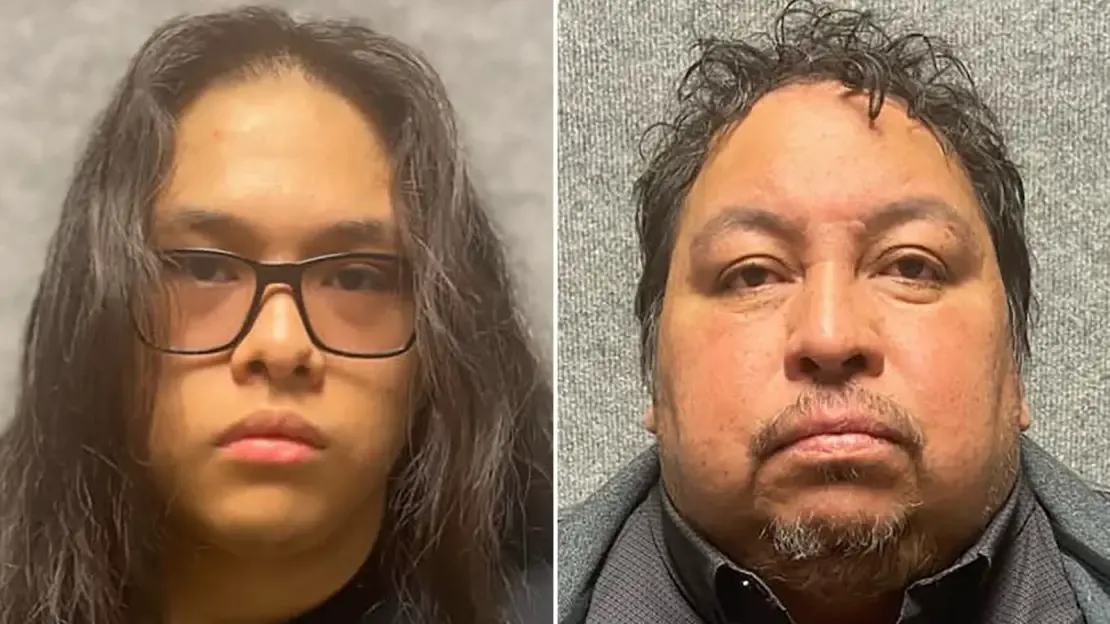
Before the recent developments in Bexar County, the case against Christopher Preciado was marked by uncertainty and speculation. Many in the community were anxious to see how the judicial process would unfold, particularly given the tragic nature of the crimes involving the deaths of Matthew Guerra and Savanah Soto, along with their unborn child. The expectation was that the trial would be lengthy, with a complex presentation of evidence and testimonies.
However, the situation took a decisive turn when the jury reached a verdict in less than two hours. This rapid conclusion surprised many observers, indicating a strong consensus among jurors regarding Preciado’s guilt. At just 21 years old at the time of the verdict, Preciado now faces a potential life sentence without the possibility of parole, a stark contrast to the life he might have led had he not committed these acts.
The murders, which occurred in December 2023, led to Preciado’s arrest shortly thereafter on January 3, 2024. The quick turnaround from arrest to conviction highlights the efficiency of the legal process in this case, but it also raises questions about the broader implications for justice in similar situations.
Experts in criminal law have noted that such swift verdicts can reflect the strength of the prosecution’s case. In this instance, the jury’s decision suggests that the evidence presented was compelling enough to warrant a quick resolution. Legal analysts argue that this could set a precedent for how capital murder cases are approached in the future, particularly in Bexar County.
The direct effects of this verdict are profound for the families involved. For the families of Guerra and Soto, the conviction may provide a sense of closure, albeit a painful one, as they grapple with the loss of their loved ones. Meanwhile, Preciado’s family faces the repercussions of his actions, which have irrevocably altered their lives as well.
As the community processes this verdict, it is essential to consider the broader societal implications. The case has sparked discussions about youth crime, mental health, and the responsibilities of young adults in society. With Preciado’s conviction, many are left to ponder what could have been done differently to prevent such a tragedy.
Details remain unconfirmed regarding any potential appeals or further legal actions that Preciado may pursue. As the dust settles on this case, the focus will likely shift to the implications of this verdict on future cases and the ongoing dialogue about crime and justice in America.