The downing of the F-15E Strike Eagle on April 3, 2026, marked a significant moment in the ongoing military operations known as Epic Fury. This incident represented the first loss of a crewed aircraft to enemy fire during these operations, underscoring the increasing risks faced by U.S. forces in the region.
The weapon systems officer (WSO), a colonel with survival and evasion training, ejected from the aircraft and managed to evade capture for nearly 48 hours. He climbed 7,000 feet up a ridge to escape the Iranian military and civilians who were hunting him after the downing.
During his time in the mountainous terrain, the WSO hid in a crevice, demonstrating remarkable resilience and resourcefulness. He eventually made radio contact, sending a message that simply stated, “God is good.” This moment of communication provided a glimmer of hope for the rescue teams mobilizing to locate him.
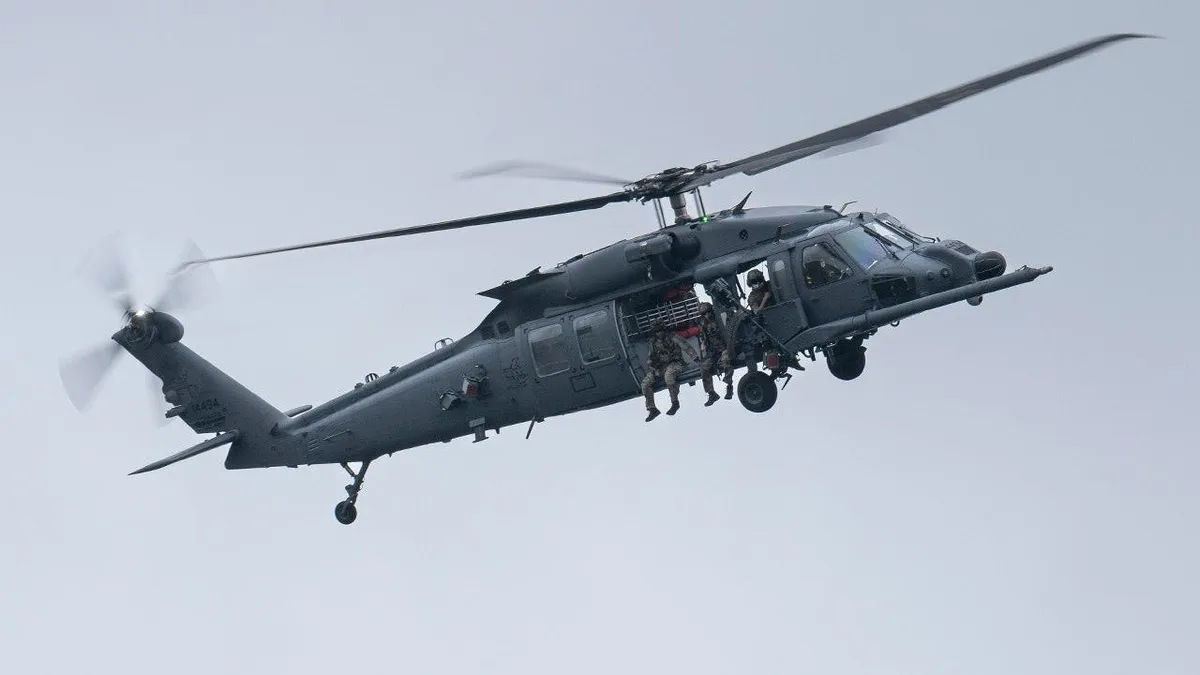
The rescue operation was extensive, involving 155 aircraft, including four bombers, 64 fighters, and 10 A-10C Thunderbolt II jets. The operation was initiated following confirmation of active rescue beacons, and the WSO was located by the CIA using advanced camera technology from 40 miles away.
Former President Donald Trump commented on the operation, stating, “They kept the camera on him for 45 minutes. He wasn’t moving,” highlighting the tense moments that preceded the successful rescue.
After approximately 50 hours since being shot down, the WSO was rescued on Easter Sunday, a timing that some have described as a medical miracle given his injuries sustained during ejection and the climb to safety.
Air Force Gen. Dan Caine praised the mission, calling it “an incredibly brave and courageous mission,” reflecting the high stakes and the dedication of the personnel involved in the rescue.
Details remain unconfirmed regarding whether the downed airman received assistance from local residents opposed to the Iranian regime. Additionally, the exact details of the WSO’s injuries and survival conditions are not fully confirmed.
This incident not only highlights the dangers faced by military personnel in hostile territories but also the complexities involved in modern rescue operations.