How it unfolded
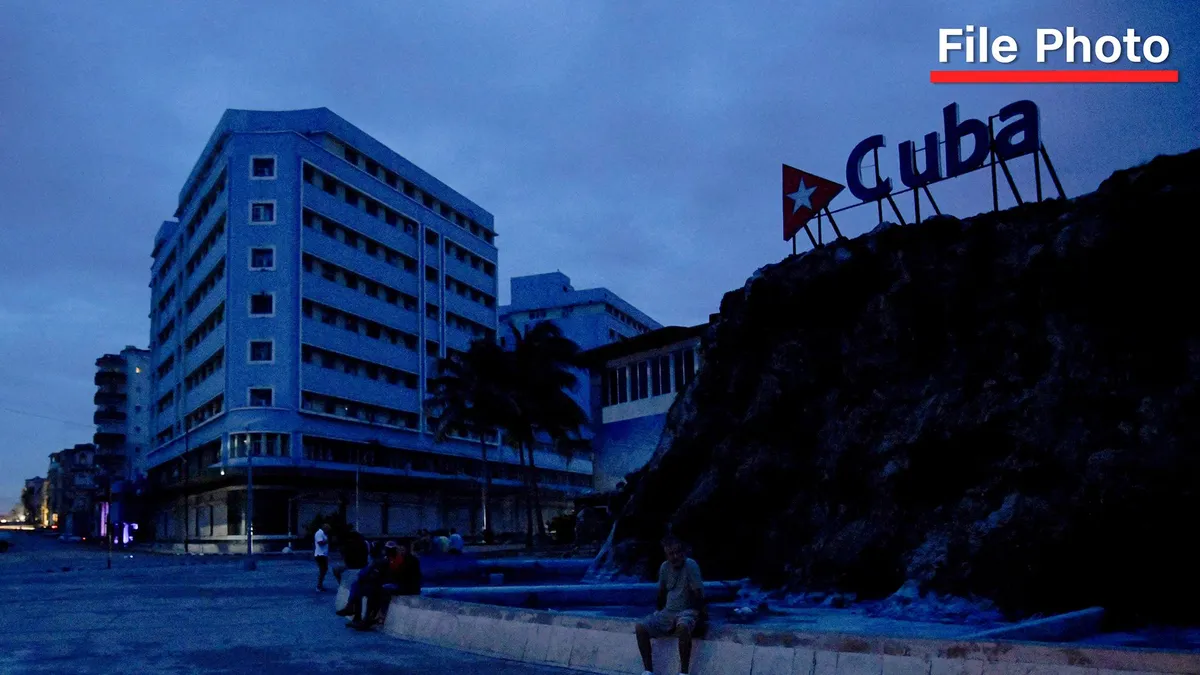
On Monday at 1:54 p.m., Cuba’s national power grid failed, plunging the entire country into darkness and leaving approximately 11 million people without electricity. This catastrophic event occurred against the backdrop of a severe fuel shortage exacerbated by a U.S. oil blockade, which has left the island nation struggling to meet its energy needs. For the past three months, Cuba has not received any oil shipments, leading to a crisis that has affected every aspect of daily life.
The blackout has had immediate and dire consequences, particularly for hospitals that are now operating without power, severely impacting patient care. As temperatures soared to 84 degrees Fahrenheit during the outage, the situation became increasingly untenable for residents. Many Cubans are accustomed to power outages lasting between two to five hours daily, but the scale of this blackout has raised alarm among citizens and officials alike.
By Tuesday morning, reports indicated that 31% of Havana’s power had been restored, but the recovery process remains slow and fraught with challenges. The Cuban government, led by President Miguel Díaz-Canel, has acknowledged the severity of the situation and is actively seeking solutions. In a recent statement, the Deputy Prime Minister indicated that the country is open to foreign investment, hinting at potential shifts in policy to address the ongoing energy crisis.
The power outage has not only sparked frustration among the populace but has also led to protests over the weekend, as citizens express their anger and desperation over the situation. Isabel Garcia, a local resident, remarked, “What Cubans are going through is very hard,” reflecting the widespread sentiment of distress. Tomás David Valáquez, another affected citizen, voiced his concerns, stating, “This is an abuse. What will happen, it will be two or three days without electricity and what little we have to eat spoils.”
In the international arena, the implications of Cuba’s power grid collapse are significant. Former U.S. President Donald Trump previously commented, “I think Cuba sees the end,” suggesting that the ongoing economic and energy struggles could lead to broader changes in the political landscape. The Cuban government is currently in talks with the Trump administration regarding economic issues, which could influence future relations and aid.
As the situation develops, the U.S. Embassy in Havana has reported that power outages are a daily occurrence, further highlighting the severity of Cuba’s energy crisis. The country is currently operating on only about 40% of the fuel it needs, raising concerns about the sustainability of essential services and the overall quality of life for its citizens.
In light of these events, the future remains uncertain for Cuba as it grapples with the immediate fallout from the power grid collapse and the long-term implications of its energy policies. The resilience of the Cuban people will be tested as they navigate these challenges, and the international community watches closely to see how the situation unfolds.